انتقل إلى معلومات المنتج
1 ل 3

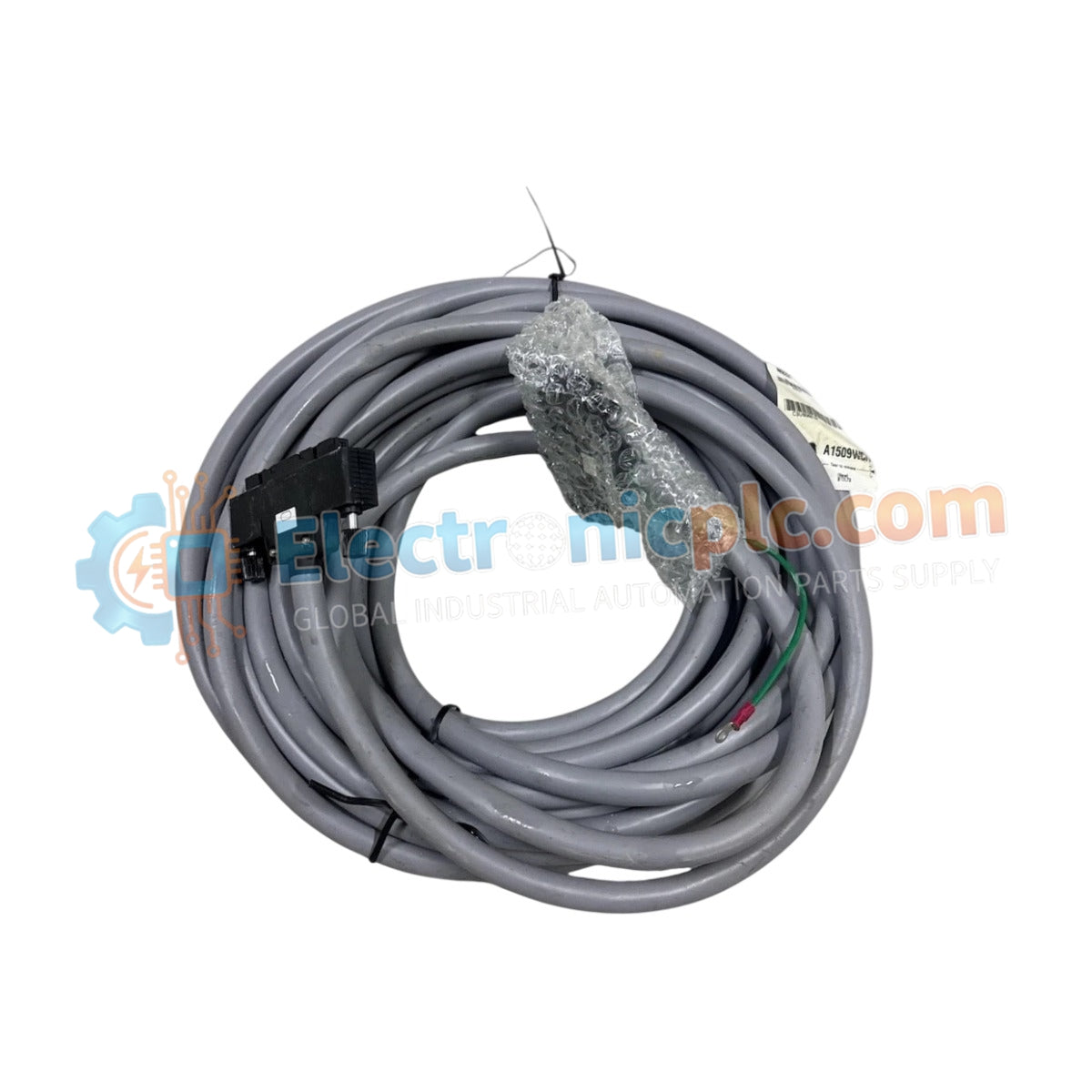
Yokogawa AKB331-M015 Signal Cable

Yokogawa AKB331-M015 Signal Cable

Configured for high-density signal transmission in DCS architectures, the Yokogawa AKB331-M015 (AKB331 Signal Cable) provides direct physical/electrical execution of data path connectivity between I/O modules and terminal blocks.

Hardware Specifications

...
16 يشاهد الناس هذا الآن

التوافرفي الأوراق المالية

رمز المنتج: AKB331-M015
بائع: Yokogawa
فئة: Signal Cable
Related Series:

الشحن والإرجاع

توصيل موثوق به في جميع أنحاء العالم

  • شركات الشحن: يتم الشحن عبر DHL أو FedEx أو UPS أو USPS .
  • الشحن: تتم معالجة الطلبات خلال يوم عمل واحد إلى يومين، ويتم شحنها خلال 3 إلى 5 أيام عمل .
  • التتبع: يتم توفير تفاصيل التتبع الكاملة عبر البريد الإلكتروني عند الشحن.

ضمان استرداد الأموال خلال 30 يومًا

  • الضمان: فترة إرجاع لمدة 30 يومًا للمنتجات المتوفرة في المخزون والمغلفة من المصنع.
  • الشروط: يجب أن تكون المنتجات غير مفتوحة وغير مستخدمة وفي عبوتها الأصلية.
  • الأصالة: نضمن أن تكون الأجهزة أصلية 100% .

هل تحتاج إلى مزيد من التفاصيل؟ اقرأ سياسة الشحن وسياسة الاسترداد الكاملة.

الأصالة والضمان

  • ضمان أصلي: نحن نوفر فقط قطع غيار أصلية 100%، جديدة تمامًا، ومغلقة من المصنع .
  • تغطية كاملة: كل مكون مدعوم بضمان شامل لمدة 12 شهرًا من تاريخ الشراء.
  • إمكانية التتبع: جميع المنتجات تأتي مع وثائق المصنع الأصلية والملحقات اللازمة للامتثال الكامل للمعايير الصناعية.

الدعم الفني والتوريد

  • مساعدة الخبراء: يقدم فريقنا الفني استشارات مجانية لمساعدتك في التحقق من التوافق مع أنظمة DCS و PLC.
  • مصادر القطع النادرة: متخصصون في المكونات القديمة والتي يصعب العثور عليها من Allen-Bradley و Siemens و ABB و HIMA وغيرها.
  • للاستفسارات المتعلقة بالكميات الكبيرة: تواصلوا معنا على pambo@5gplc.com للحصول على أسعار الكميات الكبيرة أو عروض أسعار المشاريع المخصصة.
عرض تفاصيل المنتج الكاملة

Configured for high-density signal transmission in DCS architectures, the Yokogawa AKB331-M015 (AKB331 Signal Cable) provides direct physical/electrical execution of data path connectivity between I/O modules and terminal blocks.

Hardware Specifications

Parameter Specification
Model AKB331-M015
Brand Yokogawa
Origin Japan
Weight 0.8 kg 
Dimensions 1.5 m length
Operating Temp -20 deg C to 70 deg C
Power Consumption Passive cabling assembly
Connector Type System-specific multi-pin

Signal Transmission and Impedance Characteristics

The AKB331-M015 operates as a dedicated hardware component for bridging field-side termination to internal control systems. The cable assembly is engineered to maintain signal integrity through controlled impedance and shielding, minimizing crosstalk between adjacent lines in high-density I/O configurations. As a passive interconnect, it requires no configuration; however, the shielding is critical to prevent radiated interference from affecting low-level analog signal loops. Users must ensure that the cable is routed away from high-voltage AC paths to prevent induced noise, which could degrade the measurement precision of the connected DCS I/O modules.

Frequently Asked Questions

Q: Is the AKB331-M015 shielded?

A: Yes. The cable assembly includes internal shielding designed to suppress electromagnetic interference (EMI). To be effective, the shield must be correctly terminated to the system earth ground at the terminal block or cabinet entry point.

Q: Can the cable be field-modified or shortened?

A: Modifying the cable length is not recommended. The electrical characteristics, including impedance and capacitance, are factory-tuned to the system's specifications. Shortening or splicing the cable may introduce signal attenuation or impedance mismatches that affect transmission accuracy.

Field Installation Guidelines

  1. Inspect the connectors for any bent pins or debris before attempting to mate them with the I/O module or terminal board.
  2. Maintain a minimum bend radius during installation to prevent internal conductor fatigue or degradation of the shield.
  3. Secure the cable using cable ties or trays to prevent mechanical strain on the connectors, as the weight of the cable can cause pin misalignment over time.
  4. Verify the cable orientation, as some connectors are keyed to prevent improper insertion.
  5. Perform a continuity test on each conductor if intermittent signal errors are detected after installation.