انتقل إلى معلومات المنتج
1 ل 3

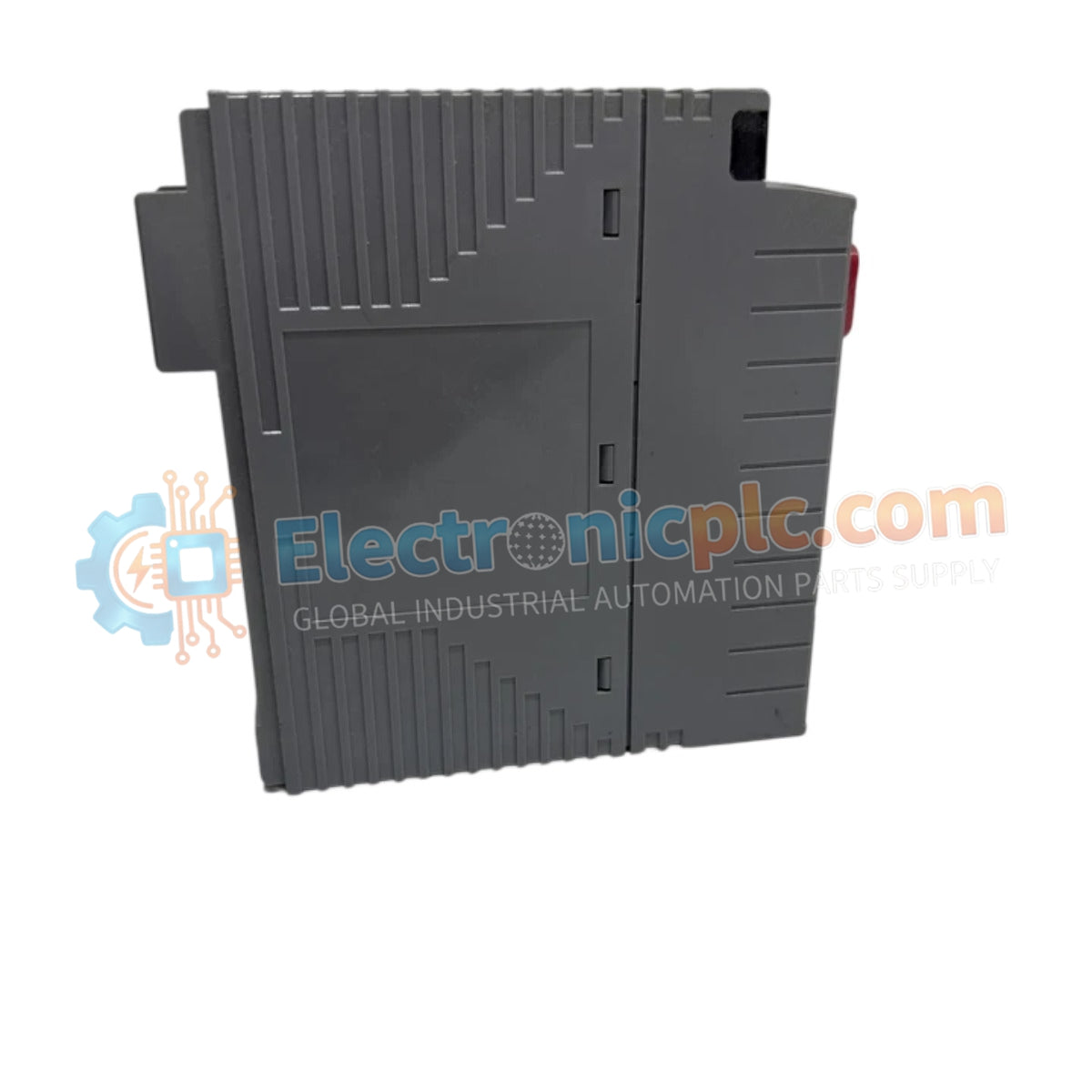
Yokogawa ALP111-S00 S1 Communication Module

Yokogawa ALP111-S00 S1 Communication Module

Configured for high-speed protocol conversion and data integration in CENTUM VP control networks, the Yokogawa ALP111-S00 S1 (ALP111-S00 S1 Communication Module) provides direct physical signal bridging between third-party industrial subsystems...

28 يشاهد الناس هذا الآن

التوافرالكمية المتبقية: 99

رمز المنتج: ALP111-S00 S1
بائع: Yokogawa
Related Series:

الشحن والإرجاع

توصيل موثوق به في جميع أنحاء العالم

  • شركات الشحن: يتم الشحن عبر DHL أو FedEx أو UPS أو USPS .
  • الشحن: تتم معالجة الطلبات خلال يوم عمل واحد إلى يومين، ويتم شحنها خلال 3 إلى 5 أيام عمل .
  • التتبع: يتم توفير تفاصيل التتبع الكاملة عبر البريد الإلكتروني عند الشحن.

ضمان استرداد الأموال خلال 30 يومًا

  • الضمان: فترة إرجاع لمدة 30 يومًا للمنتجات المتوفرة في المخزون والمغلفة من المصنع.
  • الشروط: يجب أن تكون المنتجات غير مفتوحة وغير مستخدمة وفي عبوتها الأصلية.
  • الأصالة: نضمن أن تكون الأجهزة أصلية 100% .

هل تحتاج إلى مزيد من التفاصيل؟ اقرأ سياسة الشحن وسياسة الاسترداد الكاملة.

الأصالة والضمان

  • ضمان أصلي: نحن نوفر فقط قطع غيار أصلية 100%، جديدة تمامًا، ومغلقة من المصنع .
  • تغطية كاملة: كل مكون مدعوم بضمان شامل لمدة 12 شهرًا من تاريخ الشراء.
  • إمكانية التتبع: جميع المنتجات تأتي مع وثائق المصنع الأصلية والملحقات اللازمة للامتثال الكامل للمعايير الصناعية.

الدعم الفني والتوريد

  • مساعدة الخبراء: يقدم فريقنا الفني استشارات مجانية لمساعدتك في التحقق من التوافق مع أنظمة DCS و PLC.
  • مصادر القطع النادرة: متخصصون في المكونات القديمة والتي يصعب العثور عليها من Allen-Bradley و Siemens و ABB و HIMA وغيرها.
  • للاستفسارات المتعلقة بالكميات الكبيرة: تواصلوا معنا على pambo@5gplc.com للحصول على أسعار الكميات الكبيرة أو عروض أسعار المشاريع المخصصة.
عرض تفاصيل المنتج الكاملة

Configured for high-speed protocol conversion and data integration in CENTUM VP control networks, the Yokogawa ALP111-S00 S1 (ALP111-S00 S1 Communication Module) provides direct physical signal bridging between third-party industrial subsystems and the centralized control platform.

Suffix Breakdown & Model Matrix

  • ALP111: Base communication module identifier.
  • S00: Standard hardware processing version for generic serial or fieldbus integration.
  • S1: Firmware support variant for specific communication protocol mapping within the CENTUM VP environment.

Hardware Specifications

Parameter Specification
Model ALP111-S00 S1
Brand Yokogawa
Origin Japan
Weight 0.6 kg
Dimensions 5 cm x 13 cm x 15 cm
Operating Temp -10 deg C to 60 deg C
Power Consumption Backplane powered (5 VDC)
Bus Type Field-protocol communication bus

Channel-to-Channel Isolation and Data Acquisition

The ALP111-S00 S1 module incorporates galvanic isolation to decouple external device communication circuits from the internal station bus backplane. This isolation is necessary to prevent ground-loop interference from affecting the timing-sensitive data exchange protocols managed by the module. The processor executes real-time data polling, providing a consistent update rate for non-native field devices connected to the CENTUM VP architecture.

Frequently Asked Questions

Q: Can the ALP111-S00 S1 module perform protocol translation without a dedicated engineering station configuration?

A: No, the module requires specific configuration via the engineering station to define the communication parameters, data mapping, and protocol-specific timings. Without this configuration, the module cannot establish communication with the target field device.

Q: How does the module handle communication timeout errors from connected sub-devices?

A: Upon detecting a communication timeout, the module sets a diagnostic bit in the control system database, allowing operators to identify the specific communication channel and device that has lost connection. The module maintains the last known good value or transitions to a pre-defined fail-safe state, depending on the station-level configuration.

Field Installation Guidelines

  1. Verify that the I/O rack backplane slot is free of dust or metallic debris before installing the module to prevent electrical shorting.
  2. Align the module chassis with the guide rails and press firmly to ensure the rear pins are fully seated into the backplane receptacle.
  3. Secure the module using the built-in locking screws; ensure they are tightened to the specified torque to maintain structural integrity and shield ground continuity.
  4. Route communication cables through designated low-voltage conduits, maintaining distance from power cabling to prevent electromagnetic crosstalk.
  5. Perform a communication link check after initialization to ensure that the protocol settings align with the target field device configuration.