انتقل إلى معلومات المنتج
1 ل 2

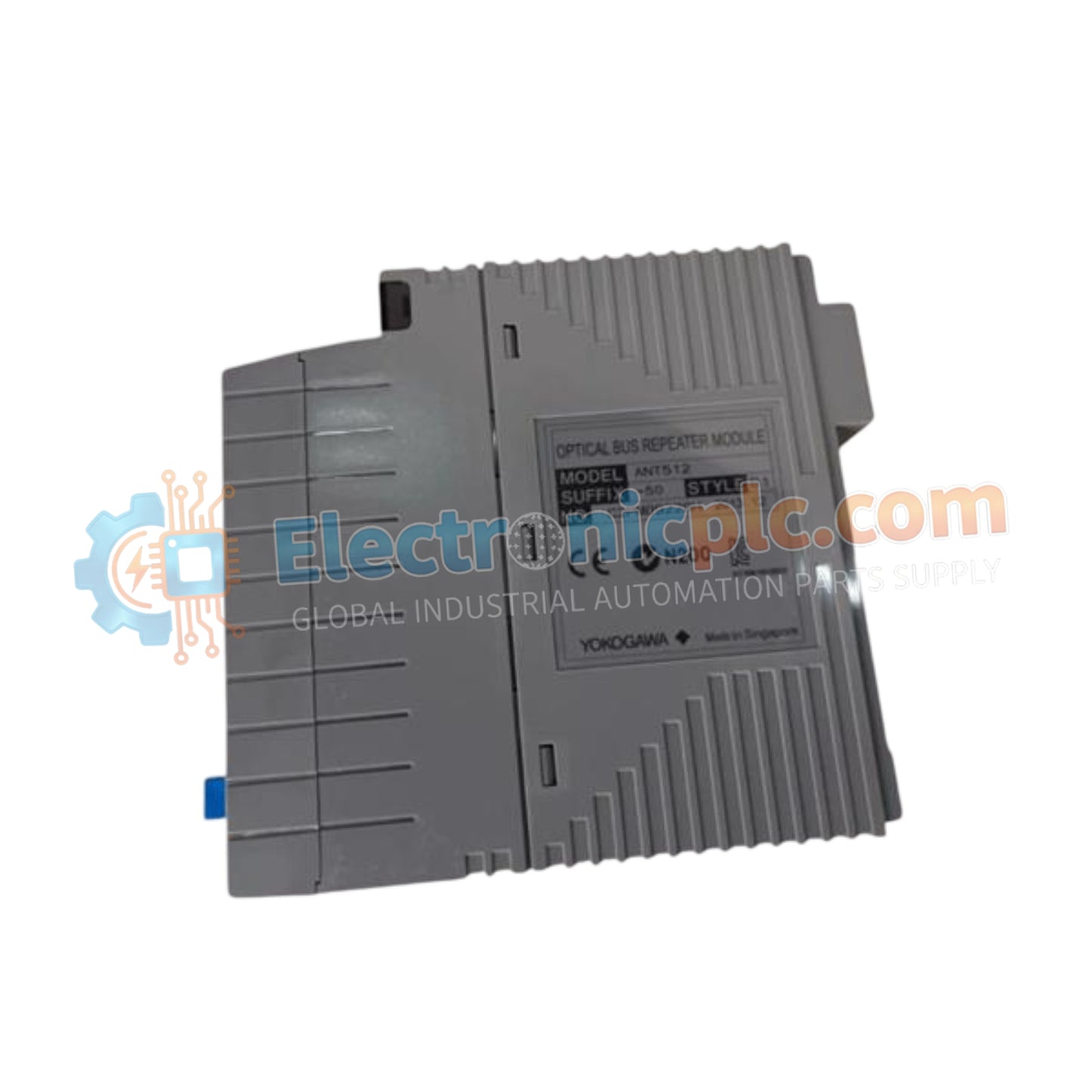
Yokogawa ANT502-50/BU1A Optical ESB Bus Repeater Slave Module

Yokogawa ANT502-50/BU1A Optical ESB Bus Repeater Slave Module

Configured for long-range network extension within CENTUM VP control architectures, the Yokogawa ANT502-50/BU1A (ANT502-50/BU1A Optical ESB Bus Repeater) provides direct physical signal conversion for extended distance I/O bus communication.

Hardware...

29 يشاهد الناس هذا الآن

التوافرفي الأوراق المالية

رمز المنتج: ANT502-50/BU1A
بائع: Yokogawa

الشحن والإرجاع

توصيل موثوق به في جميع أنحاء العالم

  • شركات الشحن: يتم الشحن عبر DHL أو FedEx أو UPS أو USPS .
  • الشحن: تتم معالجة الطلبات خلال يوم عمل واحد إلى يومين، ويتم شحنها خلال 3 إلى 5 أيام عمل .
  • التتبع: يتم توفير تفاصيل التتبع الكاملة عبر البريد الإلكتروني عند الشحن.

ضمان استرداد الأموال خلال 30 يومًا

  • الضمان: فترة إرجاع لمدة 30 يومًا للمنتجات المتوفرة في المخزون والمغلفة من المصنع.
  • الشروط: يجب أن تكون المنتجات غير مفتوحة وغير مستخدمة وفي عبوتها الأصلية.
  • الأصالة: نضمن أن تكون الأجهزة أصلية 100% .

هل تحتاج إلى مزيد من التفاصيل؟ اقرأ سياسة الشحن وسياسة الاسترداد الكاملة.

الأصالة والضمان

  • ضمان أصلي: نحن نوفر فقط قطع غيار أصلية 100%، جديدة تمامًا، ومغلقة من المصنع .
  • تغطية كاملة: كل مكون مدعوم بضمان شامل لمدة 12 شهرًا من تاريخ الشراء.
  • إمكانية التتبع: جميع المنتجات تأتي مع وثائق المصنع الأصلية والملحقات اللازمة للامتثال الكامل للمعايير الصناعية.

الدعم الفني والتوريد

  • مساعدة الخبراء: يقدم فريقنا الفني استشارات مجانية لمساعدتك في التحقق من التوافق مع أنظمة DCS و PLC.
  • مصادر القطع النادرة: متخصصون في المكونات القديمة والتي يصعب العثور عليها من Allen-Bradley و Siemens و ABB و HIMA وغيرها.
  • للاستفسارات المتعلقة بالكميات الكبيرة: تواصلوا معنا على pambo@5gplc.com للحصول على أسعار الكميات الكبيرة أو عروض أسعار المشاريع المخصصة.
عرض تفاصيل المنتج الكاملة

Configured for long-range network extension within CENTUM VP control architectures, the Yokogawa ANT502-50/BU1A (ANT502-50/BU1A Optical ESB Bus Repeater) provides direct physical signal conversion for extended distance I/O bus communication.

Hardware Specifications

Parameter Specification
Model ANT502-50/BU1A
Brand Yokogawa
Origin Japan
Weight 0.25 kg
Dimensions Standard industrial module profile
Operating Temp Standard industrial range
Current Consumption 0.5 A
Transmission Distance Up to 5 km
Max Connectable Stages 2 (chain configuration)
Max Connections 8 (chain and star configuration)

Network Connectivity and Signal Propagation

The ANT502-50/BU1A architecture is engineered to maintain deterministic communication across extended distances in CENTUM VP distributed control systems. By converting electrical bus signals into optical pulses, the module effectively bypasses the distance limitations of copper-based ESB (Extended Serial Bus) connections, supporting runs of up to 5 km. This functionality allows for the physical decentralization of I/O nodes while maintaining the high-speed, low-latency performance required for real-time process monitoring. The module supports flexible topologies, including chain and star configurations, enabling high-density I/O distribution across extensive plant facilities.

Frequently Asked Questions

Q: Does the ANT502-50/BU1A require a specific type of optical fiber for the 5 km transmission distance?

A: Yes. The module is designed to operate with standard industrial-grade optical fiber cabling suitable for long-distance communication; ensure the fiber specifications (core diameter, attenuation loss) align with the requirements for ESB bus signal transmission to guarantee data integrity.

Q: Can the repeater slave be mixed with standard copper ESB cabling in the same bus loop?

A: Yes. The optical repeater acts as a bridge. However, the total number of stages and connections must strictly adhere to the system design limits (maximum of 2 stages in chain configuration) to prevent timing violations or synchronization errors on the ESB bus.

Field Installation Guidelines

  1. Ensure all optical connectors are cleaned with approved lint-free materials before mating to the ANT502-50/BU1A to prevent signal attenuation caused by dust or contaminants.
  2. Route the fiber optic cabling through dedicated protective conduits to prevent mechanical stress, crushing, or excessive bending, which could fracture the fiber core.
  3. Verify that the current consumption remains within the 0.5 A limit to ensure the power supply modules in the local I/O rack are not overloaded during system startup.
  4. Properly seat the module into the designated slot and secure the front-face mounting screws to achieve a solid electrical ground to the cabinet chassis.
  5. After physical installation, perform an optical signal power check using an OTDR or optical power meter to confirm that the signal loss across the fiber link is within the operational tolerance before energizing the I/O bus.