انتقل إلى معلومات المنتج
1 ل 1

Yokogawa ATR8S-10 Terminal Block

Yokogawa ATR8S-10 Terminal Block

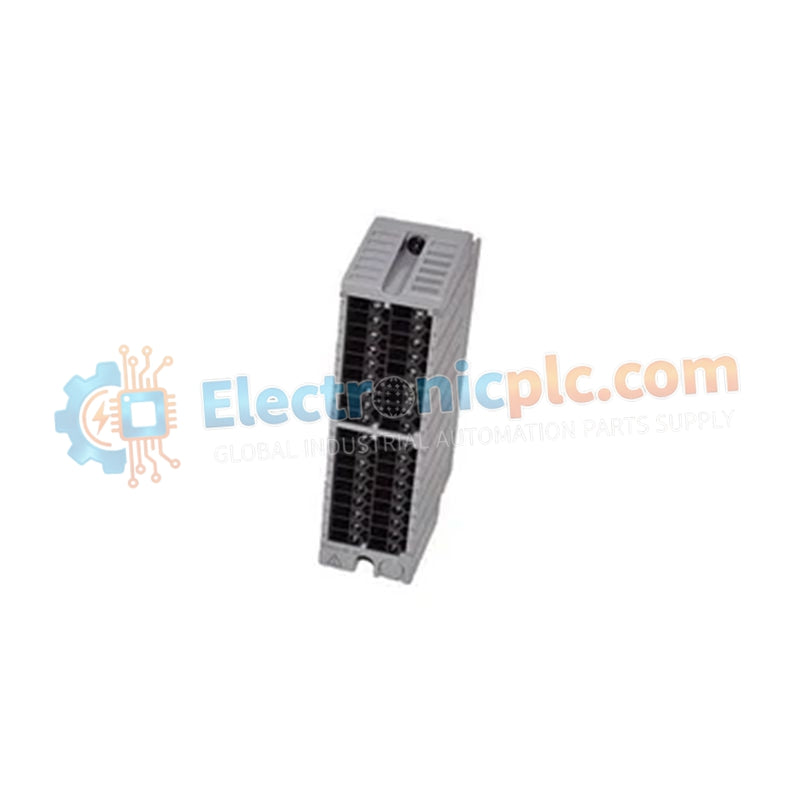
Configured for signal termination in process control platforms, the Yokogawa ATR8S-10 (ATR8S Terminal Block) provides direct physical/electrical execution of RTD signal connection and surge protection.

Hardware Specifications

...
26 يشاهد الناس هذا الآن

التوافرفي الأوراق المالية

رمز المنتج: ATR8S-10
بائع: Yokogawa
فئة: Terminal Block
Related Series:

الشحن والإرجاع

توصيل موثوق به في جميع أنحاء العالم

  • شركات الشحن: يتم الشحن عبر DHL أو FedEx أو UPS أو USPS .
  • الشحن: تتم معالجة الطلبات خلال يوم عمل واحد إلى يومين، ويتم شحنها خلال 3 إلى 5 أيام عمل .
  • التتبع: يتم توفير تفاصيل التتبع الكاملة عبر البريد الإلكتروني عند الشحن.

ضمان استرداد الأموال خلال 30 يومًا

  • الضمان: فترة إرجاع لمدة 30 يومًا للمنتجات المتوفرة في المخزون والمغلفة من المصنع.
  • الشروط: يجب أن تكون المنتجات غير مفتوحة وغير مستخدمة وفي عبوتها الأصلية.
  • الأصالة: نضمن أن تكون الأجهزة أصلية 100% .

هل تحتاج إلى مزيد من التفاصيل؟ اقرأ سياسة الشحن وسياسة الاسترداد الكاملة.

الأصالة والضمان

  • ضمان أصلي: نحن نوفر فقط قطع غيار أصلية 100%، جديدة تمامًا، ومغلقة من المصنع .
  • تغطية كاملة: كل مكون مدعوم بضمان شامل لمدة 12 شهرًا من تاريخ الشراء.
  • إمكانية التتبع: جميع المنتجات تأتي مع وثائق المصنع الأصلية والملحقات اللازمة للامتثال الكامل للمعايير الصناعية.

الدعم الفني والتوريد

  • مساعدة الخبراء: يقدم فريقنا الفني استشارات مجانية لمساعدتك في التحقق من التوافق مع أنظمة DCS و PLC.
  • مصادر القطع النادرة: متخصصون في المكونات القديمة والتي يصعب العثور عليها من Allen-Bradley و Siemens و ABB و HIMA وغيرها.
  • للاستفسارات المتعلقة بالكميات الكبيرة: تواصلوا معنا على pambo@5gplc.com للحصول على أسعار الكميات الكبيرة أو عروض أسعار المشاريع المخصصة.
عرض تفاصيل المنتج الكاملة

Configured for signal termination in process control platforms, the Yokogawa ATR8S-10 (ATR8S Terminal Block) provides direct physical/electrical execution of RTD signal connection and surge protection.

Hardware Specifications

Parameter Specification
Model ATR8S-10
Brand Yokogawa
Origin Japan
Weight 0.20 kg
Dimensions Standard panel accessory footprint
Operating Temp Standard industrial range
Power Consumption Passive device
Function Pressure clamp RTD termination with surge absorber

DCS Connectivity and Transient Protection

The ATR8S-10 functions as a dedicated hardware component for RTD input interfacing within CENTUM DCS architectures. The module incorporates integrated surge absorber circuits to mitigate transient voltage spikes that could otherwise propagate through field sensor wiring to the sensitive analog input modules. As a passive termination device, it maintains strict signal impedance characteristics required for high-accuracy RTD measurements. Users must verify the integrity of the pressure clamp connections to ensure consistent contact resistance, as deviations in terminal torque can induce measurement errors in sensitive temperature monitoring loops.

Frequently Asked Questions

Q: Does the surge absorber require periodic testing or replacement?

A: The integrated surge protection is a solid-state or component-based passive assembly. While it does not require active configuration, it should be visually inspected for thermal discoloration or physical damage following any significant lightning or power surge event in the field loop.

Q: Is the pressure clamp terminal compatible with both solid and stranded wire?

A: Yes. The pressure clamp design is engineered for standard industrial gauge wiring. Ensure the wire ends are correctly stripped and, if using stranded wire, consider the use of ferrules to prevent fraying and ensure a secure, low-resistance connection.

Field Installation Guidelines

  1. Mount the ATR8S-10 on a DIN rail or panel surface that provides a secure path to the system earth bus to ensure effective surge dissipation.
  2. Route RTD field wiring separately from high-voltage AC power lines to prevent induced noise and electromagnetic interference (EMI).
  3. Confirm that the terminal clamp is tightened to the recommended torque specifications to prevent loose connections, which can cause erratic temperature readings.
  4. Verify the signal polarity before final termination to the corresponding DCS input channel.
  5. Inspect the terminals for signs of oxidation or moisture ingress, especially in environments with high humidity, to maintain long-term signal stability.