انتقل إلى معلومات المنتج
1 ل 3

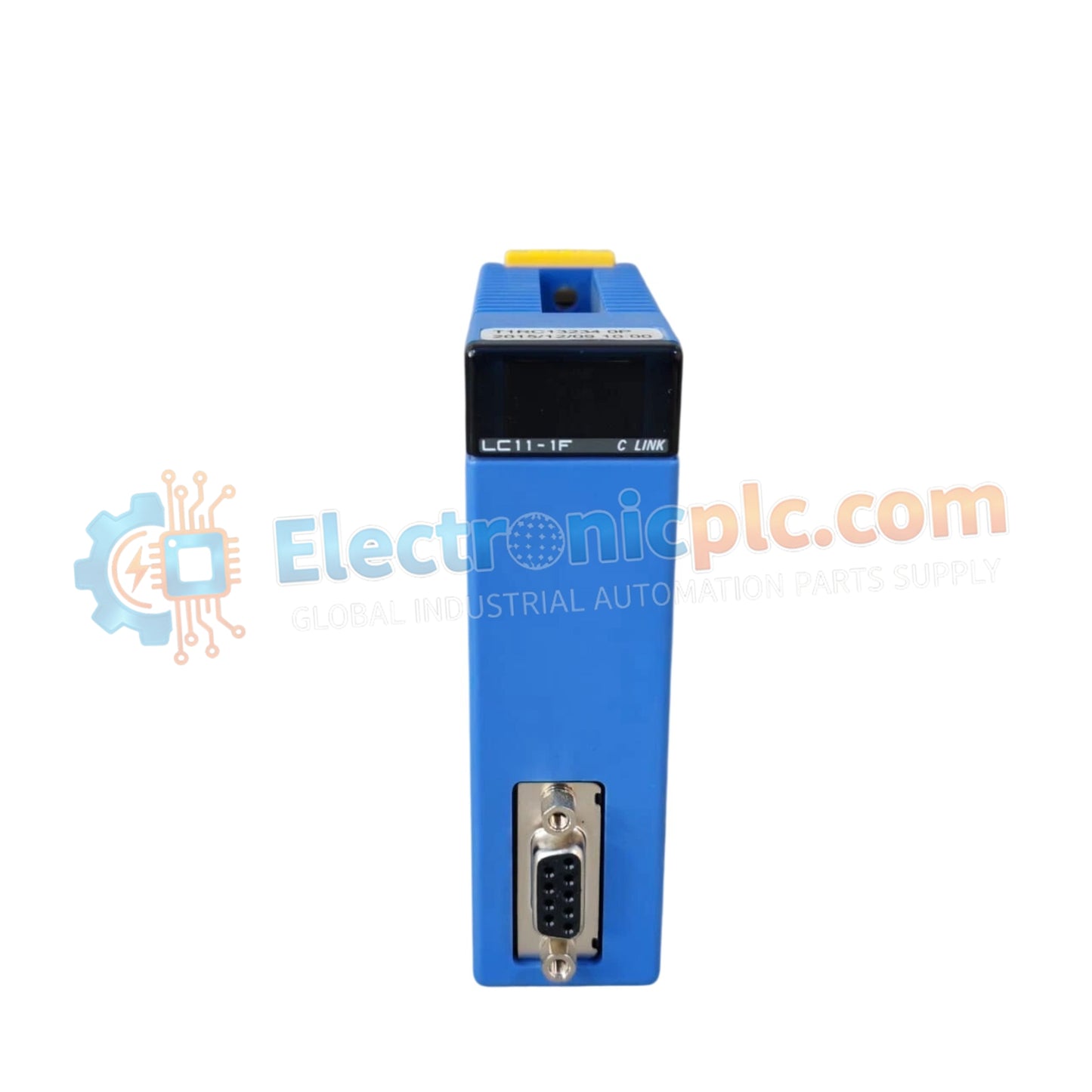
Yokogawa F3LC11-1F Personal Computer Link Module

Yokogawa F3LC11-1F Personal Computer Link Module

Configured for high-speed serial data exchange within industrial control networks, the Yokogawa F3LC11-1F (F3LC11-1F PC Link Module) provides a direct physical interface for RS-232-C communication between FA-M3 controllers and external...

16 يشاهد الناس هذا الآن

التوافرفي الأوراق المالية

رمز المنتج: F3LC11-1F
بائع: Yokogawa

الشحن والإرجاع

توصيل موثوق به في جميع أنحاء العالم

  • شركات الشحن: يتم الشحن عبر DHL أو FedEx أو UPS أو USPS .
  • الشحن: تتم معالجة الطلبات خلال يوم عمل واحد إلى يومين، ويتم شحنها خلال 3 إلى 5 أيام عمل .
  • التتبع: يتم توفير تفاصيل التتبع الكاملة عبر البريد الإلكتروني عند الشحن.

ضمان استرداد الأموال خلال 30 يومًا

  • الضمان: فترة إرجاع لمدة 30 يومًا للمنتجات المتوفرة في المخزون والمغلفة من المصنع.
  • الشروط: يجب أن تكون المنتجات غير مفتوحة وغير مستخدمة وفي عبوتها الأصلية.
  • الأصالة: نضمن أن تكون الأجهزة أصلية 100% .

هل تحتاج إلى مزيد من التفاصيل؟ اقرأ سياسة الشحن وسياسة الاسترداد الكاملة.

الأصالة والضمان

  • ضمان أصلي: نحن نوفر فقط قطع غيار أصلية 100%، جديدة تمامًا، ومغلقة من المصنع .
  • تغطية كاملة: كل مكون مدعوم بضمان شامل لمدة 12 شهرًا من تاريخ الشراء.
  • إمكانية التتبع: جميع المنتجات تأتي مع وثائق المصنع الأصلية والملحقات اللازمة للامتثال الكامل للمعايير الصناعية.

الدعم الفني والتوريد

  • مساعدة الخبراء: يقدم فريقنا الفني استشارات مجانية لمساعدتك في التحقق من التوافق مع أنظمة DCS و PLC.
  • مصادر القطع النادرة: متخصصون في المكونات القديمة والتي يصعب العثور عليها من Allen-Bradley و Siemens و ABB و HIMA وغيرها.
  • للاستفسارات المتعلقة بالكميات الكبيرة: تواصلوا معنا على pambo@5gplc.com للحصول على أسعار الكميات الكبيرة أو عروض أسعار المشاريع المخصصة.
عرض تفاصيل المنتج الكاملة

Configured for high-speed serial data exchange within industrial control networks, the Yokogawa F3LC11-1F (F3LC11-1F PC Link Module) provides a direct physical interface for RS-232-C communication between FA-M3 controllers and external supervisory systems.

Hardware Specifications

Parameter Specification
Model F3LC11-1F
Brand Yokogawa
Origin Japan
Weight 0.36 kg
Dimensions 2.89 cm x 10 cm x 8.32 cm
Operating Temp Standard industrial range
Current Consumption 320 mA (5 V DC)
Interface RS-232-C (D-sub 9-pin female)
Transmission Mode Half-duplex
Speed Range 300 bps to 115.2 kbps

Serial Communication and Protocol Integration

The F3LC11-1F architecture facilitates deterministic serial communication via start-stop synchronization, ensuring efficient data transmission for supervisory control and data acquisition (SCADA) applications. The module supports a comprehensive range of baud rates up to 115.2 kbps, allowing for flexible integration with legacy serial devices and modern computer interfaces. Robust data integrity is maintained through integrated parity and sum-check error detection mechanisms. Given the 15-meter distance limitation inherent to the RS-232-C standard, this module is optimized for intra-cabinet or local-room device connectivity, providing a reliable bridge for process variable monitoring and controller parameter adjustments.

Frequently Asked Questions

Q: Since the module is not isolated, what precautions should be taken during installation?

A: Because the F3LC11-1F port lacks internal isolation, it is critical to ensure that both the FA-M3 controller and the connected computer are tied to the same common grounding potential. Using a common earth point prevents ground loops that can induce electrical noise or damage the RS-232-C driver circuitry.

Q: Can the F3LC11-1F be used to communicate with devices requiring full-duplex operation?

A: No. The F3LC11-1F is designed exclusively for half-duplex communication. Any attempt to use this module in a full-duplex environment will result in data collisions and communication failures.

Field Installation Guidelines

  1. Inspect the D-sub 9-pin connector for bent pins or debris; ensure the M2.6 mounting screws are securely fastened after mating the cable to prevent mechanical vibration from loosening the connection.
  2. Route the RS-232-C cable through dedicated electrical conduits or cable trays, ensuring physical separation from high-voltage power lines and high-current AC cabling to mitigate electromagnetic interference.
  3. Configure the data format (bits, parity, stop bits) within the PLC ladder program or system configuration software to match the target device settings exactly before initializing the serial link.
  4. Verify the signal reference by measuring the common potential between the module chassis and the external device chassis prior to connecting the serial cable.
  5. Utilize standard diagnostic tools or a serial terminal emulator to confirm successful handshake and data transmission before integrating the module into the primary process control loop.