انتقل إلى معلومات المنتج
1 ل 3

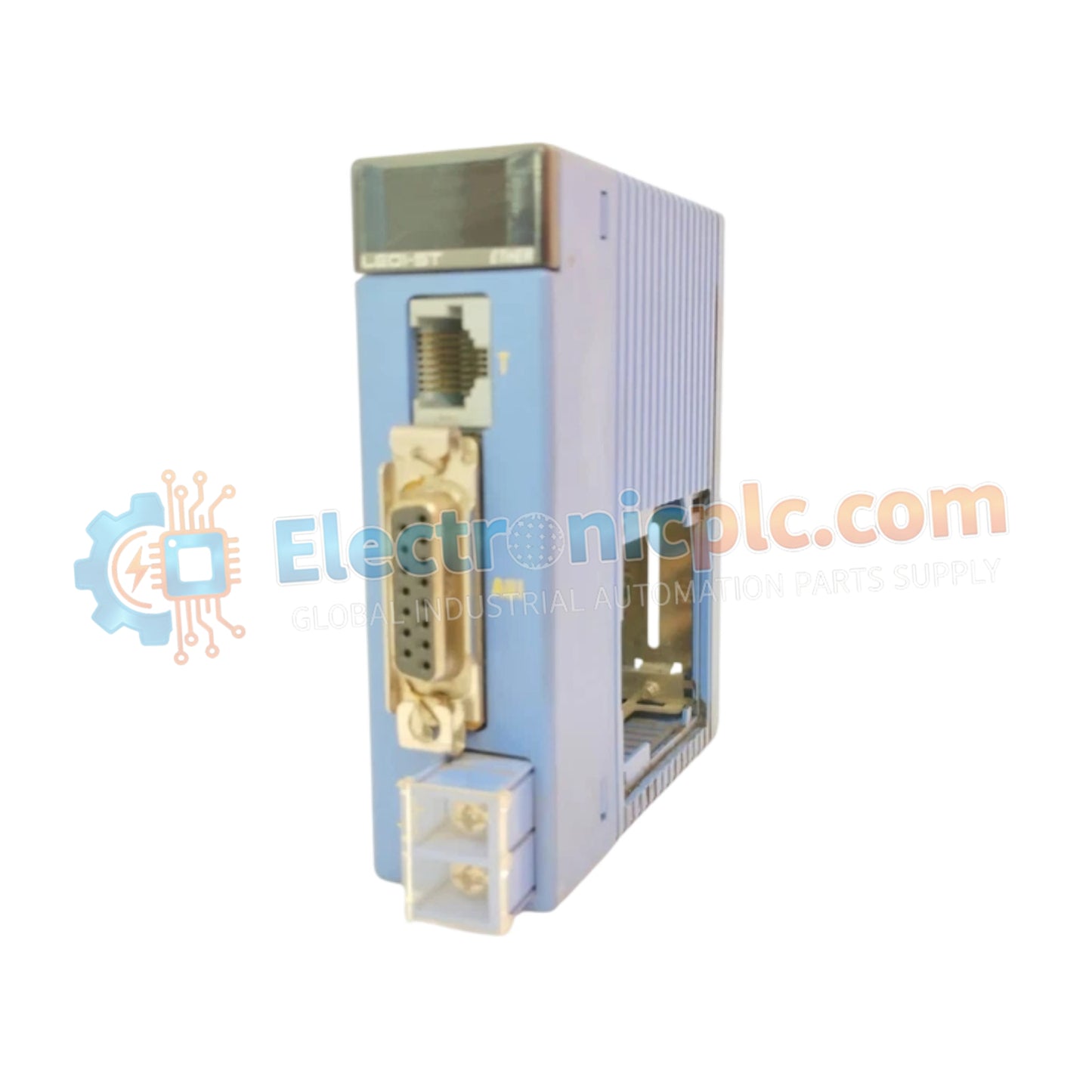
YOKOGAWA F3LE01-5T Ethernet Interface Module

YOKOGAWA F3LE01-5T Ethernet Interface Module

Configured for high-speed data exchange in FA-M3 controllers, the YOKOGAWA F3LE01-5T (F3LE01-5T Ethernet Interface Module) provides direct physical/electrical execution. This module establishes deterministic network connectivity, enabling master/slave communication protocols across...

23 يشاهد الناس هذا الآن

التوافرفي الأوراق المالية

رمز المنتج: F3LE01-5T
بائع: Yokogawa

الشحن والإرجاع

توصيل موثوق به في جميع أنحاء العالم

  • شركات الشحن: يتم الشحن عبر DHL أو FedEx أو UPS أو USPS .
  • الشحن: تتم معالجة الطلبات خلال يوم عمل واحد إلى يومين، ويتم شحنها خلال 3 إلى 5 أيام عمل .
  • التتبع: يتم توفير تفاصيل التتبع الكاملة عبر البريد الإلكتروني عند الشحن.

ضمان استرداد الأموال خلال 30 يومًا

  • الضمان: فترة إرجاع لمدة 30 يومًا للمنتجات المتوفرة في المخزون والمغلفة من المصنع.
  • الشروط: يجب أن تكون المنتجات غير مفتوحة وغير مستخدمة وفي عبوتها الأصلية.
  • الأصالة: نضمن أن تكون الأجهزة أصلية 100% .

هل تحتاج إلى مزيد من التفاصيل؟ اقرأ سياسة الشحن وسياسة الاسترداد الكاملة.

الأصالة والضمان

  • ضمان أصلي: نحن نوفر فقط قطع غيار أصلية 100%، جديدة تمامًا، ومغلقة من المصنع .
  • تغطية كاملة: كل مكون مدعوم بضمان شامل لمدة 12 شهرًا من تاريخ الشراء.
  • إمكانية التتبع: جميع المنتجات تأتي مع وثائق المصنع الأصلية والملحقات اللازمة للامتثال الكامل للمعايير الصناعية.

الدعم الفني والتوريد

  • مساعدة الخبراء: يقدم فريقنا الفني استشارات مجانية لمساعدتك في التحقق من التوافق مع أنظمة DCS و PLC.
  • مصادر القطع النادرة: متخصصون في المكونات القديمة والتي يصعب العثور عليها من Allen-Bradley و Siemens و ABB و HIMA وغيرها.
  • للاستفسارات المتعلقة بالكميات الكبيرة: تواصلوا معنا على pambo@5gplc.com للحصول على أسعار الكميات الكبيرة أو عروض أسعار المشاريع المخصصة.
عرض تفاصيل المنتج الكاملة

Configured for high-speed data exchange in FA-M3 controllers, the YOKOGAWA F3LE01-5T (F3LE01-5T Ethernet Interface Module) provides direct physical/electrical execution. This module establishes deterministic network connectivity, enabling master/slave communication protocols across the backplane bus to facilitate real-time data monitoring and control logic distribution within the FA-M3 system environment.

Hardware Specifications

Parameter Specification
Model F3LE01-5T
Brand YOKOGAWA
Origin JAPAN
Weight 0.25 kg
Dimensions 2.8 cm x 10.0 cm x 13.0 cm
Operating Temp 0 to 55 deg C
Power Consumption 0.8 A (at 5 VDC)
Interface Speed 10/100 Mbps (Auto-negotiation)
Communication Port RJ-45

Deterministic Network Connectivity and Communication Protocols

The F3LE01-5T module handles Ethernet frame processing to minimize network latency within the control network. It supports standardized communication protocols for inter-processor data exchange, ensuring that the backplane bus communication velocity remains consistent with the scan cycles of the CPU module. The interface utilizes internal buffering to manage burst traffic, preventing data packet collision and maintaining timing synchronization for mission-critical industrial automation applications.

Frequently Asked Questions

Q: Does this module support redundant network configurations for link failover?

A: The F3LE01-5T supports standard Ethernet topology; however, redundancy implementation relies on the specific CPU configuration and the network switch management settings, rather than the module itself.

Q: Is the firmware on this module field-upgradable?

A: Yes, the firmware can be updated via the programming port or through the backplane using the appropriate engineering software suite to maintain compatibility with updated system modules.

Field Installation Guidelines

  • Verify that the FA-M3 base unit is powered down before inserting the F3LE01-5T into the designated slot to prevent electrical arcing or backplane damage.
  • Ensure the module is fully seated and the locking lever is engaged to maintain constant electrical contact with the backplane pins.
  • Use shielded category 5e or 6 Ethernet cables to minimize electromagnetic interference in high-noise industrial environments.
  • Maintain the recommended spacing between communication lines and high-voltage power cables to prevent signal degradation and cross-talk.
  • Terminate all unused ports properly and verify the status indicators (Link/Act) upon system startup to confirm established communication with the network switch.