
سلة التسوق الخاصة بي
0 عنصرًا
قطع غيار أصلية للأتمتة | توصيل سريع عالمي | ضمان لمدة 12 شهرًا — [احصل على عرض سعر]

تم تكوينه للتحكم المنفصل في منصات PLC من طراز FA-M3، توفر YOKOGAWA F3YC16-0N (وحدة إخراج التتابع F3YC16-0N) تنفيذًا ماديًا وكهربائيًا مباشرًا للتبديل القائم على التتابع للأحمال الجانبية الميدانية.
التوافر: في الأوراق المالية
توصيل موثوق به في جميع أنحاء العالم
ضمان استرداد الأموال خلال 30 يومًا
هل تحتاج إلى مزيد من التفاصيل؟ اقرأ سياسة الشحن وسياسة الاسترداد الكاملة.


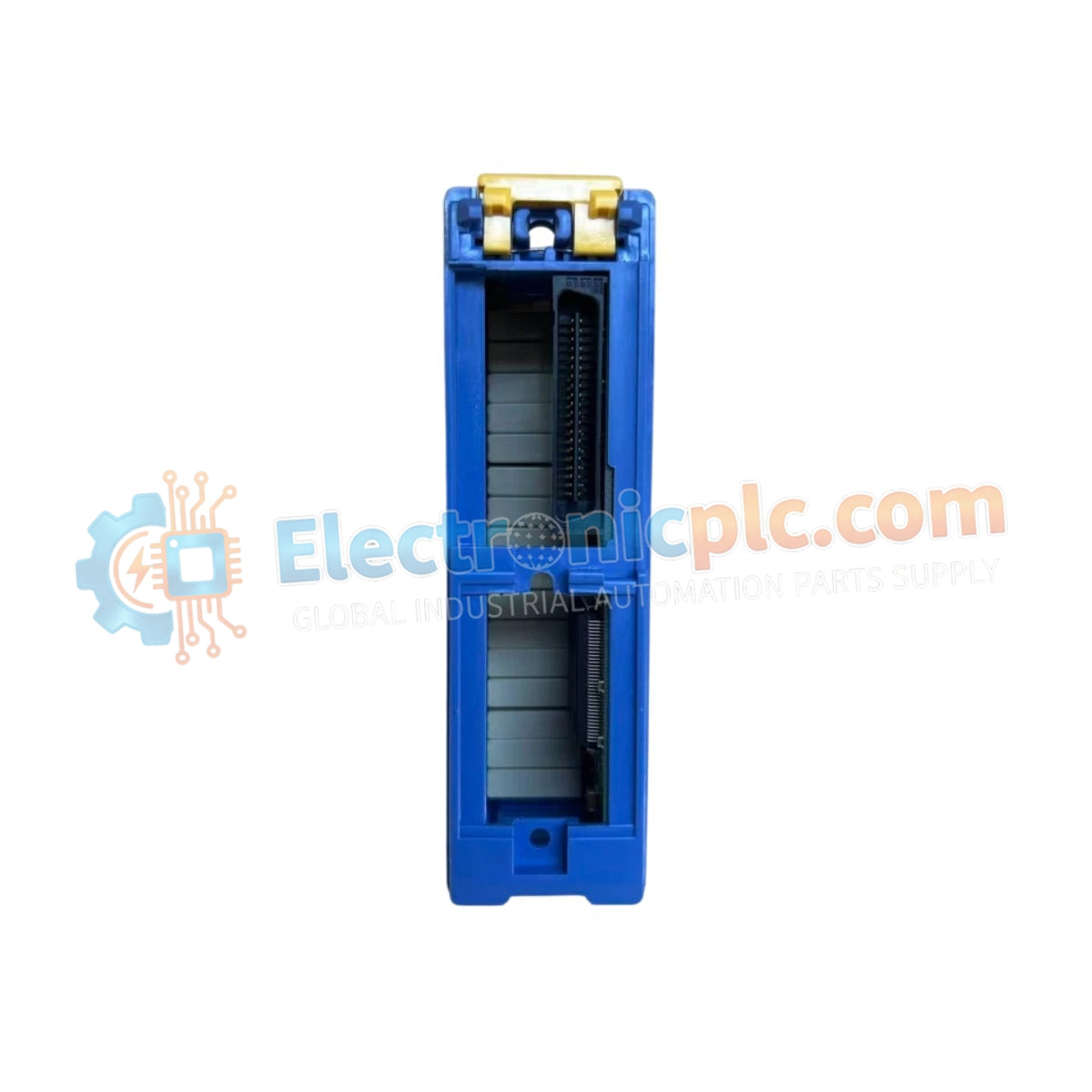
تم تكوينه للتحكم المنفصل في منصات PLC من طراز FA-M3، توفر YOKOGAWA F3YC16-0N (وحدة إخراج التتابع F3YC16-0N) تنفيذًا ماديًا وكهربائيًا مباشرًا للتبديل القائم على التتابع للأحمال الجانبية الميدانية.
| المعلمة | المواصفات |
|---|---|
| الموديل | F3YC16-0N |
| العلامة التجارية | YOKOGAWA |
| المنشأ | اليابان |
| الوزن | 0.3 كجم |
| الأبعاد | عامل شكل وحدة FA-M3 القياسي |
| درجة حرارة التشغيل | غير محدد |
| استهلاك الطاقة | غير محدد |
| نقاط الإخراج | 16 قناة |
| نوع الإخراج | تلامس التتابع |
| النقاط لكل مشترك | 8 نقاط لكل مشترك |
| جهد الحمل المقدر | 5-24 VDC / 100-240 VAC |
| الحد الأقصى لتيار الحمل | 2 أمبير لكل نقطة (8 أمبير لكل مشترك) |
| طريقة العزل | عزل ميكانيكي |
تسهل وحدة F3YC16-0N إرسال الإشارات الإخراجية الحتمية ضمن بنية FA-M3. تستخدم عزل تلامس التتابع الميكانيكي لتوفير توافق عالي الجهد وفصل قوي بين منطق التحكم والأجهزة الميدانية عالية الطاقة. يضمن هذا التصميم المعياري حماية اللوحة الخلفية الداخلية من عابرات الجهد العالي الشائعة في تطبيقات التحكم في المحركات والمشغلات.
س: هل يمكن استخدام تلامسات التتابع لمهام التبديل عالية التردد؟
ج: لا، تلامسات التتابع الميكانيكية محدودة بالقصور الذاتي المادي للمفتاح الداخلي. للتطبيقات التي تتطلب تبديلًا عالي التردد، يوصى باستخدام وحدات الإخراج ذات الحالة الصلبة لتجنب التآكل المبكر للتلامس.
س: كيف يتم تنظيم التكوين المشترك في هذه الوحدة؟
ج: تنقسم الوحدة إلى مجموعتين من 8 نقاط، تشترك كل منهما في طرف مشترك. تأكد من أن تيار الحمل الكلي لكل مشترك لا يتجاوز 8 أمبير لمنع ارتفاع درجة حرارة مسار الناقل الداخلي.


