
سلة التسوق الخاصة بي
0 عنصرًا
قطع غيار أصلية للأتمتة | توصيل سريع عالمي | ضمان لمدة 12 شهرًا — [احصل على عرض سعر]

تم تكوين وحدة تحديد المواقع Yokogawa F3YP12-0V (F3YP12-0V) للتحكم في الحركة بدقة عالية وتنظيم المشغلات في منصات الأتمتة الصناعية، وتوفر الوحدة تنفيذًا ماديًا وكهربائيًا مباشرًا للتحكم في تحديد المواقع ذي...
التوافر: في الأوراق المالية
توصيل موثوق به في جميع أنحاء العالم
ضمان استرداد الأموال خلال 30 يومًا
هل تحتاج إلى مزيد من التفاصيل؟ اقرأ سياسة الشحن وسياسة الاسترداد الكاملة.


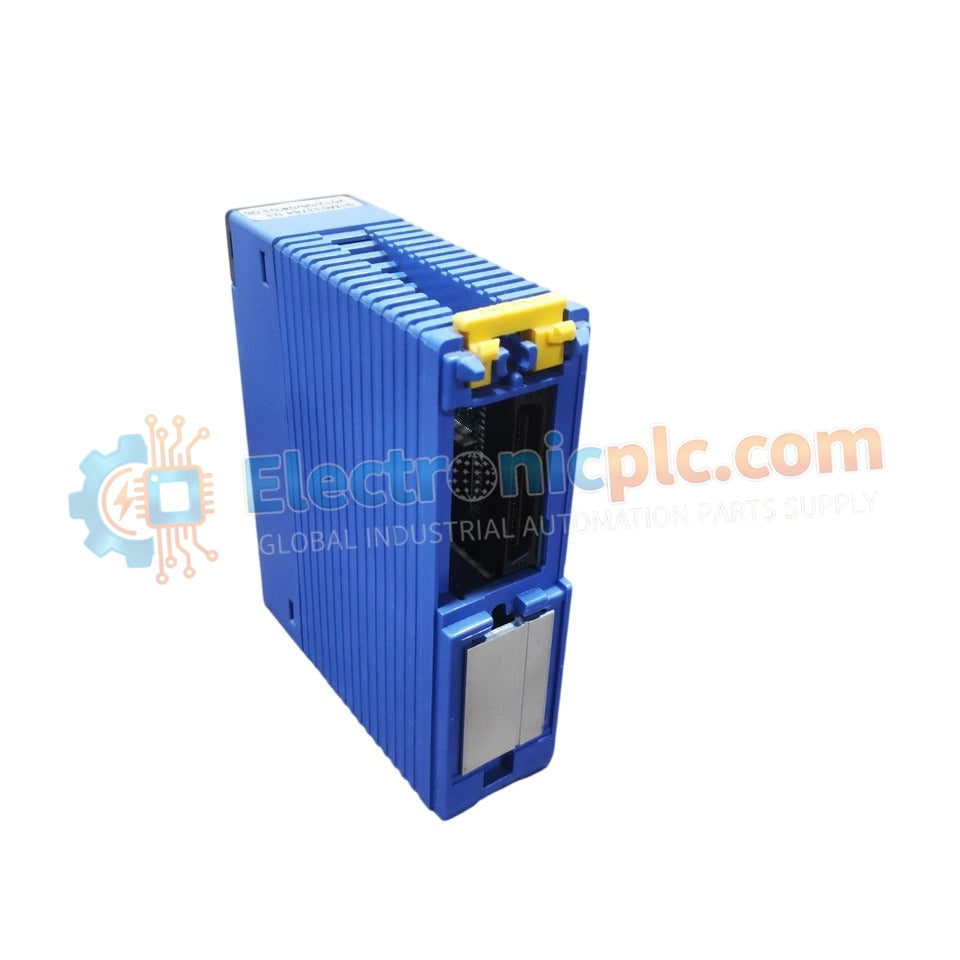
تم تكوين وحدة تحديد المواقع Yokogawa F3YP12-0V (F3YP12-0V) للتحكم في الحركة بدقة عالية وتنظيم المشغلات في منصات الأتمتة الصناعية، وتوفر الوحدة تنفيذًا ماديًا وكهربائيًا مباشرًا للتحكم في تحديد المواقع ذي الحلقة المغلقة.
| رمز اللاحقة | وصف المواصفات |
|---|---|
| F3YP12 | نموذج وحدة تحديد المواقع الأساسية |
| -0 | تكوين الواجهة القياسية |
| V | متغير خرج التحكم القائم على الجهد |
| المعلمة | المواصفات |
|---|---|
| النموذج | F3YP12-0V |
| العلامة التجارية | Yokogawa |
| الأصل | اليابان |
| الوزن | 0.3 كجم |
| الأبعاد | عامل شكل وحدة سلسلة F3 القياسية |
| درجة حرارة التشغيل | بيئة صناعية قياسية |
| استهلاك الطاقة | يعتمد على ناقل النظام |
| خرج التحكم | قائم على الجهد (V) |
تعمل الوحدة F3YP12-0V كعقدة معالجة ذكية ضمن هياكل PLC من سلسلة Yokogawa F3، حيث تنفذ منطق التحكم في الحركة لإدارة التحديد المكاني للمشغلات الصناعية. تسهل الوحدة معالجة التغذية الراجعة في الوقت الفعلي، مما يسمح لها بمقارنة نقاط تحديد الموضع المستهدفة مع القياسات الفعلية في المجال. من خلال واجهة خرج الجهد، تنظم سرعة وخصائص تحديد الموضع للمحركات أو الصمامات المتصلة بخطية عالية وانجراف إشارة منخفض. يتعامل المعالج الداخلي مع الاستيفاء وتسريع/تباطؤ الارتفاع، مما يخفف هذه المهام الكثيفة الحوسبة عن وحدة المعالجة المركزية لضمان أداء حركة محدد.
س: هل يدعم F3YP12-0V التحكم في محاور متعددة في وقت واحد؟
ج: تم تحسين الوحدة لكثافة قناة تحديد المواقع المحددة. ارجع إلى برنامج تكوين النظام لتحديد العدد الدقيق للمحاور التي تديرها وحدة واحدة وبنية العنونة المطلوبة للتحكم في الحركة الموسع.
س: كيف يتم معايرة التغذية الراجعة للموضع أثناء التشغيل الأولي؟
ج: تتم المعايرة من خلال بيئة هندسة PLC. تتضمن العملية تحديد حدود السفر الفيزيائية، والتحقق من قياس مستشعر التغذية الراجعة، وضبط معلمات حلقة التحكم PID لتحقيق الاستجابة المطلوبة بدون تجاوز أو خطأ في الحالة المستقرة.


