انتقل إلى معلومات المنتج
1 ل 3

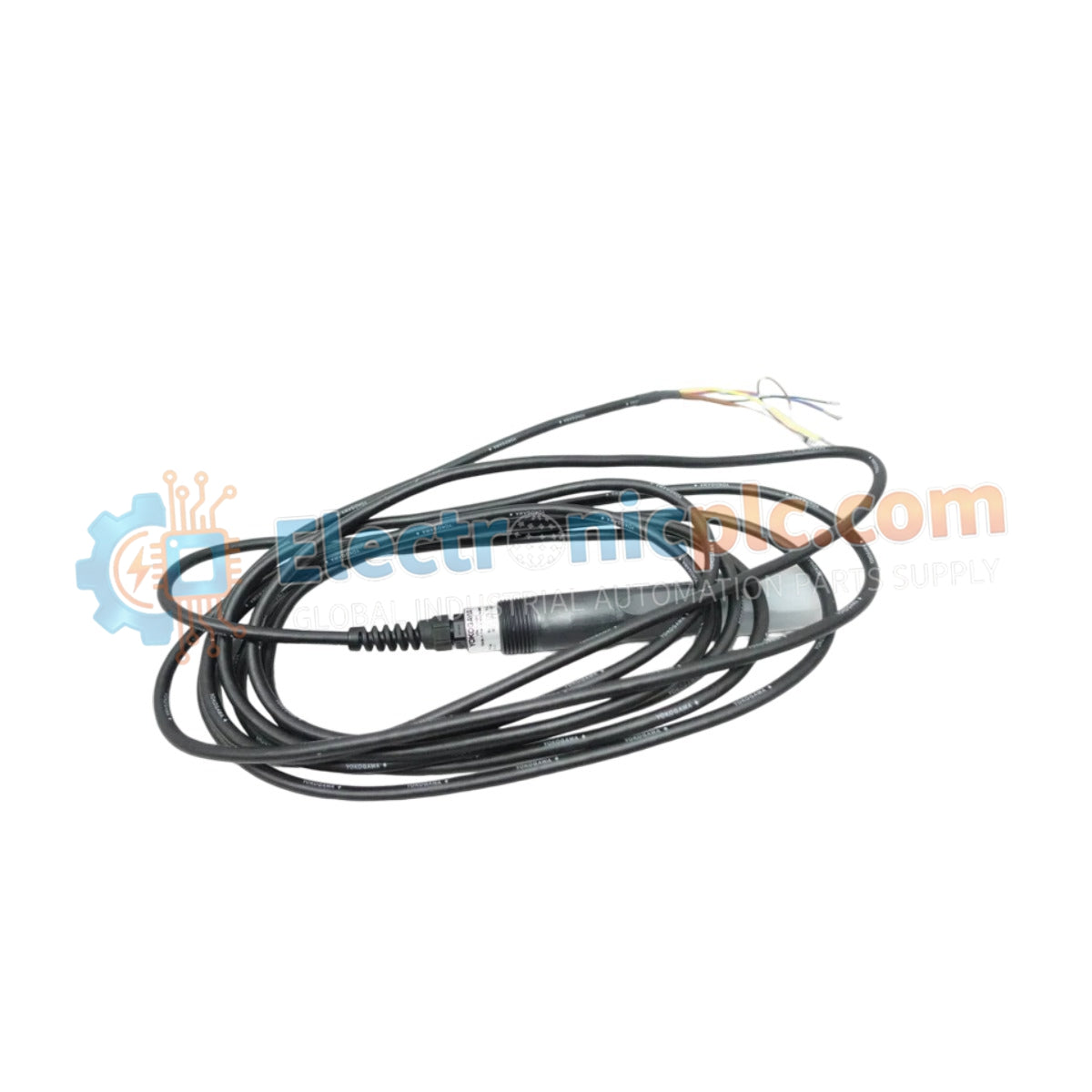
Yokogawa FU20-05-T1-NPT Wide Body Sensor

Yokogawa FU20-05-T1-NPT Wide Body Sensor

Configured for continuous analytical measurement in liquid process streams, the Yokogawa FU20-05-T1-NPT (FU20-05-T1-NPT Wide Body Sensor) provides direct physical contact for pH and ORP potential detection within industrial pipework or...

16 يشاهد الناس هذا الآن

التوافرالكمية المتبقية: 99

رمز المنتج: FU20-05-T1-NPT
بائع: Yokogawa
Related Series:

الشحن والإرجاع

توصيل موثوق به في جميع أنحاء العالم

  • شركات الشحن: يتم الشحن عبر DHL أو FedEx أو UPS أو USPS .
  • الشحن: تتم معالجة الطلبات خلال يوم عمل واحد إلى يومين، ويتم شحنها خلال 3 إلى 5 أيام عمل .
  • التتبع: يتم توفير تفاصيل التتبع الكاملة عبر البريد الإلكتروني عند الشحن.

ضمان استرداد الأموال خلال 30 يومًا

  • الضمان: فترة إرجاع لمدة 30 يومًا للمنتجات المتوفرة في المخزون والمغلفة من المصنع.
  • الشروط: يجب أن تكون المنتجات غير مفتوحة وغير مستخدمة وفي عبوتها الأصلية.
  • الأصالة: نضمن أن تكون الأجهزة أصلية 100% .

هل تحتاج إلى مزيد من التفاصيل؟ اقرأ سياسة الشحن وسياسة الاسترداد الكاملة.

الأصالة والضمان

  • ضمان أصلي: نحن نوفر فقط قطع غيار أصلية 100%، جديدة تمامًا، ومغلقة من المصنع .
  • تغطية كاملة: كل مكون مدعوم بضمان شامل لمدة 12 شهرًا من تاريخ الشراء.
  • إمكانية التتبع: جميع المنتجات تأتي مع وثائق المصنع الأصلية والملحقات اللازمة للامتثال الكامل للمعايير الصناعية.

الدعم الفني والتوريد

  • مساعدة الخبراء: يقدم فريقنا الفني استشارات مجانية لمساعدتك في التحقق من التوافق مع أنظمة DCS و PLC.
  • مصادر القطع النادرة: متخصصون في المكونات القديمة والتي يصعب العثور عليها من Allen-Bradley و Siemens و ABB و HIMA وغيرها.
  • للاستفسارات المتعلقة بالكميات الكبيرة: تواصلوا معنا على pambo@5gplc.com للحصول على أسعار الكميات الكبيرة أو عروض أسعار المشاريع المخصصة.
عرض تفاصيل المنتج الكاملة

Configured for continuous analytical measurement in liquid process streams, the Yokogawa FU20-05-T1-NPT (FU20-05-T1-NPT Wide Body Sensor) provides direct physical contact for pH and ORP potential detection within industrial pipework or bypass loops.

Suffix Breakdown & Model Matrix

  • FU20: Base wide-body sensor model identifier.
  • 05: Defined cable length of 5 meters.
  • T1: Integrated temperature sensor (Pt1000) for compensation.
  • NPT: Standardized NPT process connection threading.

Hardware Specifications

Parameter Specification
Model FU20-05-T1-NPT
Brand Yokogawa
Origin Japan
Weight 0.8 kg
Dimensions 27 mm (Diameter) x 165 mm (Length)
Operating Temp -10 deg C to 105 deg C
Process Connection 3/4 inch NPT
Sensor Type Combined pH/ORP and Temperature

Electrode Scaling and Potentiometric Performance

The FU20-05-T1-NPT sensor assembly utilizes a solid-state electrolyte junction to minimize fouling and reference poisoning in high-particulate process media. The potentiometric output requires high-impedance amplification, facilitated by the integrated Pt1000 temperature element which provides real-time slope compensation. This integration suppresses measurement drift and maintains Nernstian response stability in variable-temperature streams.

Frequently Asked Questions

Q: Is the internal Pt1000 sensor compatible with non-Yokogawa transmitters?

A: The Pt1000 element follows standard resistance-temperature characteristics (IEC 60751). It is electrically compatible with any process transmitter capable of accepting a 2-wire Pt1000 input; ensure the transmitter is correctly configured for the specific resistance range and cable impedance.

Q: Can the NPT threads be used for submersion applications?

A: While the NPT threads provide a secure mechanical mount for pipe installation, submersion requires additional protection for the cable entry point. Ensure the sensor is installed with a dedicated submersion assembly to prevent moisture ingress at the cable-to-sensor junction.

Field Installation Guidelines

  1. Perform a multi-point buffer calibration before installation to verify electrode slope and offset consistency.
  2. Install the sensor in a vertical or inclined position (at least 15 degrees above the horizontal) to ensure the internal reference electrode remains in contact with the electrolyte gel.
  3. Apply Teflon-based thread sealant to the 3/4 inch NPT threads, ensuring the sensor is hand-tightened followed by a quarter-turn with a wrench; do not over-torque to avoid damaging the sensor body.
  4. Route the 5-meter cable through flexible, liquid-tight conduit to protect it from mechanical abrasion and process chemical exposure.
  5. In high-flow environments, verify that the sensor is not placed in a location subject to excessive turbulence, which could induce measurement noise and physical vibration fatigue.