انتقل إلى معلومات المنتج
1 ل 3

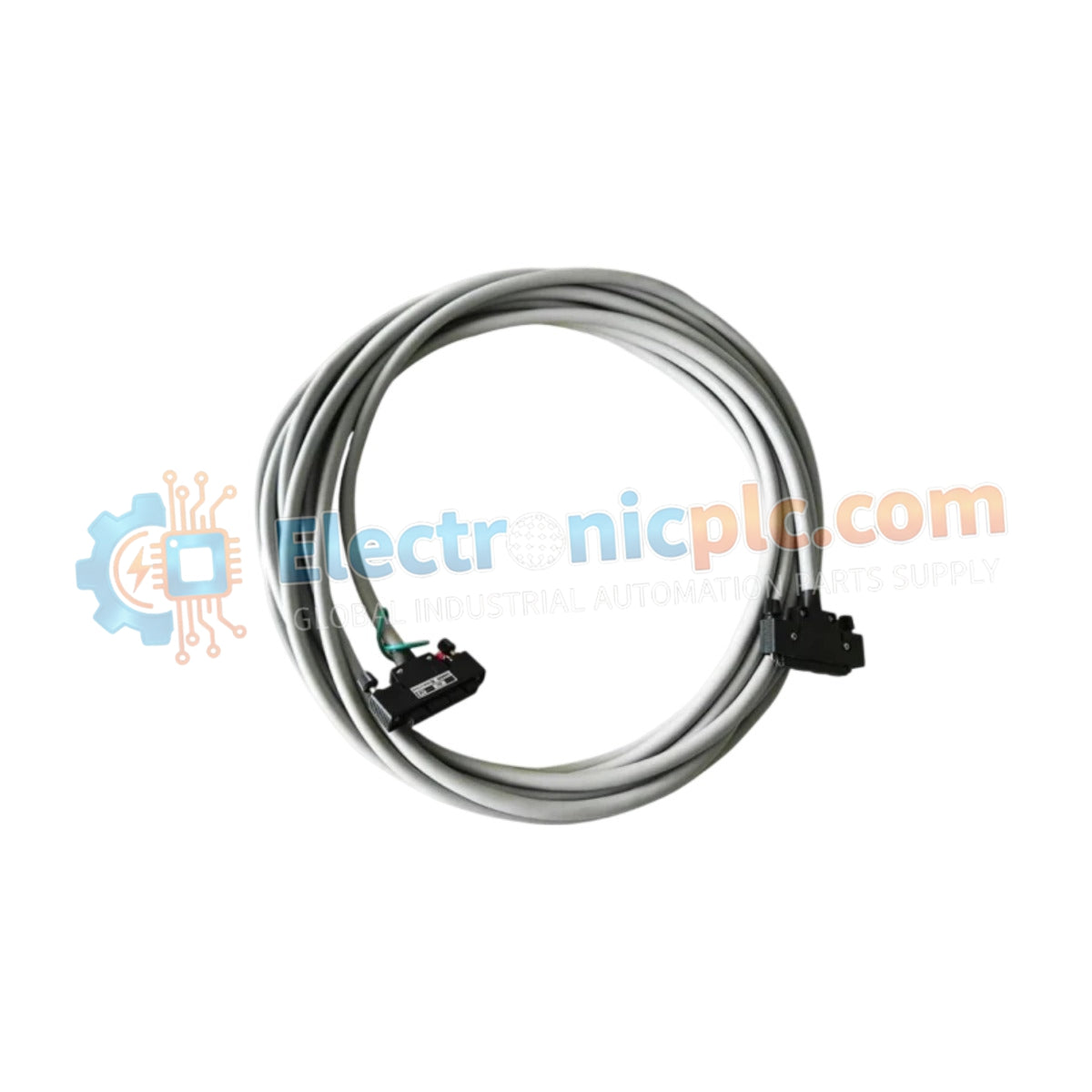
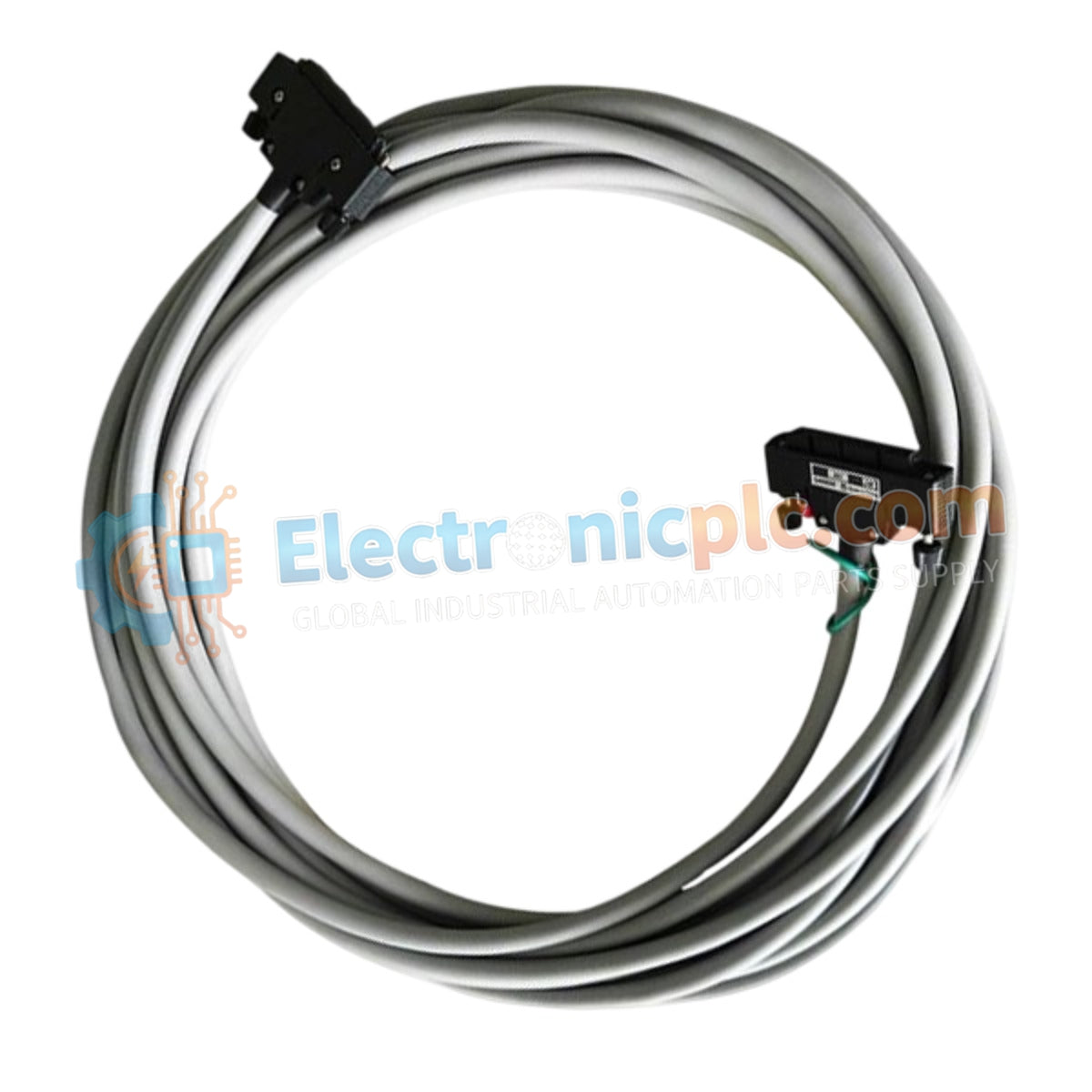
YOKOGAWA KS10-10*A Signal Cable

YOKOGAWA KS10-10*A Signal Cable

The YOKOGAWA KS10-10*A, also cataloged as the KS10-10 Signal Cable, operates as a dedicated hardware component for high-density analog and digital signal interconnection between field terminal blocks and DCS input/output...

19 يشاهد الناس هذا الآن

التوافرالكمية المتبقية: 99

رمز المنتج: KS10-10*A
بائع: Yokogawa
فئة: Signal Cable
Related Series:

الشحن والإرجاع

توصيل موثوق به في جميع أنحاء العالم

  • شركات الشحن: يتم الشحن عبر DHL أو FedEx أو UPS أو USPS .
  • الشحن: تتم معالجة الطلبات خلال يوم عمل واحد إلى يومين، ويتم شحنها خلال 3 إلى 5 أيام عمل .
  • التتبع: يتم توفير تفاصيل التتبع الكاملة عبر البريد الإلكتروني عند الشحن.

ضمان استرداد الأموال خلال 30 يومًا

  • الضمان: فترة إرجاع لمدة 30 يومًا للمنتجات المتوفرة في المخزون والمغلفة من المصنع.
  • الشروط: يجب أن تكون المنتجات غير مفتوحة وغير مستخدمة وفي عبوتها الأصلية.
  • الأصالة: نضمن أن تكون الأجهزة أصلية 100% .

هل تحتاج إلى مزيد من التفاصيل؟ اقرأ سياسة الشحن وسياسة الاسترداد الكاملة.
الأصالة والضمان

  • ضمان أصلي: نحن نوفر فقط قطع غيار أصلية 100%، جديدة تمامًا، ومغلقة من المصنع .
  • تغطية كاملة: كل مكون مدعوم بضمان شامل لمدة 12 شهرًا من تاريخ الشراء.
  • إمكانية التتبع: جميع المنتجات تأتي مع وثائق المصنع الأصلية والملحقات اللازمة للامتثال الكامل للمعايير الصناعية.

الدعم الفني والتوريد

  • مساعدة الخبراء: يقدم فريقنا الفني استشارات مجانية لمساعدتك في التحقق من التوافق مع أنظمة DCS و PLC.
  • مصادر القطع النادرة: متخصصون في المكونات القديمة والتي يصعب العثور عليها من Allen-Bradley و Siemens و ABB و HIMA وغيرها.
  • للاستفسارات المتعلقة بالكميات الكبيرة: تواصلوا معنا على pambo@5gplc.com للحصول على أسعار الكميات الكبيرة أو عروض أسعار المشاريع المخصصة.
عرض تفاصيل المنتج الكاملة

The YOKOGAWA KS10-10*A, also cataloged as the KS10-10 Signal Cable, operates as a dedicated hardware component for high-density analog and digital signal interconnection between field terminal blocks and DCS input/output modules.

Suffix Breakdown & Model Matrix

  • KS10: Base model designation for the multi-core signal cable series.
  • 10: Indicates the specific cable length configuration (10 m).
  • A: Denotes the connector wiring configuration and pinout definition (Style A).

Hardware Specifications

Parameter Specification
Model KS10-10*A
Brand YOKOGAWA
Origin japan
Weight 2 kg
Dimensions Not Specified
Operating Temp Standard Industrial Range
Power Consumption Passive Component
Pin Configuration 50-pin to 50-pin

Process Control Connectivity

The KS10 series cables are utilized to maintain 4-20 mA HART loop protocol signal integrity between field junction boxes and Yokogawa process control stations. Each cable assembly ensures channel-to-channel isolation by maintaining strict twisted-pair shielding requirements, preventing cross-talk in high-density I/O racks. The cable incorporates cold junction compensation (CJC) path continuity for temperature-sensing loops, ensuring that thermocouple and RTD signal degradation remains within the tolerance of the host controller.

Frequently Asked Questions

Q: Can the KS10-10*A cable be shortened in the field without compromising the connection integrity?

A: Field modification of the cable length is strictly discouraged, as manual termination of the 50-pin connectors often introduces impedance mismatch and signal noise, which may interfere with high-precision DCS analog loops.

Q: Are these cables shielded against electromagnetic interference (EMI)?

A: Yes, the internal conductors are shielded to suppress induced noise, adhering to industrial standards for DCS signal propagation. Ensure the cable drain wire is connected to the instrument earth at the designated terminal point.

Field Installation Guidelines

  1. Connector Engagement: When inserting the 50-pin connectors into the I/O module or terminal board, ensure the locking clips are fully seated. Partial engagement leads to intermittent circuit faults.
  2. Bend Radius: Maintain a minimum bend radius of at least 10 times the outer diameter of the cable. Excessive bending can cause internal core fracture or insulation degradation.
  3. Cable Routing: Route signal cables in dedicated instrumentation trays. Avoid parallel runs with high-voltage power lines (e.g., 480 VAC or higher) to prevent inductive noise injection.
  4. Environment: Ensure that the cable entry points at the control cabinet are sealed to prevent dust or moisture ingress, particularly in corrosive environments where G3 protection might be required for connected modules.