انتقل إلى معلومات المنتج
1 ل 3

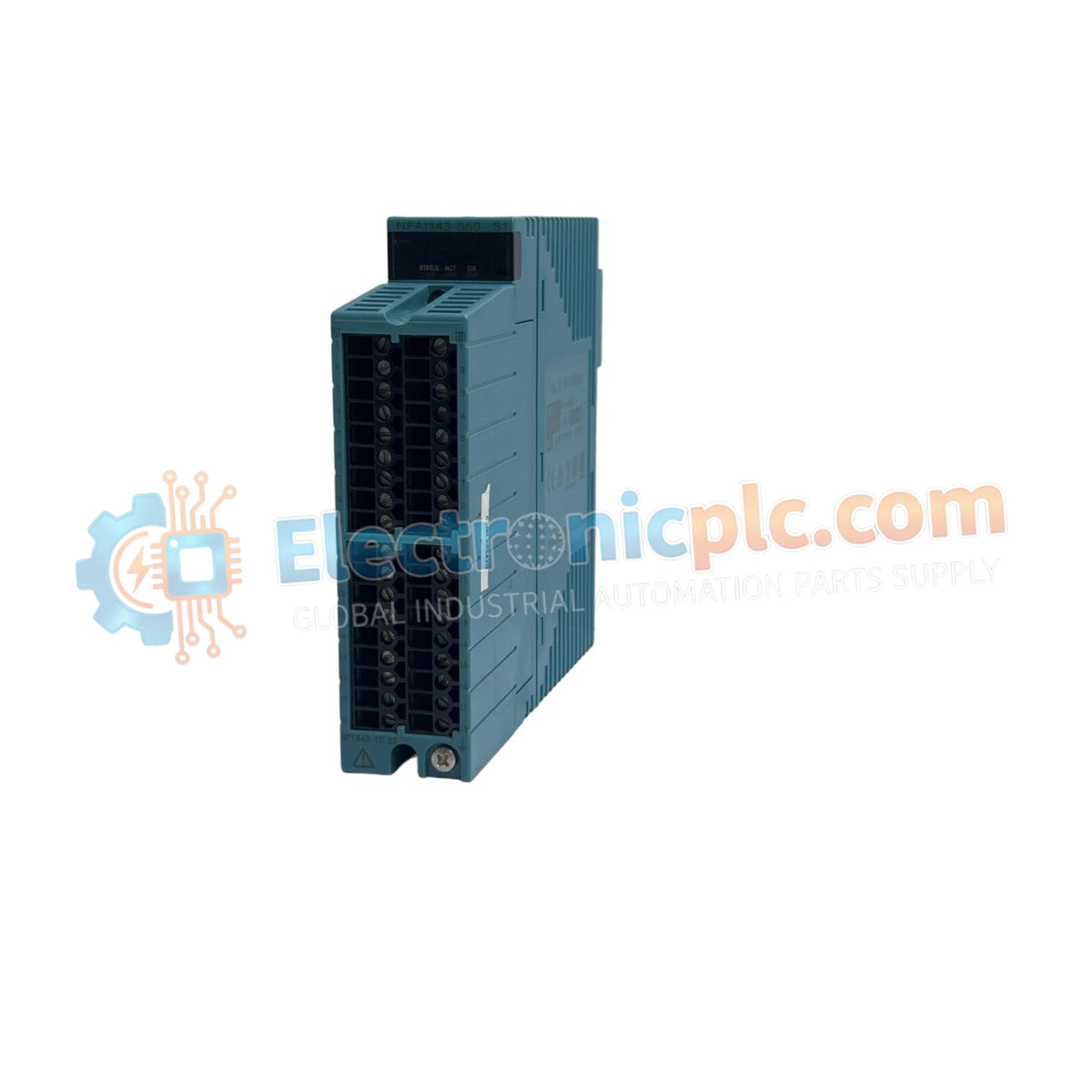
YOKOGAWA NFAF135-S50 S1 Pulse Input Module

YOKOGAWA NFAF135-S50 S1 Pulse Input Module

The YOKOGAWA NFAF135-S50 (NFAF135-S50 Pulse Input Module) serves as the primary NFAF135-S50 Pulse Input Module utilized to execute high-speed pulse signal acquisition across CENTUM VP and ProSafe-RS platforms.

Hardware Specifications

...
28 يشاهد الناس هذا الآن

التوافرفي الأوراق المالية

رمز المنتج: NFAF135-S50 S1
بائع: Yokogawa
Related Series:

الشحن والإرجاع

توصيل موثوق به في جميع أنحاء العالم

  • شركات الشحن: يتم الشحن عبر DHL أو FedEx أو UPS أو USPS .
  • الشحن: تتم معالجة الطلبات خلال يوم عمل واحد إلى يومين، ويتم شحنها خلال 3 إلى 5 أيام عمل .
  • التتبع: يتم توفير تفاصيل التتبع الكاملة عبر البريد الإلكتروني عند الشحن.

ضمان استرداد الأموال خلال 30 يومًا

  • الضمان: فترة إرجاع لمدة 30 يومًا للمنتجات المتوفرة في المخزون والمغلفة من المصنع.
  • الشروط: يجب أن تكون المنتجات غير مفتوحة وغير مستخدمة وفي عبوتها الأصلية.
  • الأصالة: نضمن أن تكون الأجهزة أصلية 100% .

هل تحتاج إلى مزيد من التفاصيل؟ اقرأ سياسة الشحن وسياسة الاسترداد الكاملة.

الأصالة والضمان

  • ضمان أصلي: نحن نوفر فقط قطع غيار أصلية 100%، جديدة تمامًا، ومغلقة من المصنع .
  • تغطية كاملة: كل مكون مدعوم بضمان شامل لمدة 12 شهرًا من تاريخ الشراء.
  • إمكانية التتبع: جميع المنتجات تأتي مع وثائق المصنع الأصلية والملحقات اللازمة للامتثال الكامل للمعايير الصناعية.

الدعم الفني والتوريد

  • مساعدة الخبراء: يقدم فريقنا الفني استشارات مجانية لمساعدتك في التحقق من التوافق مع أنظمة DCS و PLC.
  • مصادر القطع النادرة: متخصصون في المكونات القديمة والتي يصعب العثور عليها من Allen-Bradley و Siemens و ABB و HIMA وغيرها.
  • للاستفسارات المتعلقة بالكميات الكبيرة: تواصلوا معنا على pambo@5gplc.com للحصول على أسعار الكميات الكبيرة أو عروض أسعار المشاريع المخصصة.
عرض تفاصيل المنتج الكاملة

The YOKOGAWA NFAF135-S50 (NFAF135-S50 Pulse Input Module) serves as the primary NFAF135-S50 Pulse Input Module utilized to execute high-speed pulse signal acquisition across CENTUM VP and ProSafe-RS platforms.

Hardware Specifications

Parameter Specification
Model NFAF135-S50 S1
Brand YOKOGAWA
Origin JAPAN
Weight 0.3 kg
Dimensions 32.8 mm x 107.5 mm x 130 mm
Operating Temp -20 to 70 deg C
Power Consumption 3.0 W (typical)
Input Channels 8-channel isolated pulse input
Signal Compatibility 2-wire / 3-wire pulse, dry contact, voltage/current pulse

DCS Process Control Integration

The module implements high-fidelity signal processing through robust channel-to-channel isolation. By maintaining galvanic separation between individual pulse input circuits and the system backplane, the NFAF135-S50 minimizes common-mode noise and prevents ground loop interference. Each channel is engineered for precise frequency measurement and pulse totalization, facilitating direct interfacing with turbine flowmeters and rotational speed sensors in process control loops. The internal architecture provides voltage supply capabilities to field-mounted transmitters, streamlining loop wiring for frequency-based instrumentation.

Frequently Asked Questions

Q: Does the module support frequency detection for both 2-wire and 3-wire pulse transmitters? A: Yes, the NFAF135-S50 is architecturally compatible with both 2-wire and 3-wire field configurations, providing necessary excitation power for the respective transmitter types.

Q: How does the module handle high-frequency transients within the DCS environment? A: The module utilizes high-speed sampling circuitry designed to mitigate signal jitter and maintain pulse count accuracy, with electrical isolation acting as the primary barrier against electromagnetic noise interference.

Field Installation Guidelines

  1. Ensure all power supplies to the specific I/O node are de-energized prior to seating the module into the backplane.
  2. Confirm that the terminal block wiring for pulse inputs is segregated from high-voltage AC cabling to prevent inductive coupling.
  3. Utilize shielded twisted-pair cabling for field signals, ensuring the shield is terminated at the designated common ground point on the field terminal strip.
  4. Align the module carefully with the backplane guides before applying steady pressure to engage the connector pins.
  5. Secure the module using the front-panel mounting screws to ensure proper electrical contact and mechanical stability under operational vibration.