انتقل إلى معلومات المنتج
1 ل 3

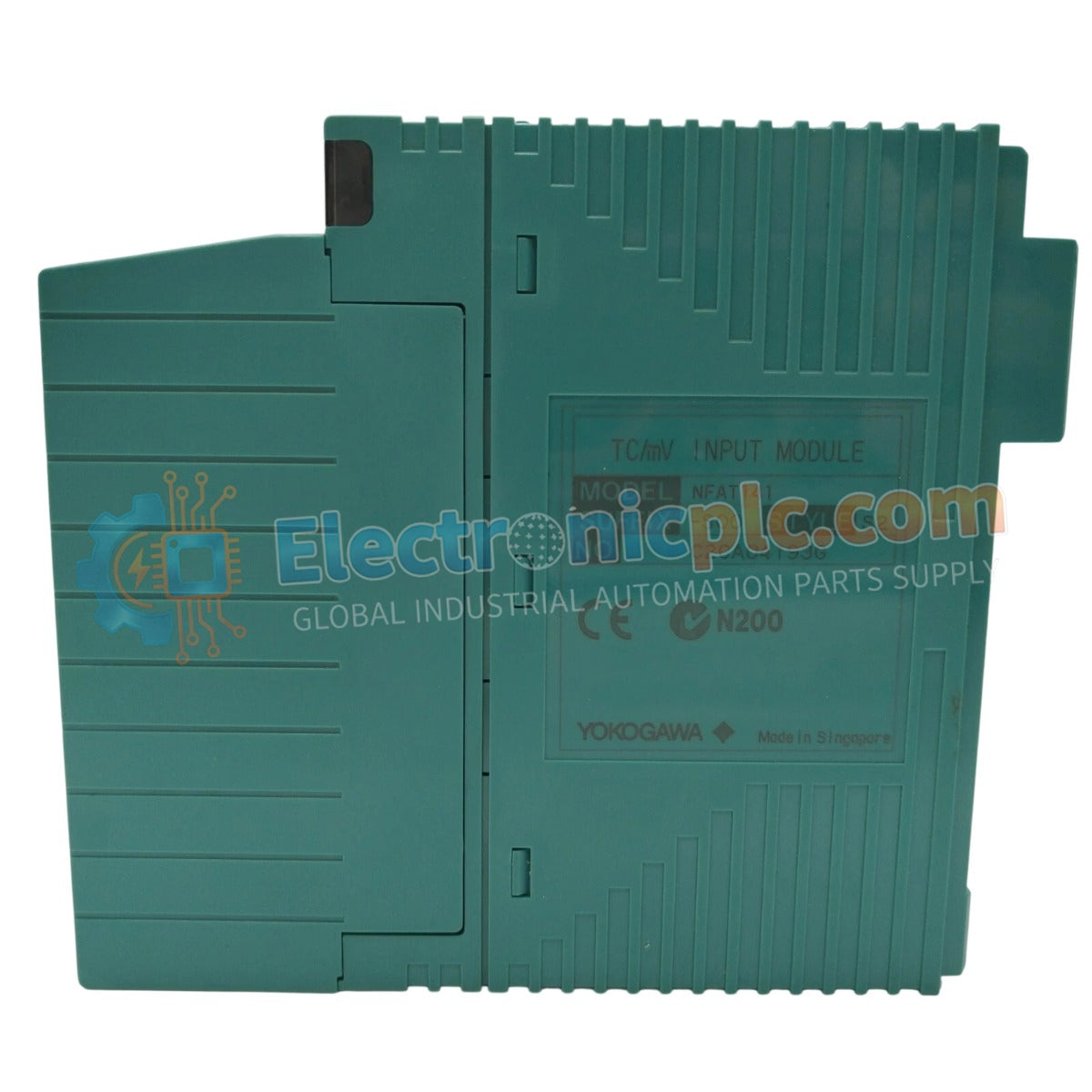
YOKOGAWA NFAT-141-S01 Analog Input Module

YOKOGAWA NFAT-141-S01 Analog Input Module

Configured for high-density signal acquisition within STARDOM autonomous control architectures, the YOKOGAWA NFAT-141-S01 (NFAT141 Analog Input Module) provides direct physical execution of non-isolated analog current sensing.

Suffix Breakdown & Model...

29 يشاهد الناس هذا الآن

التوافرفي الأوراق المالية

رمز المنتج: NFAT-141-S01
بائع: Yokogawa
Related Series:

الشحن والإرجاع

توصيل موثوق به في جميع أنحاء العالم

  • شركات الشحن: يتم الشحن عبر DHL أو FedEx أو UPS أو USPS .
  • الشحن: تتم معالجة الطلبات خلال يوم عمل واحد إلى يومين، ويتم شحنها خلال 3 إلى 5 أيام عمل .
  • التتبع: يتم توفير تفاصيل التتبع الكاملة عبر البريد الإلكتروني عند الشحن.

ضمان استرداد الأموال خلال 30 يومًا

  • الضمان: فترة إرجاع لمدة 30 يومًا للمنتجات المتوفرة في المخزون والمغلفة من المصنع.
  • الشروط: يجب أن تكون المنتجات غير مفتوحة وغير مستخدمة وفي عبوتها الأصلية.
  • الأصالة: نضمن أن تكون الأجهزة أصلية 100% .

هل تحتاج إلى مزيد من التفاصيل؟ اقرأ سياسة الشحن وسياسة الاسترداد الكاملة.

الأصالة والضمان

  • ضمان أصلي: نحن نوفر فقط قطع غيار أصلية 100%، جديدة تمامًا، ومغلقة من المصنع .
  • تغطية كاملة: كل مكون مدعوم بضمان شامل لمدة 12 شهرًا من تاريخ الشراء.
  • إمكانية التتبع: جميع المنتجات تأتي مع وثائق المصنع الأصلية والملحقات اللازمة للامتثال الكامل للمعايير الصناعية.

الدعم الفني والتوريد

  • مساعدة الخبراء: يقدم فريقنا الفني استشارات مجانية لمساعدتك في التحقق من التوافق مع أنظمة DCS و PLC.
  • مصادر القطع النادرة: متخصصون في المكونات القديمة والتي يصعب العثور عليها من Allen-Bradley و Siemens و ABB و HIMA وغيرها.
  • للاستفسارات المتعلقة بالكميات الكبيرة: تواصلوا معنا على pambo@5gplc.com للحصول على أسعار الكميات الكبيرة أو عروض أسعار المشاريع المخصصة.
عرض تفاصيل المنتج الكاملة

Configured for high-density signal acquisition within STARDOM autonomous control architectures, the YOKOGAWA NFAT-141-S01 (NFAT141 Analog Input Module) provides direct physical execution of non-isolated analog current sensing.

Suffix Breakdown & Model Matrix

The NFAT-141-S01 follows a revision-controlled part numbering scheme. The -S01 designator signifies the Style S2 hardware iteration, which indicates specific mechanical form factor and internal circuit impedance matching optimized for STARDOM backplane communication.

Hardware Specifications

Parameter Specification
Model NFAT-141-S01
Brand YOKOGAWA
Origin Japan
Weight 0.2 kg (0.44 lbs)
Dimensions Standard STARDOM module profile
Operating Temp 0 deg C to 60 deg C
Power Consumption 22.8-26.4 VDC
Channel Density 16 channels
Input Type Analog (Non-isolated)
Max Input Current 27 mA
Connection Type Pressure clamp terminal

4-20 mA HART Loop Protocol and Signal Acquisition

The NFAT-141-S01 module is designed for standard current loop monitoring. As a non-isolated analog input unit, it provides a common-ground reference for all 16 channels, which is required for applications where ground loops are managed at the cabinet or field distribution level. The hardware facilitates the acquisition of 4-20 mA signals, supporting integration with external HART loop protocol modems when deployed in loops requiring advanced field device diagnostics.

Frequently Asked Questions

Q: Does the NFAT-141-S01 provide galvanic isolation between channels?

A: No. This specific model is a non-isolated input module. All 16 channels share a common ground reference, necessitating careful external signal conditioning if the field instruments are at different ground potentials.

Q: Can this module be used as a direct replacement for isolated modules?

A: Compatibility must be verified based on system grounding requirements. Replacing an isolated module with this non-isolated version may introduce ground loops if the field devices are not properly isolated from earth ground.

Field Installation Guidelines

  1. Termination: Utilize the integrated pressure clamp terminals for field wiring. Ensure wires are stripped to the appropriate length to prevent exposed conductor strands from causing short circuits between adjacent terminals.
  2. Grounding: Since this is a non-isolated module, ensure the common ground rail of the signal loop is connected to a stable reference point to minimize common-mode noise.
  3. Signal Cabling: Use shielded twisted-pair wire to maintain signal integrity. Terminate shields at a single point to avoid creating ground loops that could interfere with the 27 mA maximum input range.
  4. Environment: Install within a controlled enclosure. Monitor ambient temperature to ensure the module operates within the 0 deg C to 60 deg C range, maintaining specified linearity and accuracy.