
سلة التسوق الخاصة بي
0 عنصرًا
قطع غيار أصلية للأتمتة | توصيل سريع عالمي | ضمان لمدة 12 شهرًا — [احصل على عرض سعر]

تم تكوين YOKOGAWA NFDV161-P50 (وحدة الإدخال الرقمي NFDV161-P50) للحصول على إشارة منفصلة عالية الكثافة في منصات شبكة DCS، مما يوفر تنفيذًا فيزيائيًا/كهربائيًا مباشرًا لمراقبة الحالة وتسلسل التعشيق.
التوافر: في الأوراق المالية
توصيل موثوق به في جميع أنحاء العالم
ضمان استرداد الأموال خلال 30 يومًا
هل تحتاج إلى مزيد من التفاصيل؟ اقرأ سياسة الشحن وسياسة الاسترداد الكاملة.


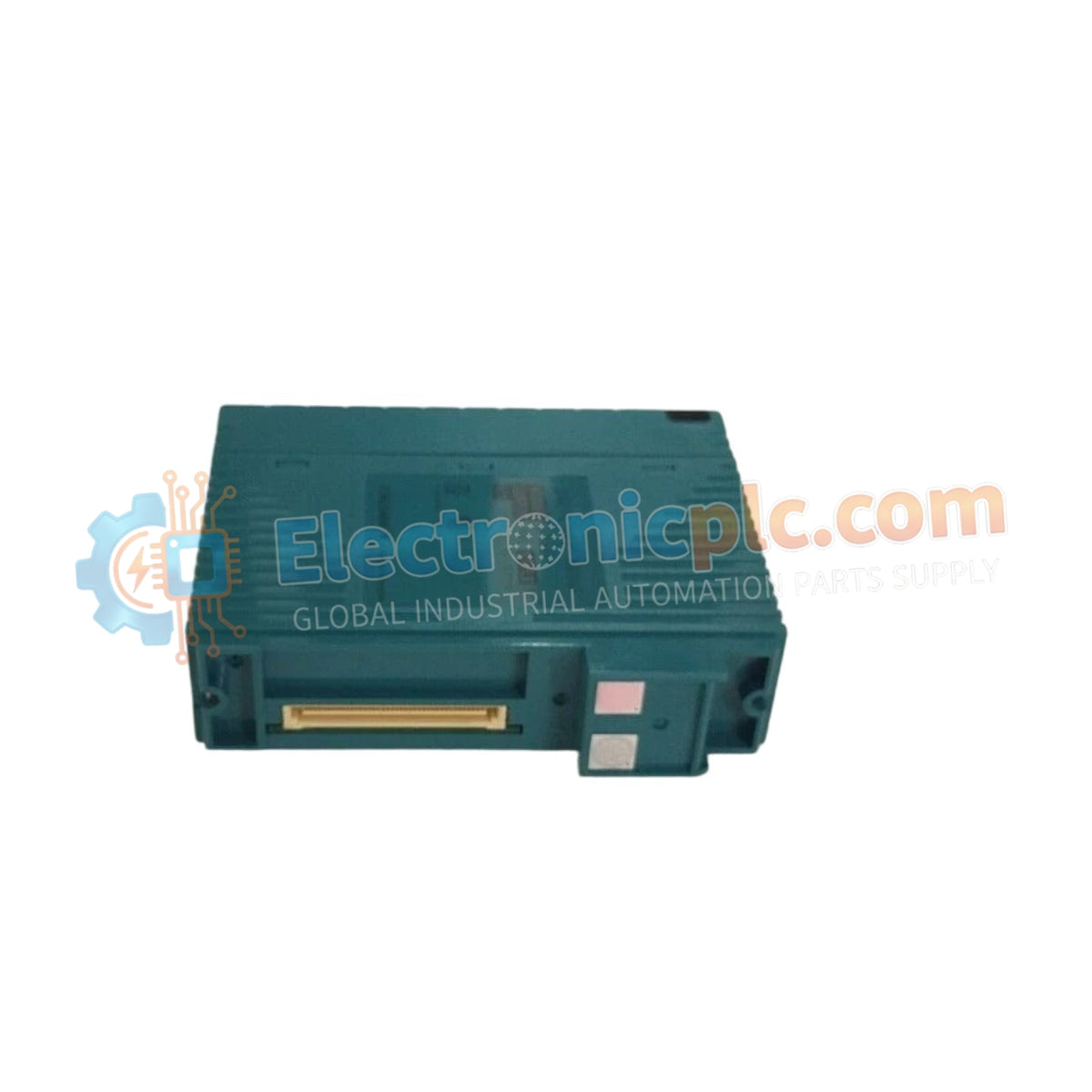
تم تكوين YOKOGAWA NFDV161-P50 (وحدة الإدخال الرقمي NFDV161-P50) للحصول على إشارة منفصلة عالية الكثافة في منصات شبكة DCS، مما يوفر تنفيذًا فيزيائيًا/كهربائيًا مباشرًا لمراقبة الحالة وتسلسل التعشيق.
| المعلمة | المواصفات |
|---|---|
| الموديل | NFDV161-P50 |
| العلامة التجارية | YOKOGAWA |
| المنشأ | اليابان |
| الوزن | 0.3 كجم |
| الأبعاد | 5.1 سم × 12.7 سم × 10.2 سم |
| درجة حرارة التشغيل | -20 إلى 70 درجة مئوية |
| استهلاك الطاقة | 2.5 واط (نموذجي) |
| إدخال الإشارة | 16 قناة إدخال منفصلة |
| العزل | عزل جلفاني من قناة إلى قناة |
تضمن الوحدة سلامة الإشارة من خلال عزل شامل من قناة إلى قناة، مما يمنع انتشار الضوضاء النمطية المشتركة بين المدخلات المنفصلة. تدعم بنية الدائرة واجهات حلقة المعالجة القياسية 24 فولت تيار مستمر، مما يضمن عتبات جهد متوافقة لمراقبة تلامس مفتاح المجال. من خلال استخدام اقتران بصري مخصص لكل قناة إدخال، تحافظ الوحدة على الاستقرار التشغيلي ضمن بيئات التداخل الكهرومغناطيسي العالية التي تميز منشآت التحكم في العمليات واسعة النطاق.
س: هل يدعم NFDV161-P50 التبديل السريع أثناء تشغيل النظام النشط؟
ج: نعم، تم تصميم بنية الأجهزة لدعم الإدخال والإزالة بالتبديل السريع ضمن لوحة توصيل كهربائية مزودة بالطاقة شريطة اتباع بروتوكولات أمان خزانة DCS المحددة.
س: ما هو أقصى سحب للتيار لكل قناة أثناء انتقال حالة الإشارة؟
ج: كل قناة محدودة بالتيار إلى 10 مللي أمبير لضمان التوافق مع مفاتيح تحديد المجال القياسية ومدخلات التلامس الجاف مع الحفاظ على تبديد حرارة منخفض.


