انتقل إلى معلومات المنتج
1 ل 3

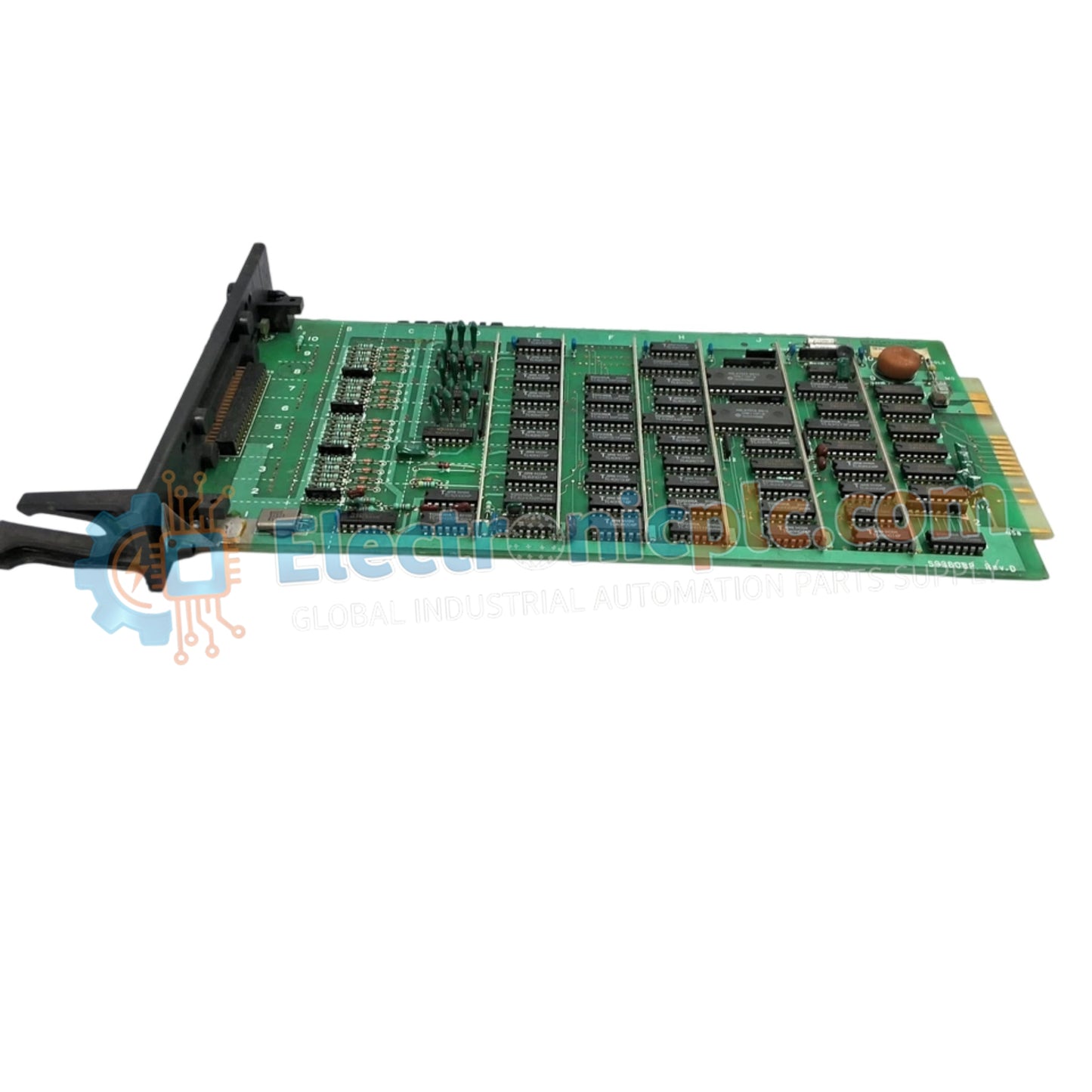
Yokogawa PM1*C Processor Module Card

Yokogawa PM1*C Processor Module Card

Configured for legacy process control environments, the Yokogawa PM1*C (PM1*C Processor Module) serves as a fundamental hardware component within established CENTUM XL control architectures, providing direct physical/electrical execution of process...

22 يشاهد الناس هذا الآن

التوافرفي الأوراق المالية

رمز المنتج: PM1*C
بائع: Yokogawa
Related Series:

الشحن والإرجاع

توصيل موثوق به في جميع أنحاء العالم

  • شركات الشحن: يتم الشحن عبر DHL أو FedEx أو UPS أو USPS .
  • الشحن: تتم معالجة الطلبات خلال يوم عمل واحد إلى يومين، ويتم شحنها خلال 3 إلى 5 أيام عمل .
  • التتبع: يتم توفير تفاصيل التتبع الكاملة عبر البريد الإلكتروني عند الشحن.

ضمان استرداد الأموال خلال 30 يومًا

  • الضمان: فترة إرجاع لمدة 30 يومًا للمنتجات المتوفرة في المخزون والمغلفة من المصنع.
  • الشروط: يجب أن تكون المنتجات غير مفتوحة وغير مستخدمة وفي عبوتها الأصلية.
  • الأصالة: نضمن أن تكون الأجهزة أصلية 100% .

هل تحتاج إلى مزيد من التفاصيل؟ اقرأ سياسة الشحن وسياسة الاسترداد الكاملة.

الأصالة والضمان

  • ضمان أصلي: نحن نوفر فقط قطع غيار أصلية 100%، جديدة تمامًا، ومغلقة من المصنع .
  • تغطية كاملة: كل مكون مدعوم بضمان شامل لمدة 12 شهرًا من تاريخ الشراء.
  • إمكانية التتبع: جميع المنتجات تأتي مع وثائق المصنع الأصلية والملحقات اللازمة للامتثال الكامل للمعايير الصناعية.

الدعم الفني والتوريد

  • مساعدة الخبراء: يقدم فريقنا الفني استشارات مجانية لمساعدتك في التحقق من التوافق مع أنظمة DCS و PLC.
  • مصادر القطع النادرة: متخصصون في المكونات القديمة والتي يصعب العثور عليها من Allen-Bradley و Siemens و ABB و HIMA وغيرها.
  • للاستفسارات المتعلقة بالكميات الكبيرة: تواصلوا معنا على pambo@5gplc.com للحصول على أسعار الكميات الكبيرة أو عروض أسعار المشاريع المخصصة.
عرض تفاصيل المنتج الكاملة

Configured for legacy process control environments, the Yokogawa PM1*C (PM1*C Processor Module) serves as a fundamental hardware component within established CENTUM XL control architectures, providing direct physical/electrical execution of process control logic and system-level monitoring.

Suffix Breakdown & Model Matrix

  • PM1*C: Base designation for a processor module card optimized for legacy DCS/PLC functionality; the internal configuration is engineered for integration within CENTUM XL rack assemblies.

Hardware Specifications

Parameter Specification
Model PM1*C
Brand Yokogawa
Origin Japan
Weight 0.33 kg
Dimensions Not Specified
Operating Temp Not Specified
Power Consumption Not Specified
Architecture Processor Module Card
Compatibility Yokogawa CENTUM XL Systems

Industrial Control and Legacy System Maintenance

The PM1*C module provides deterministic control execution necessary for the ongoing operation of legacy DCS architectures. As a critical spare for CENTUM XL systems, it is designed to interface directly with the system's internal bus to maintain communication integrity between the controller and the process I/O. The module facilitates the high-reliability logic processing required to support continuous production environments, ensuring that historical control parameters and system-level monitoring remain stable during long-term operation.

Frequently Asked Questions

Q: Is the PM1C module still in active production? A: No. The PM1C is a legacy/obsolete item. It is primarily utilized as a vital spare component for the maintenance and repair of existing CENTUM XL installations.

Q: What precautions should be taken when replacing a PM1*C module in a live system?

A: Given the legacy nature of CENTUM XL components, it is strongly recommended that the control rack be de-energized or the system placed in a safe manual control state per the specific plant maintenance procedures before attempting to remove or install the module.

Field Installation Guidelines

  1. Inspect the module backplane pins for signs of oxidation or wear common to legacy equipment before installation.
  2. Ensure the module is properly seated and firmly locked into the designated rack slot to establish a secure electrical connection with the system bus.
  3. Tighten all retaining screws to ensure proper grounding to the chassis, which is critical for noise immunity in older system architectures.
  4. Perform a thorough diagnostic check via the control system interface after installation to confirm that the module is correctly initializing and communicating with the rest of the rack.
  5. Handle the module using anti-static protocols, as legacy electronic components can be sensitive to electrostatic discharge (ESD) during manual handling.