سلة التسوق الخاصة بي
0 عنصرًا
قطع غيار أصلية للأتمتة | توصيل سريع عالمي | ضمان لمدة 12 شهرًا — [احصل على عرض سعر]

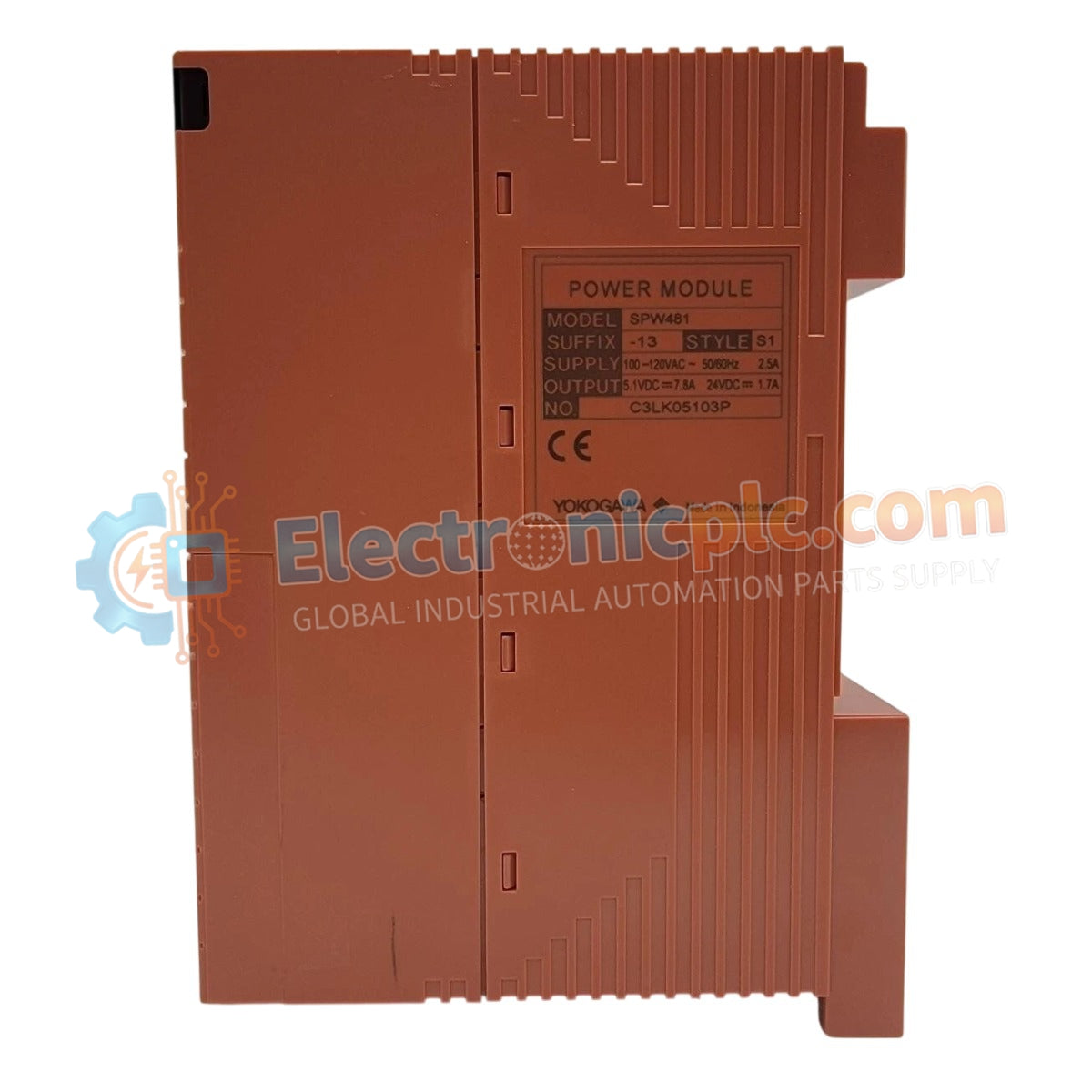
تُعد وحدة تزويد الطاقة YOKOGAWA SPW481-13، والمُفهرسة أيضًا باسم SPW481-13، مكونًا ماديًا مخصصًا لتنظيم الطاقة داخل منصات التحكم بالعمليات في أنظمة DCS.
| المعلمة |
| المعلمة | المواصفات |
| الطراز | SPW481-13 |
| العلامة التجارية | YOKOGAWA |
| المنشأ | اليابان |
| الوزن | 0.9 كجم |
| الأبعاد | 17.8 سم × 19.1 سم × 19.7 سم |
| درجة حرارة التشغيل | النطاق القياسي لدرجة الحرارة الصناعية المحيطة |
| استهلاك الطاقة | يخضع لمتطلبات الحمل |
تدمج الوحدة دوائر متخصصة للعزل بين القنوات وتنظيم الجهد المطلوب في حلقات أجهزة DCS. للحفاظ على أداء إخراج ثابت، تستخدم وحدة تزويد الطاقة آليات تغذية راجعة داخلية للتعويض عن تقلبات خط الإدخال. تم تصميم بنية الإخراج لتقليل خصائص التموج، مما يسهل التشغيل المستقر لوحدات الإدخال والإخراج التناظرية الحساسة ضمن نظام YOKOGAWA البيئي. يتطلب الأمر إدارة حرارية فعالة، مما يستدعي تدفق هواء مناسب في الخزانة لمنع تخفيض تصنيف المكونات أثناء التشغيل المستمر في تكوينات الرفوف عالية الكثافة.
س: ما هي متطلبات التركيب المادي لهذه الوحدة؟
ج: تم تصميم الوحدة للتركيب القياسي على الرف. يجب على المستخدمين التأكد من أن الوحدة مثبتة بالكامل في موصل اللوحة الخلفية لضمان التلامس الكهربائي الصحيح لكل من مدخلات الطاقة وأطراف مرجع الإشارة.
س: هل يمكن تبديل هذه الوحدة أثناء تشغيل النظام (Hot-Swapped)؟
ج: تعتمد إمكانية التبديل السريع (hot-swapping) على اللوحة الخلفية المحددة وتكوين برنامج وحدة التحكم في النظام. يجب على المستخدمين الرجوع إلى دليل تثبيت النظام لتأكيد ما إذا كانت بنية توزيع الطاقة تسمح بالإزالة أو الإدخال المباشر دون التأثير على حلقات التحكم المتبقية.