
سلة التسوق الخاصة بي
0 عنصرًا
قطع غيار أصلية للأتمتة | توصيل سريع عالمي | ضمان لمدة 12 شهرًا — [احصل على عرض سعر]

تعمل بطارية Yokogawa S9450FE، والمُفهرسة أيضًا باسم بطارية S9450FE الليثيوم أيون القابلة لإعادة الشحن، كمكوّن مخصص للأجهزة لتوفير الطاقة الاحتياطية ضمن منصات ESS وFGS. تحافظ هذه الخلية على تخزين الطاقة...
التوافر: الكمية المتبقية: 99
توصيل موثوق به في جميع أنحاء العالم
ضمان استرداد الأموال خلال 30 يومًا
هل تحتاج إلى مزيد من التفاصيل؟ اقرأ سياسة الشحن وسياسة الاسترداد الكاملة.


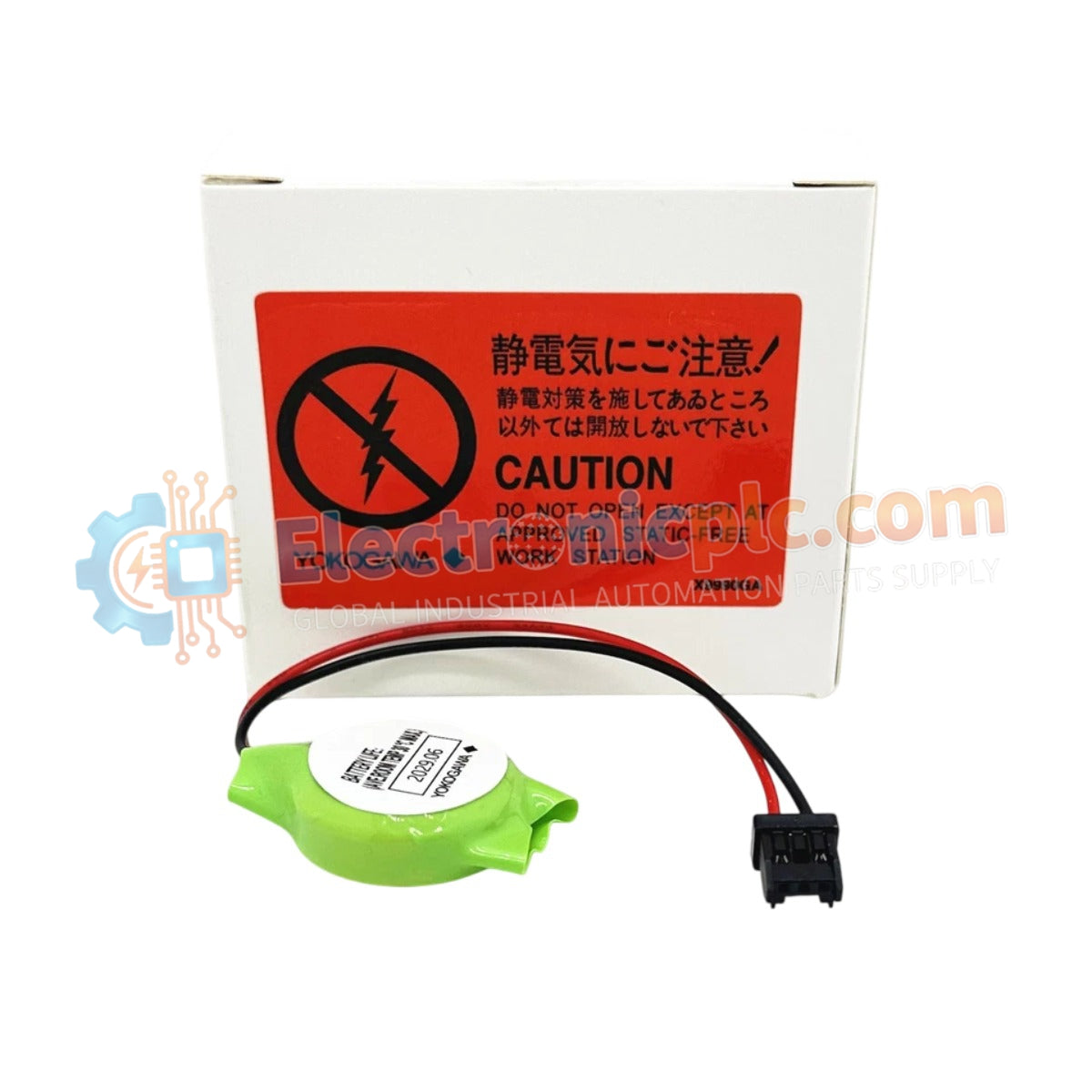
تعمل بطارية Yokogawa S9450FE، والمُفهرسة أيضًا باسم بطارية S9450FE الليثيوم أيون القابلة لإعادة الشحن، كمكوّن مخصص للأجهزة لتوفير الطاقة الاحتياطية ضمن منصات ESS وFGS. تحافظ هذه الخلية على تخزين الطاقة الموضعي للاحتفاظ بالذاكرة ومزامنة ساعة النظام أثناء انقطاعات الطاقة الأساسية.
يتم توفير S9450FE كوحدة بطارية صناعية ذات صيغة واحدة. لا يتم تعيين أي لواحق متغيرة لهذا النموذج فيما يتعلق بمخرجاته الكهربائية؛ ومع ذلك، يجب على المستخدمين التحقق من التوافق مع اللوحة الخلفية المستهدفة أو فتحة المعالج، مثل وحدة المعالجة S2CP471، قبل الإدخال.
| المعلمة | المواصفات |
|---|---|
| النموذج | S9450FE |
| العلامة التجارية | Yokogawa |
| الأصل | اليابان |
| الوزن | غير محدد (خلية خفيفة الوزن) |
| الأبعاد | غير محددة (عامل شكل الخلية الصناعية القياسية) |
| درجة حرارة التشغيل | حتى 30 درجة مئوية (موصى بها) |
| استهلاك الطاقة | لا ينطبق (مصدر إخراج) |
| الجهد الاسمي | 3 فولت |
| طريقة الشحن | تيار ثابت / جهد ثابت |
| التوافق | Yokogawa ESS, FGS, معالج S2CP471 |
يتطلب تطبيق تخزين طاقة الليثيوم في بنيات DCS الحساسة للسلامة التزامًا صارمًا بمبادئ العزل من قناة إلى قناة. تستخدم وحدة S9450FE ملامح استقرار حراري متكاملة لمنع تيارات التسرب أثناء دورات التفريغ. في بيئات ProSafe-RS، توفر الخلية مستويات الجهد الضرورية للحفاظ على حالات الذاكرة المتطايرة. يتم حماية سلامة بروتوكول حلقة HART 4-20 مللي أمبير المتسق أثناء انتقالات الطاقة من خلال الاستجابة السريعة لمكون تخزين الطاقة هذا، مما يضمن احتفاظ معالج منطق التحكم بحالته التشغيلية دون الحاجة إلى تهيئة تشغيل بارد كامل.
س: هل يمكن شحن S9450FE أثناء تثبيتها في وحدة المعالجة؟
ج: نعم، تدعم الوحدة خطط الشحن بالتيار الثابت/الجهد الثابت التي توفرها الدوائر الداخلية للمعالج المضيف، مثل S2CP471.
س: ما هي دورة الاستبدال الإلزامية لمنع تسرب البطارية؟
ج: فترة الاستبدال الموصى بها هي ثلاث سنوات عندما تعمل الوحدة في درجات حرارة محيطة تبلغ 30 درجة مئوية أو أقل. تجاوز هذا الحد الحراري سيسرع التدهور الكيميائي.


