
سلة التسوق الخاصة بي
0 عنصرًا
قطع غيار أصلية للأتمتة | توصيل سريع عالمي | ضمان لمدة 12 شهرًا — [احصل على عرض سعر]

تعمل وحدة YOKOGAWA SB301 S1، المصنفة أيضاً باسم وحدة الواجهة SB301، كمكون أجهزة مخصص لتكييف مسار الإشارة ضمن منصات التحكم في عمليات أنظمة التحكم الموزعة (DCS). توفر هذه الوحدة تنفيذاً فيزيائياً/كهربائياً مباشراً...
التوافر: في الأوراق المالية
توصيل موثوق به في جميع أنحاء العالم
ضمان استرداد الأموال خلال 30 يومًا
هل تحتاج إلى مزيد من التفاصيل؟ اقرأ سياسة الشحن وسياسة الاسترداد الكاملة.


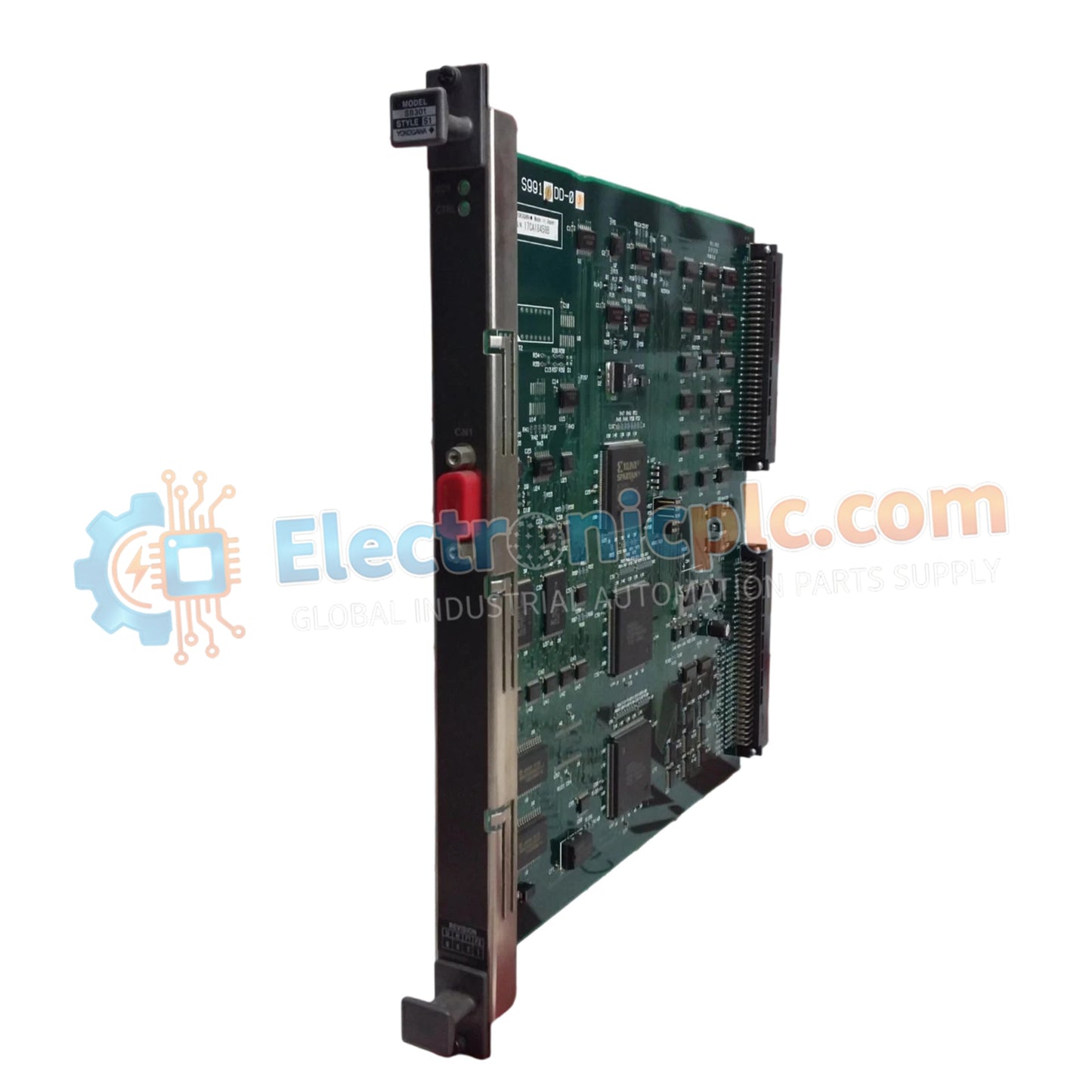
تعمل وحدة YOKOGAWA SB301 S1، المصنفة أيضاً باسم وحدة الواجهة SB301، كمكون أجهزة مخصص لتكييف مسار الإشارة ضمن منصات التحكم في عمليات أنظمة التحكم الموزعة (DCS). توفر هذه الوحدة تنفيذاً فيزيائياً/كهربائياً مباشراً لربط الأجهزة الميدانية بلوحة النظام الخلفية، مما يضمن نقل بيانات مستقراً عبر حلقات التحكم.
| المعلمة | المواصفات |
| الموديل | SB301 S1 |
| العلامة التجارية | YOKOGAWA |
| المنشأ | اليابان |
| الوزن | 0.3 كجم |
| الأبعاد | 2.5 سم × 26.0 سم × 24.8 سم |
| درجة حرارة التشغيل | -20 درجة مئوية إلى 70 درجة مئوية |
| استهلاك الطاقة | 5 واط عادةً |
| الوظيفة | وحدة واجهة |
تم تصميم SB301 S1 للحفاظ على سلامة حلقة عالية، مما يسهل نقل إشارة بروتوكول HART ذات الحلقة 4-20 مللي أمبير بشكل ثابت. وهي مُكوّنة لتوفير عزل بين القنوات، مما يمنع تداخل الوضع المشترك في خزانات الأجهزة متعددة الحلقات. تم تحسين تصميم الأجهزة لتقليل مقاومة الاتصال، مما يقلل من انجراف الإشارة أثناء التشغيل طويل الأجل في بيئات التحكم في العمليات الحرجة.
س: هل وحدة SB301 S1 قابلة للتبديل السريع؟
ج: لا تدعم الوحدة التبديل السريع. يجب عزل طاقة النظام قبل إزالة الوحدة من اللوحة الخلفية أو إدخالها فيها لمنع أي ضرر كهربائي محتمل لأطراف الواجهة أو المنطق الداخلي.
س: هل يمكن استخدام هذه الوحدة في تكوين إدخال/إخراج زائد عن الحاجة؟
ج: نعم، تتوافق SB301 S1 مع بنى الإدخال/الإخراج الزائدة عن الحاجة. تأكد من ضبط تكوين البرنامج المطابق ليناسب الموضع الفعلي للوحدة لتمكين الانتقال الصحيح عند الفشل.
تحقق من أن سطح التثبيت على سكة DIN أو الهيكل نظيف ويوفر مرجعًا أرضيًا كهربائيًا قويًا لغلاف الوحدة.
قم بمحاذاة وحدة الواجهة بعناية مع موصل اللوحة الخلفية قبل تطبيق الضغط. لا تُجبر الوحدة؛ تأكد من أن الأطراف مستقرة بشكل صحيح لتجنب الانحناء.
أحكم ربط براغي تثبيت الوحدة بعزم الدوران المحدد للحفاظ على الاستقرار الميكانيكي المناسب وضغط الاتصال الكهربائي.
وجّه أسلاك المجال بعيداً عن خطوط التيار المتردد عالية الجهد لتقليل التداخل الكهرومغناطيسي (EMI). استخدم كابلات محمية وقم بتأريض الدرع عند نقطة واحدة مخصصة للحفاظ على دقة الإشارة.
بعد التركيب، تحقق من حالة الوحدة عبر واجهة تكوين DCS للتأكد من التعرف على الأجهزة واجتياز الفحوصات التشخيصية.


