انتقل إلى معلومات المنتج
1 ل 3

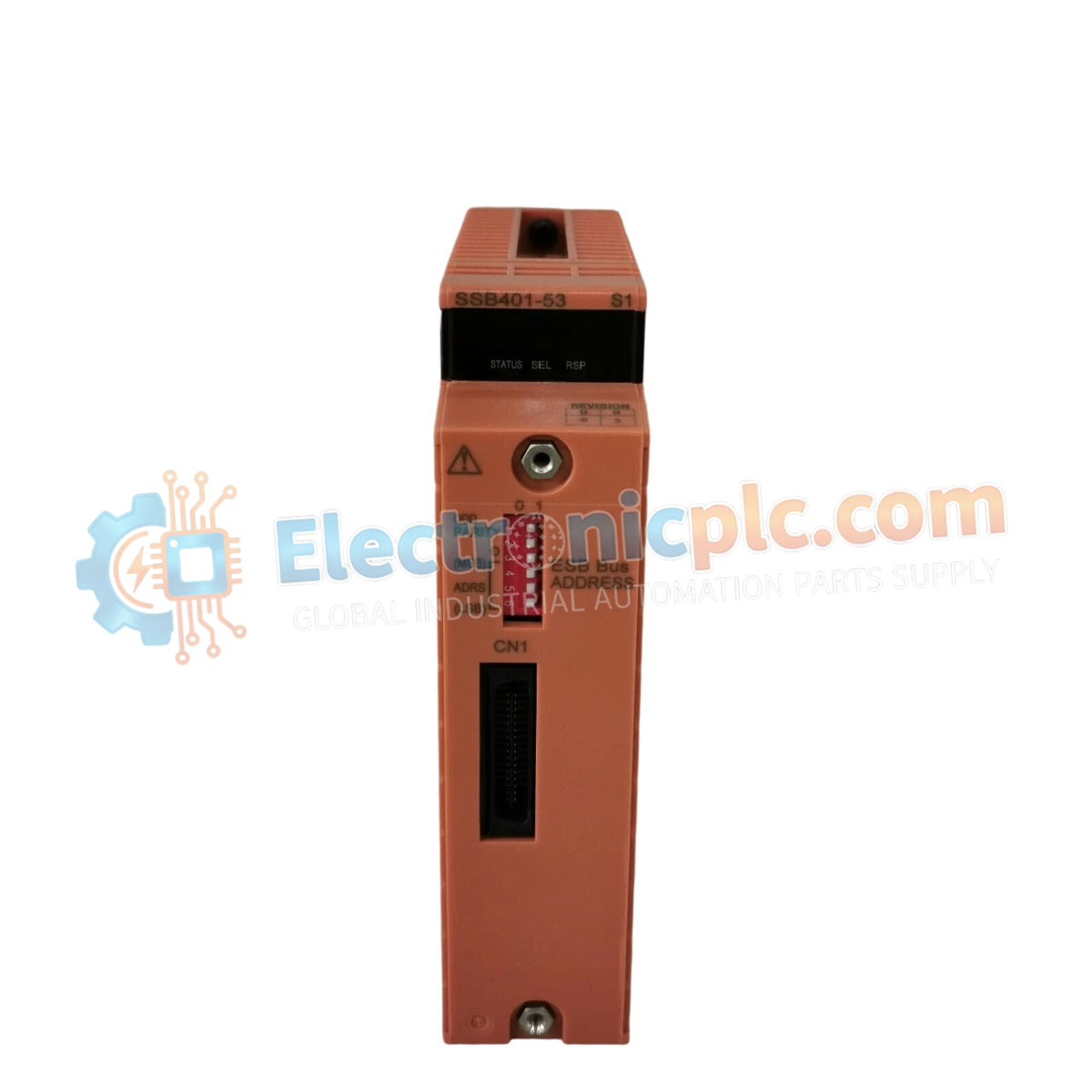
Yokogawa SSB401-53 ESB Bus Interface Slave Module

Yokogawa SSB401-53 ESB Bus Interface Slave Module

Configured for high-speed safety communication in ProSafe-RS SIS network platforms, the Yokogawa SSB401-53 (SSB401 ESB Bus Interface Slave Module) provides direct physical/electrical execution. This hardware component serves as the primary...

29 يشاهد الناس هذا الآن

التوافرفي الأوراق المالية

رمز المنتج: SSB401-53 S1
بائع: Yokogawa

الشحن والإرجاع

توصيل موثوق به في جميع أنحاء العالم

  • شركات الشحن: يتم الشحن عبر DHL أو FedEx أو UPS أو USPS .
  • الشحن: تتم معالجة الطلبات خلال يوم عمل واحد إلى يومين، ويتم شحنها خلال 3 إلى 5 أيام عمل .
  • التتبع: يتم توفير تفاصيل التتبع الكاملة عبر البريد الإلكتروني عند الشحن.

ضمان استرداد الأموال خلال 30 يومًا

  • الضمان: فترة إرجاع لمدة 30 يومًا للمنتجات المتوفرة في المخزون والمغلفة من المصنع.
  • الشروط: يجب أن تكون المنتجات غير مفتوحة وغير مستخدمة وفي عبوتها الأصلية.
  • الأصالة: نضمن أن تكون الأجهزة أصلية 100% .

هل تحتاج إلى مزيد من التفاصيل؟ اقرأ سياسة الشحن وسياسة الاسترداد الكاملة.

الأصالة والضمان

  • ضمان أصلي: نحن نوفر فقط قطع غيار أصلية 100%، جديدة تمامًا، ومغلقة من المصنع .
  • تغطية كاملة: كل مكون مدعوم بضمان شامل لمدة 12 شهرًا من تاريخ الشراء.
  • إمكانية التتبع: جميع المنتجات تأتي مع وثائق المصنع الأصلية والملحقات اللازمة للامتثال الكامل للمعايير الصناعية.

الدعم الفني والتوريد

  • مساعدة الخبراء: يقدم فريقنا الفني استشارات مجانية لمساعدتك في التحقق من التوافق مع أنظمة DCS و PLC.
  • مصادر القطع النادرة: متخصصون في المكونات القديمة والتي يصعب العثور عليها من Allen-Bradley و Siemens و ABB و HIMA وغيرها.
  • للاستفسارات المتعلقة بالكميات الكبيرة: تواصلوا معنا على pambo@5gplc.com للحصول على أسعار الكميات الكبيرة أو عروض أسعار المشاريع المخصصة.
عرض تفاصيل المنتج الكاملة

Configured for high-speed safety communication in ProSafe-RS SIS network platforms, the Yokogawa SSB401-53 (SSB401 ESB Bus Interface Slave Module) provides direct physical/electrical execution. This hardware component serves as the primary SSB401 slave module utilized to execute connectivity between safety node units (SNB10D) and the ESB bus across safety-critical control platforms.

Suffix Breakdown & Model Matrix

  • SSB401: Base model for ESB bus interface slave communication.
  • -53: Configuration identifier for ProSafe-RS safety integration.
  • S1: Hardware revision and standard functional code.

Hardware Specifications

Parameter Specification
Model SSB401-53 S1
Brand Yokogawa
Origin Japan
Weight 0.5kg
Dimensions Standard I/O module footprint
Operating Temp -20 to 70 deg C
Power Consumption 10 W
Communication Speed 1 Mbps
Max Bus Length 1,000 meters

SIS Safety Integrity and Redundant Communication

The SSB401-53 facilitates fail-safe state execution through the maintenance of high-speed, redundant communication paths across the ESB bus. The module is engineered for strict compliance with IEC 61508 safety standards, ensuring that communication between the safety controller and the SNB10D safety node units remains deterministic. The module architecture supports galvanic isolation to protect the safety bus from transient electrical faults and provides the necessary data integrity checks required for SIL-rated safety instrumentation systems.

Frequently Asked Questions

Q: Does the SSB401-53 support hot-swapping while the safety system is active?

A: Yes, this module supports hot-swapping for maintenance. Ensure the local safety processor has acknowledged the module removal to prevent a false trip condition, and always verify system diagnostic status after insertion.

Q: Can the 1,000-meter ESB bus limit be exceeded using signal repeaters?

A: No. The 1,000-meter limit is defined by the propagation delay and signal integrity requirements of the ESB bus protocol. Exceeding this length compromises the deterministic timing required for IEC 61508 compliance.

Field Installation Guidelines

  • Mounting: Install the module into the designated slot on the safety node base unit. Confirm that the connector alignment pins are seated properly before fully engaging the module locking mechanism.
  • Redundancy: When implementing redundant ESB bus paths, ensure both A and B bus cables are routed through physically separate cable trays to prevent a single physical event from disabling both communication paths.
  • Grounding: Secure the module chassis to the rack using the provided grounding points to maintain the electromagnetic shielding integrity required for safety system reliability.
  • Termination: Verify that the ESB bus is properly terminated at both ends of the segment to prevent signal reflections that could lead to intermittent communication errors.