
سلة التسوق الخاصة بي
0 عنصرًا
قطع غيار أصلية للأتمتة | توصيل سريع عالمي | ضمان لمدة 12 شهرًا — [احصل على عرض سعر]

تم تصميم YOKOGAWA YCB301-C500 (كابل ناقل ESB YCB301) للربط البيني عالي السرعة للإشارات بين عقد الشبكة، ويوفر تنفيذًا كهربائيًا ماديًا مباشرًا لنقل البيانات ضمن بنيات التحكم CENTUM VP. تستخدم مجموعة...
التوافر: في الأوراق المالية
توصيل موثوق به في جميع أنحاء العالم
ضمان استرداد الأموال خلال 30 يومًا
هل تحتاج إلى مزيد من التفاصيل؟ اقرأ سياسة الشحن وسياسة الاسترداد الكاملة.
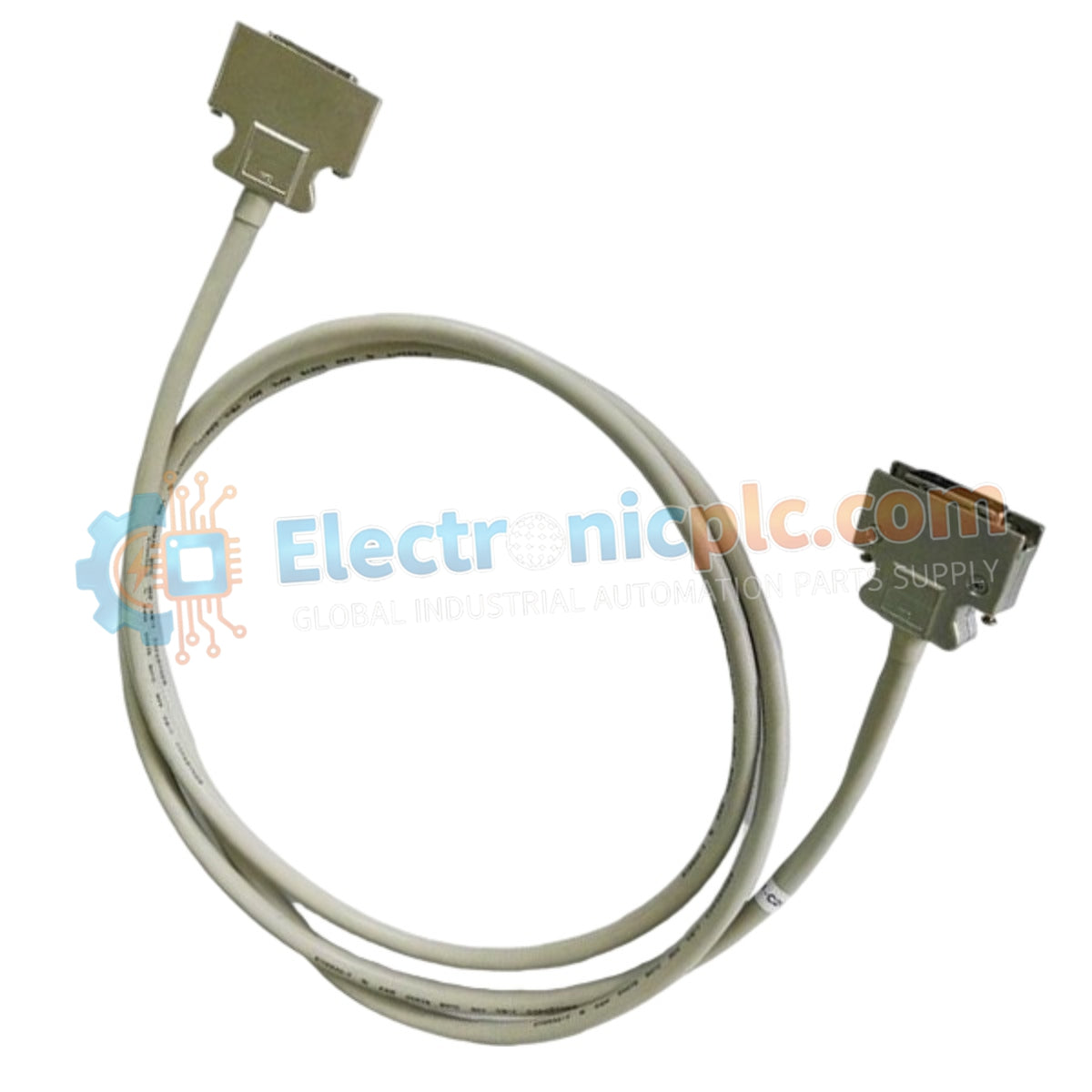
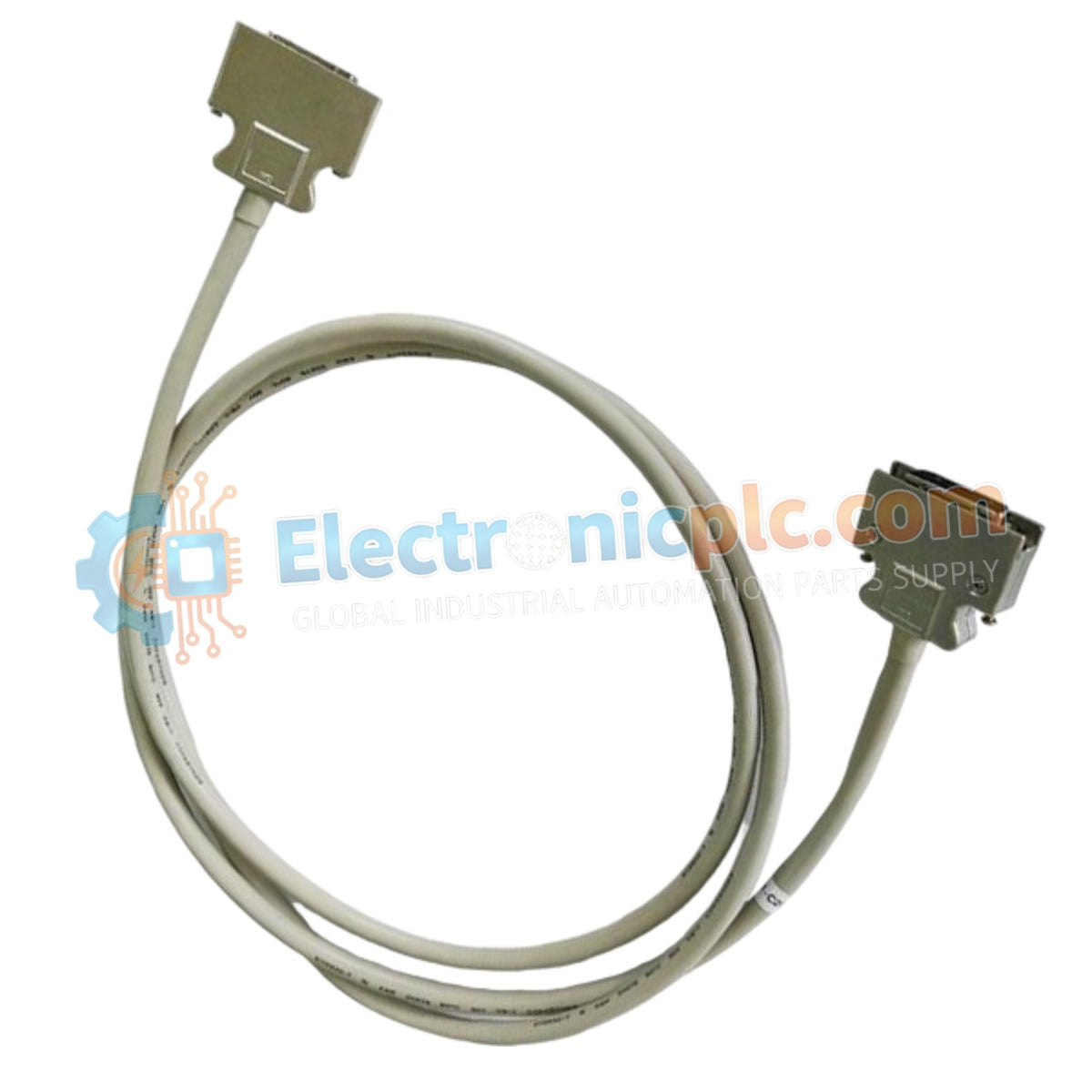
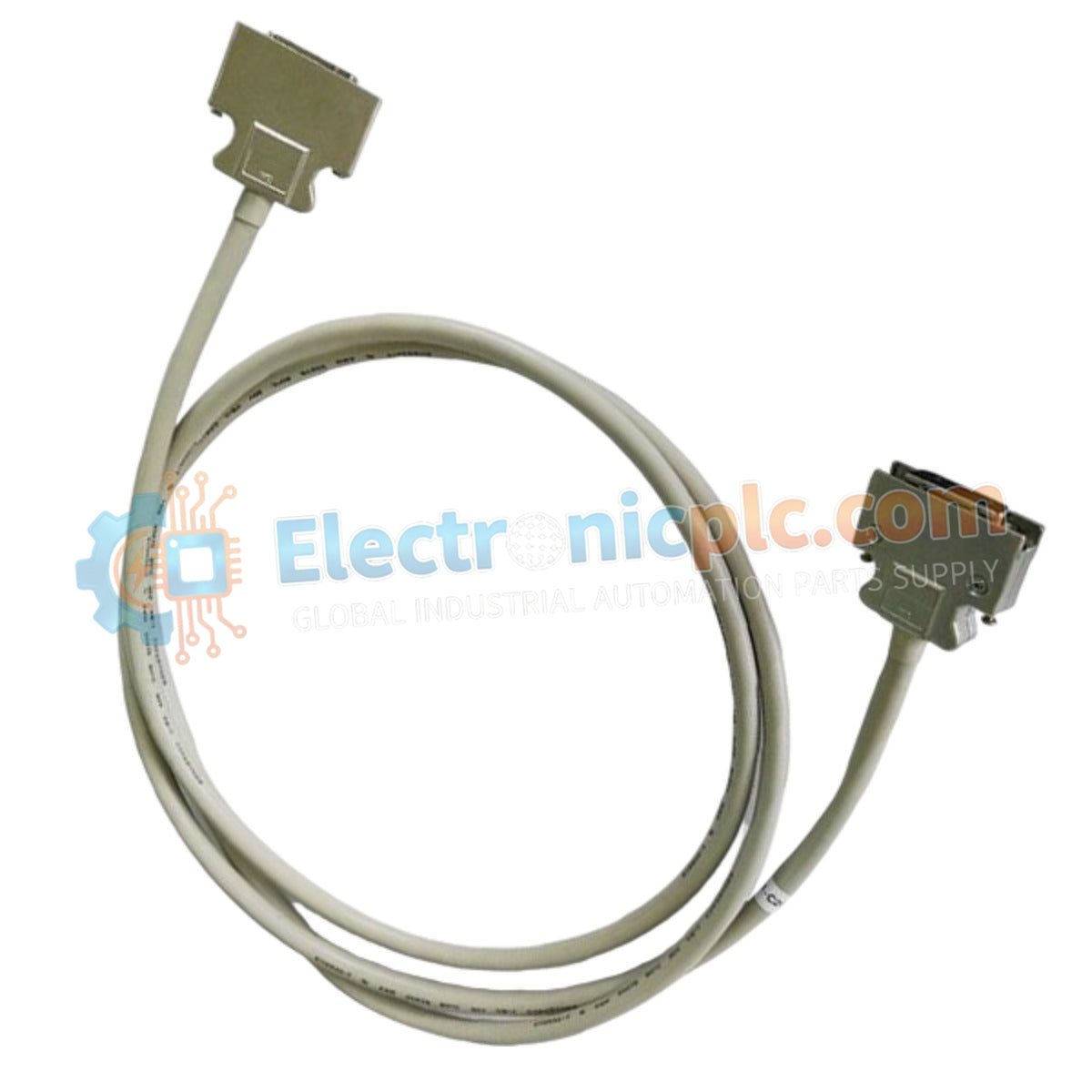
تم تصميم YOKOGAWA YCB301-C500 (كابل ناقل ESB YCB301) للربط البيني عالي السرعة للإشارات بين عقد الشبكة، ويوفر تنفيذًا كهربائيًا ماديًا مباشرًا لنقل البيانات ضمن بنيات التحكم CENTUM VP. تستخدم مجموعة الكابلات هذه واجهة من 36 سنًا إلى 36 سنًا للحفاظ على روابط اتصال حتمية عبر نظام التحكم الموزع.
| المعلمة | المواصفات |
| النموذج | YCB301-C500 |
| العلامة التجارية | YOKOGAWA |
| المنشأ | اليابان |
| الوزن | 2.0 كجم |
| الأبعاد | 2 متر (6.56 قدم) |
| تكوين المسامير | 36-36 مسمارًا |
| درجة حرارة التشغيل | المعيار الصناعي |
| نوع الكابل | ناقل ESB |
تم تصميم YCB301-C500 لتسهيل تبادل البيانات الموثوق به من خلال الحفاظ على خصائص مقاومة ثابتة عبر واجهة 36 سنًا. يدعم هذا الاتصال عالي الكثافة انتشار إشارات ناقل ESB، مما يضمن بقاء توقيت البيانات وسعة الإشارة ضمن المعلمات المحددة بدقة المطلوبة لشبكات CENTUM VP المتسامحة مع الأخطاء. يتم دمج التدريع المناسب والبناء الميكانيكي في التجميع للتخفيف من مخاطر التداخل الكهرومغناطيسي (EMI) في بيئات الخزانات الصناعية عالية الضوضاء.
س: هل هذا الكابل مناسب للاستخدام في المناطق عالية الاهتزاز؟
ج: نعم، تم تصميم موصلات الكابلات للتثبيت الآمن على لوحات الوحدات، مما يوفر احتفاظًا ميكانيكيًا يقاوم الارتخاء بسبب أنماط الاهتزاز الصناعي. تأكد من أن مشابك قفل الموصل مثبتة بالكامل عند التركيب.
س: هل يمكن تمديد طول 2 متر عن طريق ربط كابلات YCB301 متعددة؟
ج: لا، تفرض بنية ناقل ESB قيودًا صارمة على أطوال الكابلات وتوقيت الإشارة. يمكن أن يؤدي تمديد الناقل بما يتجاوز مواصفات التصميم إلى تدهور الإشارة ومهل زمنية للاتصال. استخدم فقط الطول المطلوب للتثبيت المحدد.
افحص كلا الموصلين ذوي الـ 36 سنًا بحثًا عن مسامير مثنية أو مؤكسدة قبل التركيب. يمكن أن يؤدي الاتصال الضعيف للمسامير إلى أخطاء متقطعة في الاتصال بالناقل.
عند توجيه الكابل، حافظ على نصف قطر الانحناء الأدنى المحدد بواسطة بنية الكابل لمنع إجهاد الموصل الداخلي أو تلف الدرع.
حافظ على فصل كابل ناقل ESB ماديًا عن خطوط الطاقة عالية الجهد وكابلات محرك التيار المتردد لتقليل اقتران الضوضاء الاستقرائية.
قم بمحاذاة الموصل رأسيًا مع منفذ الوحدة وادفعه بقوة حتى تستقر آلية القفل في وضع التثبيت.
قم بتثبيت الكابل بهيكل الخزانة باستخدام أربطة الكابلات أو قنوات إدارة الكابلات، مع التأكد من أن الموصل ليس تحت ضغط أو إجهاد مادي.


