انتقل إلى معلومات المنتج
1 ل 3

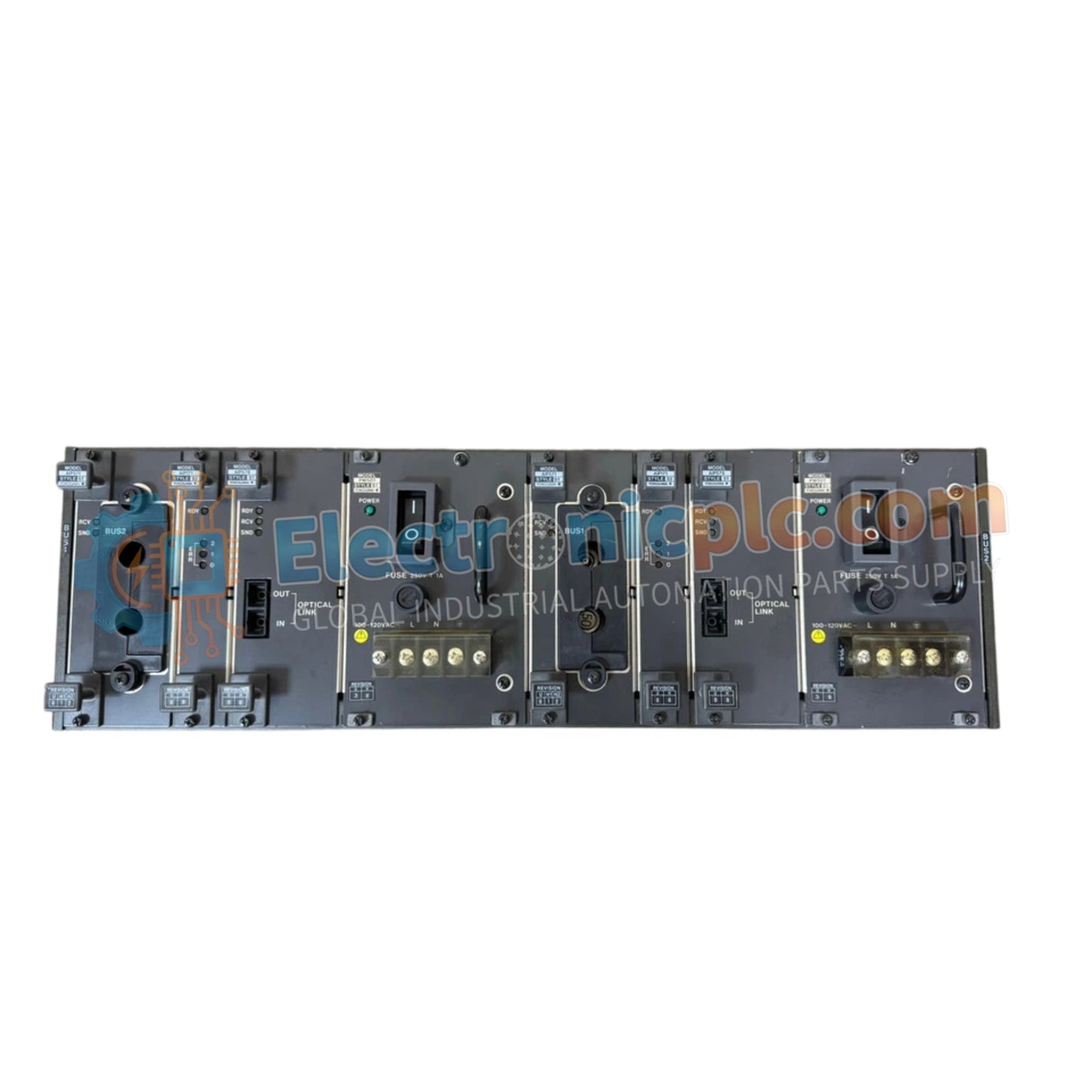
YOKOGAWA YNT511D-P42/KT Optical Bus Repeater Module

YOKOGAWA YNT511D-P42/KT Optical Bus Repeater Module

The YOKOGAWA YNT511D-P42/KT, also cataloged as the YNT511D-P42/KT Optical Bus Repeater Module, operates as a dedicated hardware component for chassis-level optical bus management and signal distribution within Centum VP and...

25 يشاهد الناس هذا الآن

التوافرفي الأوراق المالية

رمز المنتج: YNT511D-P42/KT
بائع: Yokogawa

الشحن والإرجاع

توصيل موثوق به في جميع أنحاء العالم

  • شركات الشحن: يتم الشحن عبر DHL أو FedEx أو UPS أو USPS .
  • الشحن: تتم معالجة الطلبات خلال يوم عمل واحد إلى يومين، ويتم شحنها خلال 3 إلى 5 أيام عمل .
  • التتبع: يتم توفير تفاصيل التتبع الكاملة عبر البريد الإلكتروني عند الشحن.

ضمان استرداد الأموال خلال 30 يومًا

  • الضمان: فترة إرجاع لمدة 30 يومًا للمنتجات المتوفرة في المخزون والمغلفة من المصنع.
  • الشروط: يجب أن تكون المنتجات غير مفتوحة وغير مستخدمة وفي عبوتها الأصلية.
  • الأصالة: نضمن أن تكون الأجهزة أصلية 100% .

هل تحتاج إلى مزيد من التفاصيل؟ اقرأ سياسة الشحن وسياسة الاسترداد الكاملة.

الأصالة والضمان

  • ضمان أصلي: نحن نوفر فقط قطع غيار أصلية 100%، جديدة تمامًا، ومغلقة من المصنع .
  • تغطية كاملة: كل مكون مدعوم بضمان شامل لمدة 12 شهرًا من تاريخ الشراء.
  • إمكانية التتبع: جميع المنتجات تأتي مع وثائق المصنع الأصلية والملحقات اللازمة للامتثال الكامل للمعايير الصناعية.

الدعم الفني والتوريد

  • مساعدة الخبراء: يقدم فريقنا الفني استشارات مجانية لمساعدتك في التحقق من التوافق مع أنظمة DCS و PLC.
  • مصادر القطع النادرة: متخصصون في المكونات القديمة والتي يصعب العثور عليها من Allen-Bradley و Siemens و ABB و HIMA وغيرها.
  • للاستفسارات المتعلقة بالكميات الكبيرة: تواصلوا معنا على pambo@5gplc.com للحصول على أسعار الكميات الكبيرة أو عروض أسعار المشاريع المخصصة.
عرض تفاصيل المنتج الكاملة

The YOKOGAWA YNT511D-P42/KT, also cataloged as the YNT511D-P42/KT Optical Bus Repeater Module, operates as a dedicated hardware component for chassis-level optical bus management and signal distribution within Centum VP and Centum CS distributed control system (DCS) architectures.

Hardware Specifications

Parameter Specification
Model YNT511D-P42/KT
Brand YOKOGAWA
Origin Japan
Weight 3.6 kg
Dimensions 48.3 cm x 17.8 cm x 30.5 cm
Operating Temp Standard industrial range
Power Consumption 60 mA max at 24 VDC
Isolation 1 kV DC
Rack Format 19-inch
Capacity 13 slots for Optical ESB Bus Repeater Modules

Industrial Network Signal Conditioning

The YNT511D-P42/KT serves as the primary rack-based enclosure for managing multiple optical ESB bus repeater modules. It provides the necessary backplane connectivity and power distribution to support up to 13 repeater modules, facilitating the expansion of DCS network topology across wide-area process installations. The unit is engineered with 1 kV DC isolation to protect sensitive optical transceiver circuitry from common-mode voltage transients and ground potential differences often encountered in large-scale rack-mounted instrumentation cabinets.

Frequently Asked Questions

Q: Does the YNT511D-P42/KT require any external software configuration?

A: The chassis itself acts as a passive backplane and power distribution unit. However, the individual optical ESB bus repeater modules installed within the 13 slots must be configured according to the specific network node address map of the DCS.

Q: Can the 13 slots be mixed with different types of repeater modules?

A: The slots are designed for Optical ESB Bus Repeater Modules. Mixing incompatible module series may result in bus communication errors; refer to the specific system manual to ensure the repeater modules are compatible with the backplane bus architecture of the YNT511D.

Field Installation Guidelines

  • Install the 19-inch rack-mount chassis in a cabinet with adequate clearance above and below to ensure convective air flow, as thermal buildup can reduce the lifespan of the optical interface components.
  • Verify that the 24 VDC power supply input is stable and filtered, as current spikes from multiple modules could potentially introduce noise into the optical transceiver circuits.
  • Ensure that all unused module slots are fitted with blanking plates to maintain the internal cabinet pressure and prevent the ingress of dust, which could contaminate the backplane connectors.
  • Route optical fiber cables with careful attention to the minimum bend radius specifications to avoid signal loss or physical breakage of the glass core.
  • Ground the chassis securely to the main instrumentation cabinet ground bus to maintain the 1 kV DC isolation integrity and mitigate electromagnetic interference (EMI).