
Carrito
0 artículos
¿Tienes una cuenta?
Inicia sesión para finalizar tus compras con mayor rapidez.
Repuestos originales de automatización | Envío exprés a todo el mundo | Garantía de 12 meses — [Solicite presupuesto]

Configurado para la sincronización de la transmisión de datos en los sistemas de control CENTUM VP, el YOKOGAWA EC402-50 (módulo acoplador de bus ESB EC402-50) proporciona una ejecución física y...
Disponibilidad: Bajas existencias: quedan 99
Entrega confiable a nivel mundial
Garantía de devolución de dinero de 30 días
¿Necesitas más información? Consulta nuestra Política de envíos y reembolsos completa.

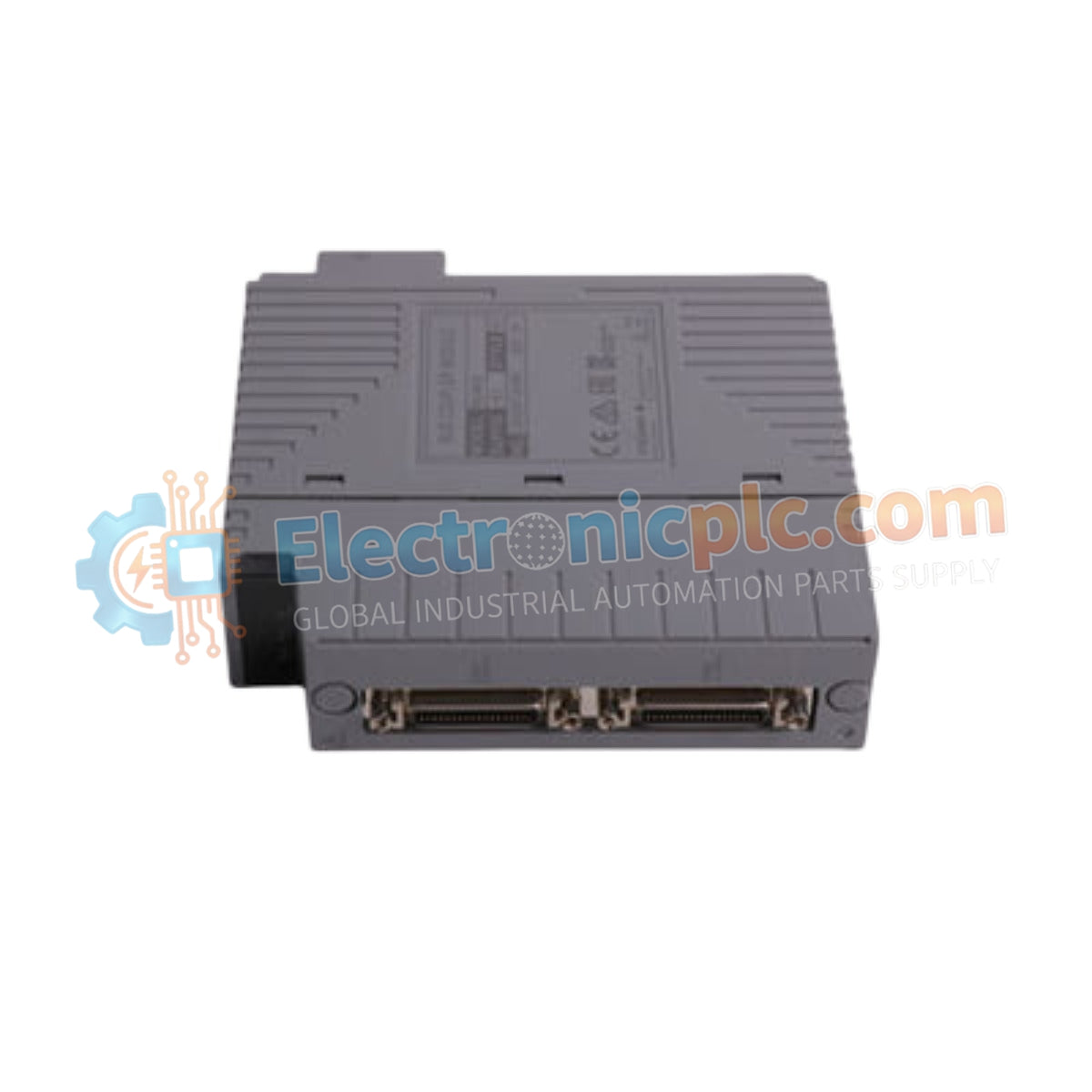
Configurado para la sincronización de la transmisión de datos en los sistemas de control CENTUM VP, el YOKOGAWA EC402-50 (módulo acoplador de bus ESB EC402-50) proporciona una ejecución física y eléctrica directa del acoplamiento de señales de bus ESB entre la estación de control y los nodos de E/S remotos.
| Parámetro | Especificación |
|---|---|
| Modelo | EC402-50 |
| Marca | YOKOGAWA |
| Origen | Japón |
| Peso | 0.12 kg |
| Dimensiones | 10.2 x 8 x 5 cm |
| Temperatura de funcionamiento | Rango industrial estándar |
| Consumo de energía | Sujeto a la alimentación del backplane |
| Interfaz de bus | Bus ESB |
| Tipo de montaje | Montaje en rack |
El módulo EC402-50 mantiene la integridad de la señal a través de protocolos de comunicación de bus ESB de alta velocidad. La arquitectura interna facilita el aislamiento galvánico para mitigar la interferencia de ruido dentro del bucle de control. Al gestionar las funciones de conversión y acoplamiento de la señal, el módulo garantiza un rendimiento constante para los paquetes de datos de E/S. La adaptación de impedancias en toda la arquitectura del bus ESB se controla para evitar reflejos, asegurando que las señales del protocolo de bucle HART de 4-20 mA permanezcan estables en toda la red de control distribuida. La terminación adecuada del bus sigue siendo un requisito para minimizar la distorsión de la señal durante la transferencia de datos de alta velocidad entre la interfaz del bus y los instrumentos de campo.
P: ¿Se puede reemplazar el módulo EC402-50 mientras el sistema está encendido?
R: No, este módulo no admite operaciones de intercambio en caliente. La alimentación de la estación de control debe desenergizarse antes de retirar o instalar el módulo para evitar daños eléctricos en los pines del backplane.
P: ¿Cuál es la función principal del acoplamiento del bus ESB en esta configuración?
R: El módulo actúa como una interfaz que gestiona las señales de comunicación entre la estación de control de campo (FCS) y los nodos de E/S, garantizando una temporización determinista y una coherencia de datos en todo el bus.

