
Carrito
0 artículos
¿Tienes una cuenta?
Inicia sesión para finalizar tus compras con mayor rapidez.
Repuestos originales de automatización | Envío exprés a todo el mundo | Garantía de 12 meses — [Solicite presupuesto]

El detector de conductividad térmica (TCD) Yokogawa K9192QJ funciona como un componente de hardware dedicado para el análisis preciso de la composición de gases y la medición de la concentración...
Disponibilidad: En existencias
Entrega confiable a nivel mundial
Garantía de devolución de dinero de 30 días
¿Necesitas más información? Consulta nuestra Política de envíos y reembolsos completa.


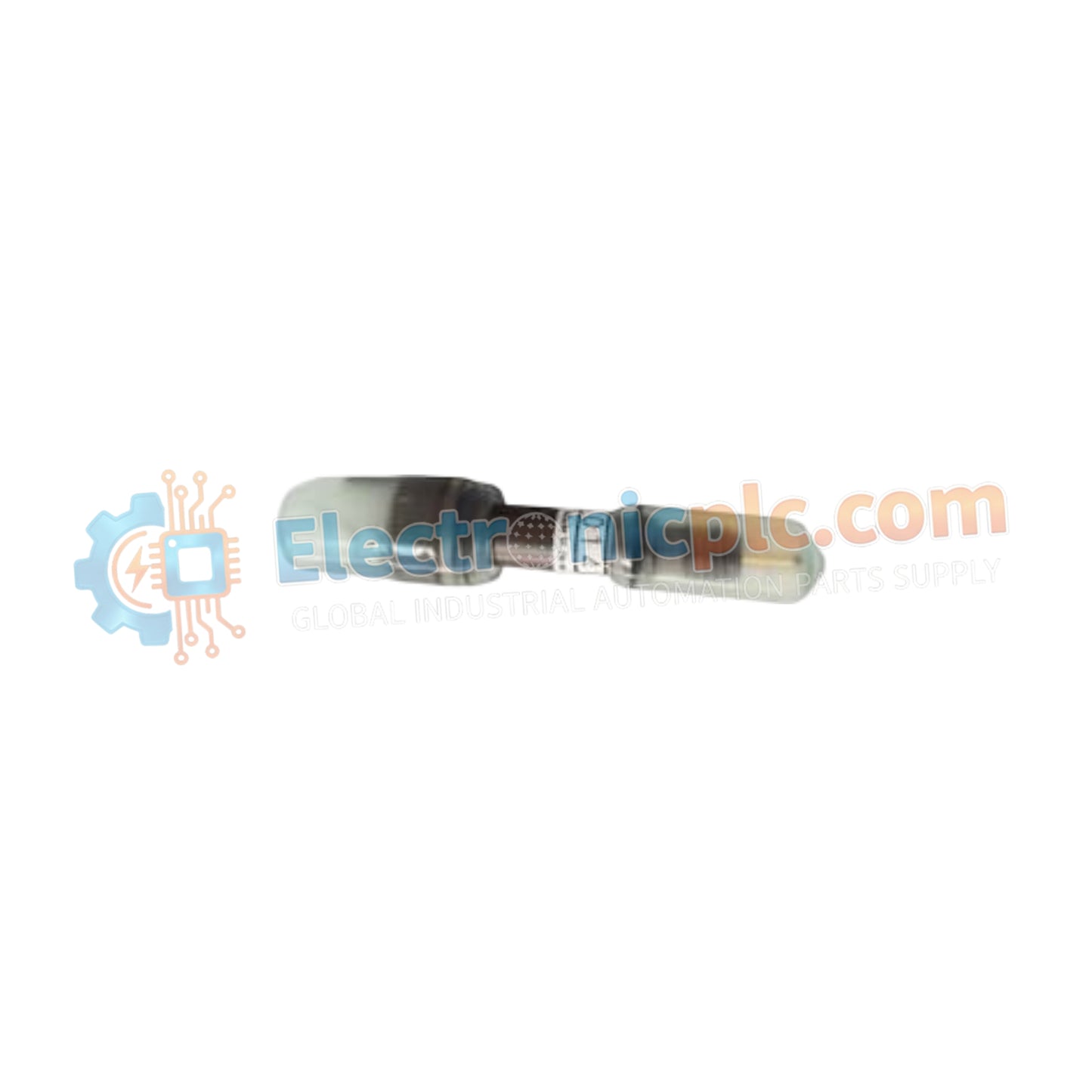
El detector de conductividad térmica (TCD) Yokogawa K9192QJ funciona como un componente de hardware dedicado para el análisis preciso de la composición de gases y la medición de la concentración dentro de los sistemas industriales de cromatografía de gases de proceso.
| Parámetro | Especificación |
|---|---|
| Modelo | K9192QJ |
| Marca | Yokogawa |
| Origen | Japón |
| Peso | 0.45 kg |
| Dimensiones | Factor de forma de módulo analizador estándar |
| Temperatura de funcionamiento | 0 °C a 60 °C |
| Consumo de energía | Requiere excitación de puente de bajo voltaje |
| Principio de medición | Conductividad térmica (resistencia del filamento) |
| Señal de salida | Voltaje de desequilibrio del puente (escala de mV) |
El K9192QJ está diseñado para la detección de gases de alta sensibilidad utilizando un circuito de puente de Wheatstone que consta de filamentos sensibles a la temperatura. A medida que el gas portador fluye a través de los filamentos de detección y referencia, las variaciones en la conductividad térmica, inducidas por la presencia de analitos, provocan cambios en la temperatura del filamento y la resistencia eléctrica. El voltaje de desequilibrio del puente resultante es proporcional a la concentración del componente. Para mantener la integridad de la señal, el módulo presenta una arquitectura de aislamiento de canal a canal, que desacopla eficazmente el puente de medición del ruido de modo común y las fluctuaciones de la fuente de alimentación dentro del gabinete del analizador.
P: ¿El K9192QJ requiere un gas portador específico para un rendimiento óptimo?
R: Sí. La sensibilidad y la estabilidad de la línea base del detector dependen en gran medida de la diferencia en la conductividad térmica entre el gas portador y los analitos de la muestra. El helio o el hidrógeno se utilizan normalmente como gas portador para maximizar la relación señal-ruido.
P: ¿Se puede reemplazar el conjunto de filamentos independientemente del módulo?
R: No. El K9192QJ está calibrado de fábrica como una unidad de detección completa. Intentar reemplazar los filamentos invalidará la calibración de fábrica y probablemente comprometerá la sensibilidad y la linealidad del detector.


