
Carrito
0 artículos
¿Tienes una cuenta?
Inicia sesión para finalizar tus compras con mayor rapidez.
Repuestos originales de automatización | Envío exprés a todo el mundo | Garantía de 12 meses — [Solicite presupuesto]

Configurado para la integración de señales de alta densidad en plataformas de control DCS, el Yokogawa KS1-10/SAI143 (Cable de señal KS1) proporciona una ejecución física directa de la transmisión de...
Disponibilidad: Bajas existencias: quedan 50
Entrega confiable a nivel mundial
Garantía de devolución de dinero de 30 días
¿Necesitas más información? Consulta nuestra Política de envíos y reembolsos completa.
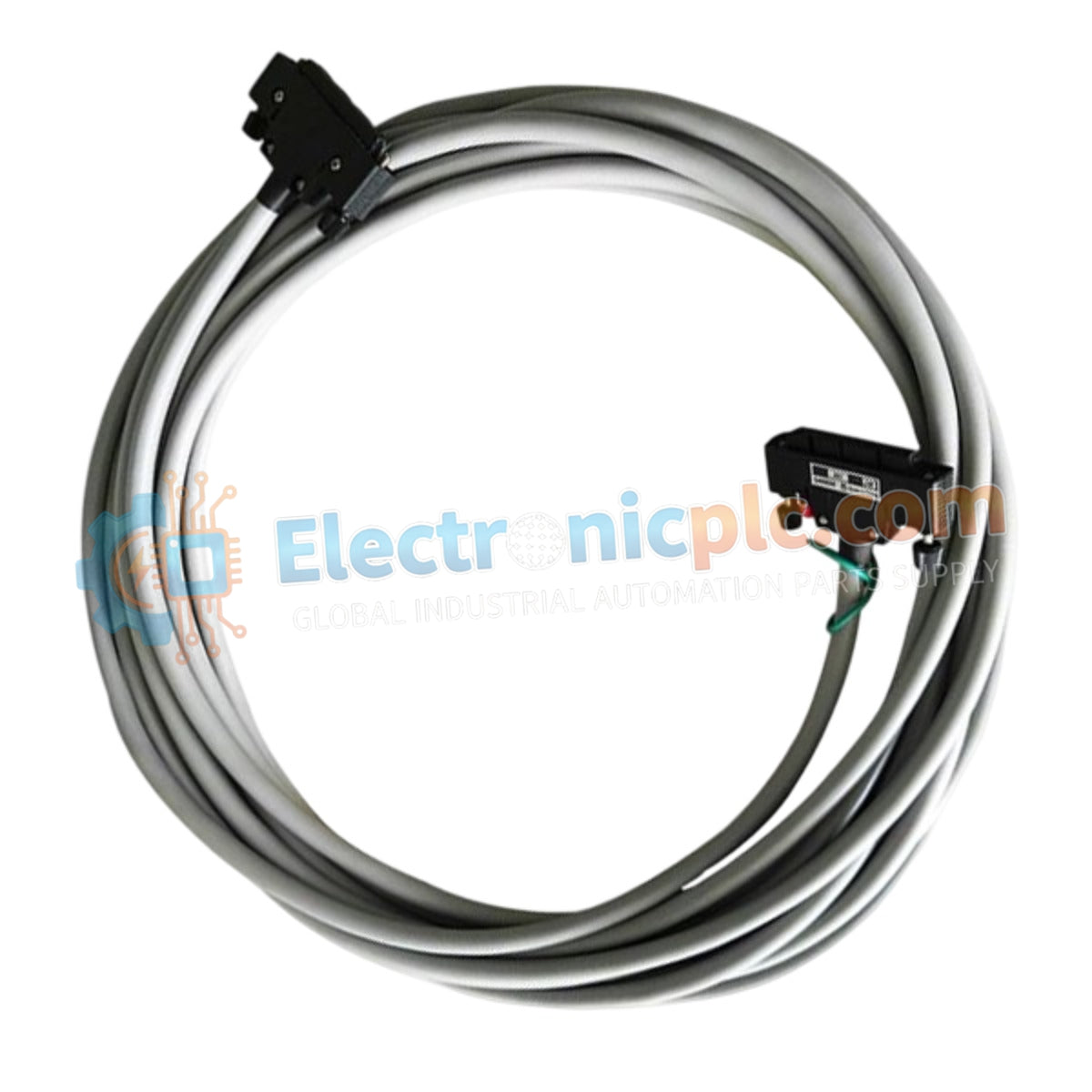
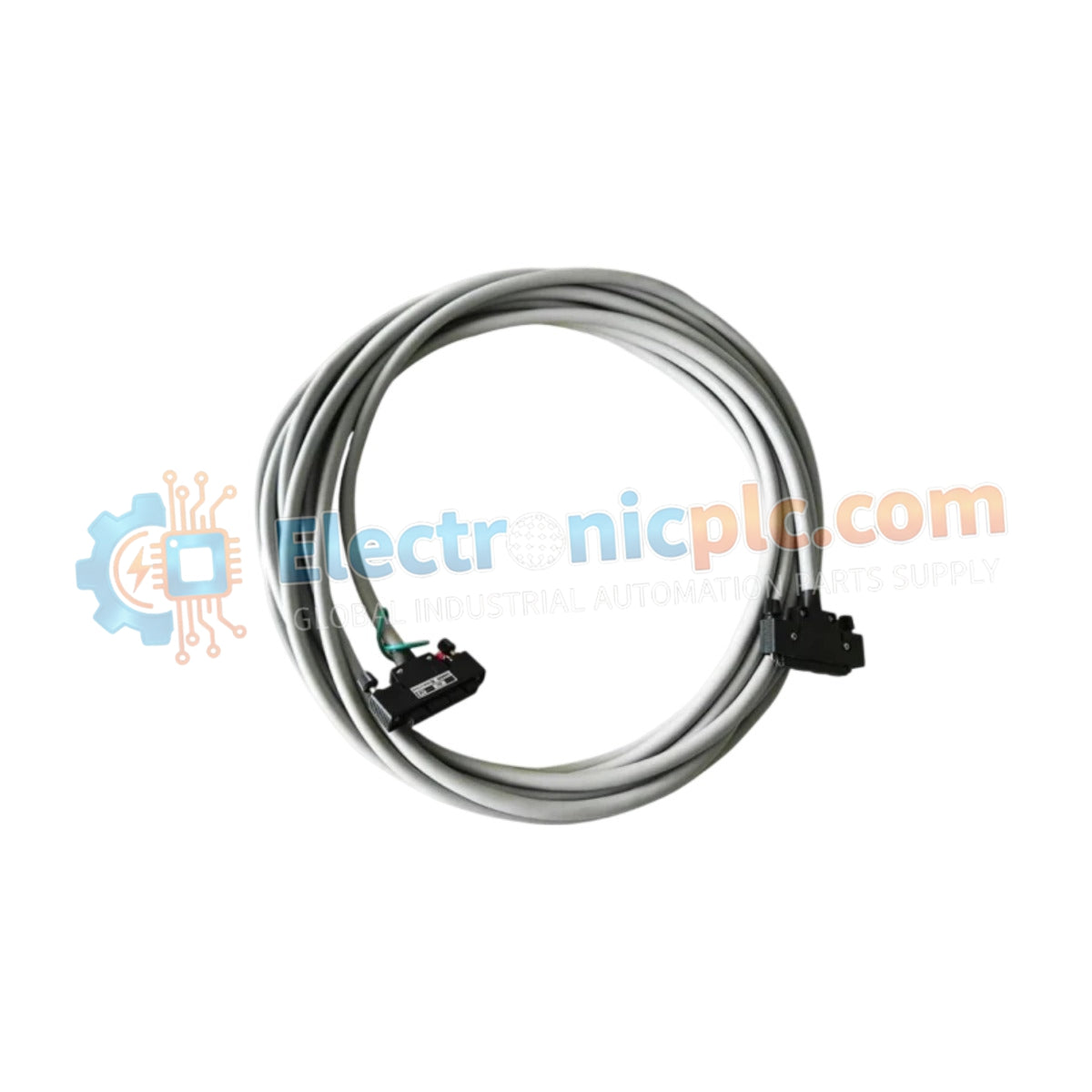
Configurado para la integración de señales de alta densidad en plataformas de control DCS, el Yokogawa KS1-10/SAI143 (Cable de señal KS1) proporciona una ejecución física directa de la transmisión de datos entre los módulos de E/S y los bastidores de alimentación. Este conjunto de cables utiliza una interfaz de 40 pines a 40 pines para garantizar una continuidad eléctrica consistente en toda la infraestructura del armario del sistema.
| Código de sufijo | Especificación |
|---|---|
| KS1 | Serie de cable de señal base |
| -10 | Longitud del cable de 10 m |
| /SAI143 | Designación de compatibilidad para la interfaz del módulo SAI143 |
| 1B* | Estándar de construcción estilo B |
| Parámetro | Especificación |
|---|---|
| Modelo | KS1-10/SAI143 |
| Marca | Yokogawa |
| Origen | Japón |
| Peso | 2.0 kg |
| Dimensiones | 10 m de longitud |
| Temperatura de funcionamiento | -20 °C a +70 °C |
| Consumo de energía | No aplicable (pasivo) |
| Tipo de conector | 40 pines a 40 pines |
| Construcción | Cable aislado de grado industrial |
El KS1-10/SAI143 está diseñado para mantener la fidelidad de la señal en entornos con alta EMI. La robusta geometría del conector de 40 pines garantiza una baja resistencia de contacto, lo cual es vital para prevenir caídas de voltaje en bucles analógicos o errores inducidos por ruido en flujos de bits digitales. El material de aislamiento se selecciona por su resistencia a la degradación térmica, lo que soporta la estabilidad operativa dentro del rango ambiental especificado de -20 °C a +70 °C. El conjunto de cables proporciona una interfaz estable entre los módulos DCS de Yokogawa y los bloques de terminales de campo, asegurando que la integridad de la referencia a tierra se preserve a través de las carcasas del conector.
P: ¿Es este cable adecuado para su uso en áreas con alta vibración?
R: Sí, la carcasa del conector de 40 pines incluye mecanismos de bloqueo diseñados para soportar los niveles de vibración industrial estándar, siempre que el cable esté apoyado a intervalos regulares a lo largo de su ruta de cableado.
P: ¿Se puede extender este cable de 10 m conectando en serie unidades adicionales?
R: No, extender la longitud del cable más allá de la especificación de fábrica puede introducir atenuación de la señal y desajustes de impedancia, lo que puede afectar negativamente el rendimiento de la comunicación con los módulos conectados.


