
Carrito
0 artículos
¿Tienes una cuenta?
Inicia sesión para finalizar tus compras con mayor rapidez.
Repuestos originales de automatización | Envío exprés a todo el mundo | Garantía de 12 meses — [Solicite presupuesto]

La Yokogawa MRT-A, también catalogada como la tarjeta de terminales RTD MRT-A, opera como un componente de hardware dedicado para la terminación y el acondicionamiento de señales de detectores de...
Disponibilidad: En existencias
Entrega confiable a nivel mundial
Garantía de devolución de dinero de 30 días
¿Necesitas más información? Consulta nuestra Política de envíos y reembolsos completa.


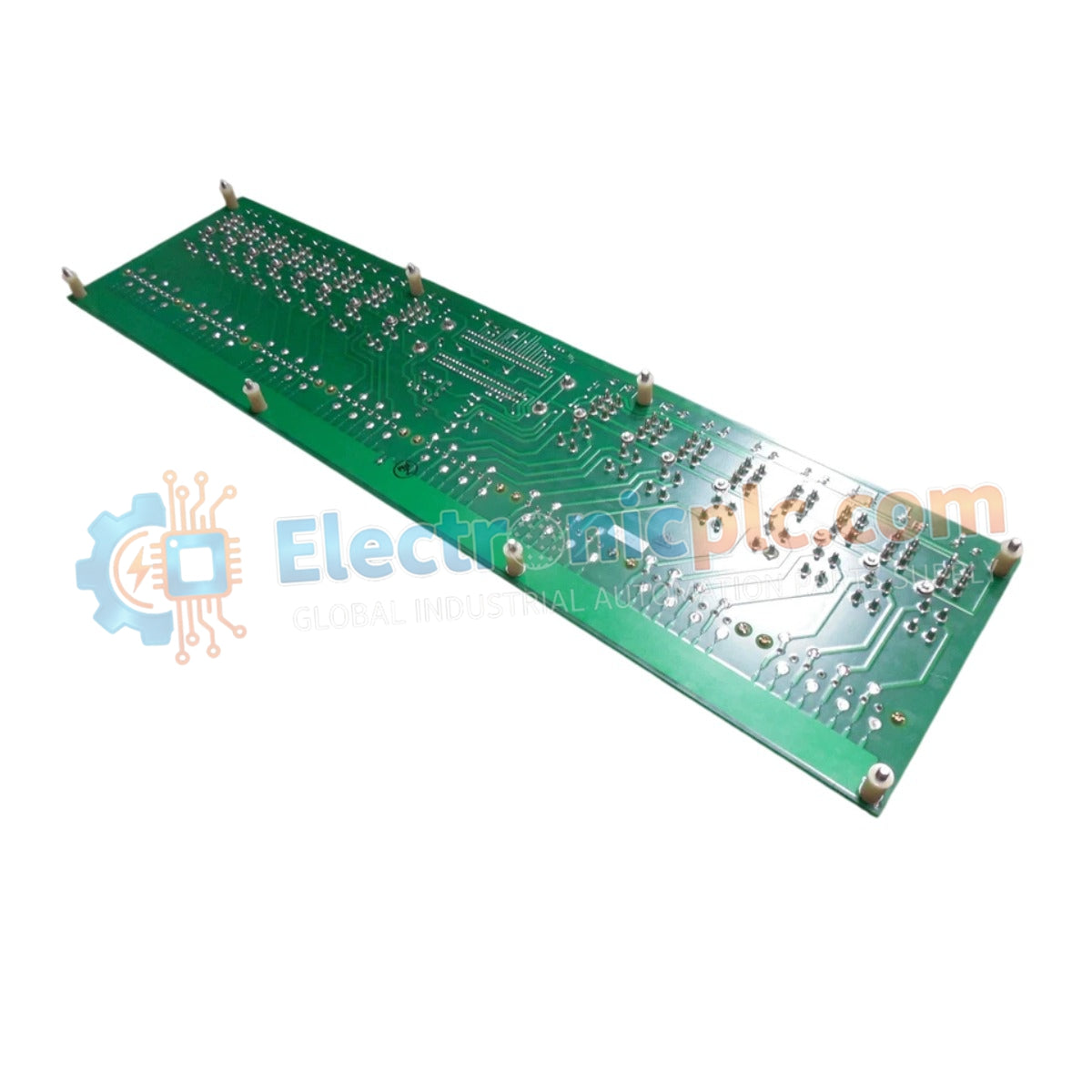
La Yokogawa MRT-A, también catalogada como la tarjeta de terminales RTD MRT-A, opera como un componente de hardware dedicado para la terminación y el acondicionamiento de señales de detectores de temperatura de resistencia (RTD) de 32 canales dentro de plataformas de sistemas de control distribuido (DCS).
| Parámetro | Especificación |
|---|---|
| Modelo | MRT-A |
| Marca | Yokogawa |
| Origen | Japón |
| Peso | 1.8 kg |
| Dimensiones | Formato estándar de montaje en rack |
| Temp. de Operación | 0 a 50 grados C |
| Consumo de Energía | No aplica (Interfaz pasiva) |
| Canales de Entrada | 32 (configuración 16 x 2) |
| Resistencia de Aislamiento | 100 M ohmios mínimo a 500 V CC |
| Tipo de Conexión | Tornillos M4 |
La tarjeta de terminales MRT-A sirve como puente físico entre los RTD montados en campo y los módulos de entrada analógica Yokogawa AMM32C. Diseñada para gestionar 32 puntos de datos, la tarjeta admite la medición precisa de la temperatura al proporcionar conexiones estables y de baja resistencia para configuraciones de RTD de varios hilos. El diseño garantiza una alta resistencia de aislamiento, fundamental para evitar corrientes de fuga que podrían distorsionar las lecturas de temperatura en matrices de control de procesos de alta densidad. Al utilizar terminales de tornillo M4, la tarjeta garantiza estabilidad mecánica y contacto eléctrico consistente para una estabilidad operativa a largo plazo en entornos industriales.
P: ¿Es la tarjeta de terminales MRT-A compatible con otros módulos de entrada analógica de Yokogawa además del AMM32C?
R: La MRT-A está optimizada específicamente para el mapeo de pines del módulo AMM32C. Aunque puede compartir características eléctricas con otras tarjetas, usarla con módulos incompatibles puede llevar a un direccionamiento de canal incorrecto o a errores de medición de señal.
P: ¿Cómo deben terminarse los cables de blindaje en la tarjeta MRT-A para garantizar una óptima supresión de ruido?
R: Los cables de blindaje deben terminarse en el terminal de puesta a tierra designado provisto en el chasis de la tarjeta. Asegúrese de que esta tierra del chasis esté conectada a un bus de tierra de gabinete de baja impedancia para drenar eficazmente el ruido EMI/RFI antes de que ingrese a la ruta sensible de la señal RTD.


