
Carrito
0 artículos
¿Tienes una cuenta?
Inicia sesión para finalizar tus compras con mayor rapidez.
Repuestos originales de automatización | Envío exprés a todo el mundo | Garantía de 12 meses — [Solicite presupuesto]

El Yokogawa KS10-05*A, también catalogado como el cable de señal KS10, funciona como un componente de hardware dedicado para interconectar dispositivos de campo y módulos de control dentro de arquitecturas...
Disponibilidad: Bajas existencias: quedan 50
Entrega confiable a nivel mundial
Garantía de devolución de dinero de 30 días
¿Necesitas más información? Consulta nuestra Política de envíos y reembolsos completa.
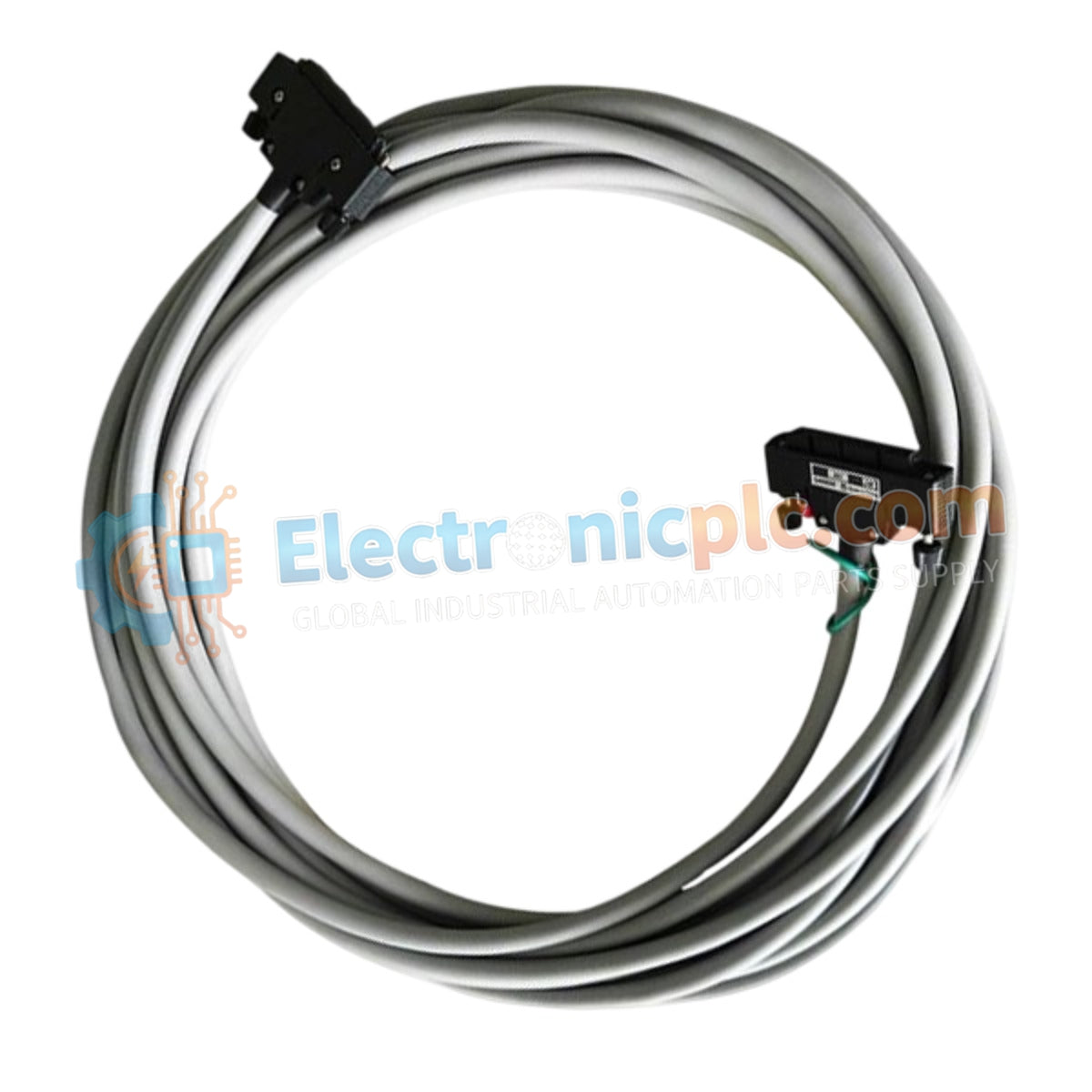
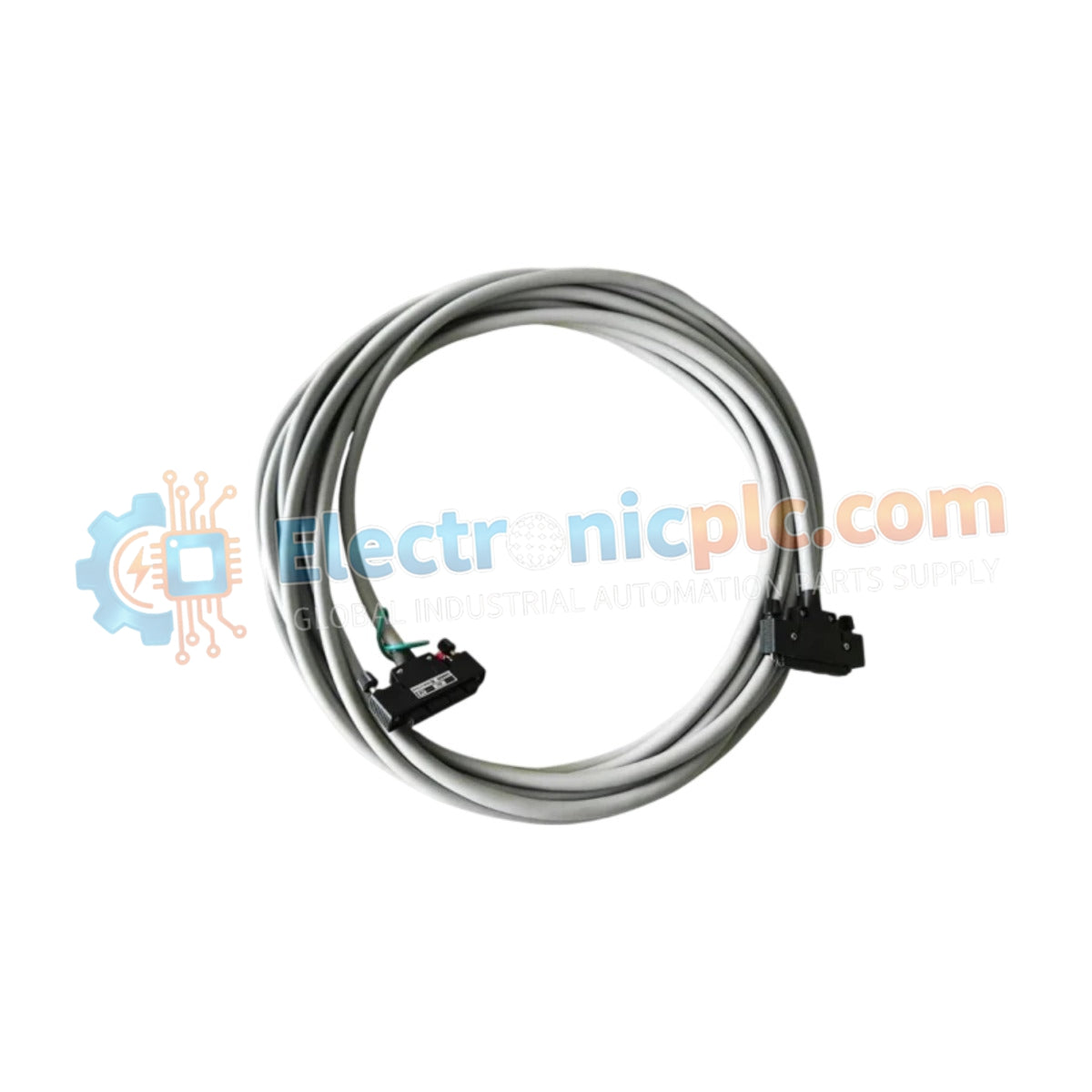
El Yokogawa KS10-05*A, también catalogado como el cable de señal KS10, funciona como un componente de hardware dedicado para interconectar dispositivos de campo y módulos de control dentro de arquitecturas de plataforma DCS. Este cable proporciona una ejecución física directa de la transmisión de señales, asegurando la continuidad de los datos entre los paneles de terminación y los módulos de E/S a través de una interfaz estandarizada de 50 pines.
| Parámetro | Especificación |
|---|---|
| Modelo | KS10-05*A |
| Marca | Yokogawa |
| Origen | Japón |
| Peso | 0,8 kg |
| Dimensiones | 5,0 m de longitud |
| Temperatura de funcionamiento | -10 °C a +60 °C |
| Consumo de energía | No aplicable (Pasivo) |
| Tipo de conector | Estándar de 50 pines |
| Blindaje | Resistente a EMI |
El KS10-05*A está diseñado para la conectividad de E/S de alta densidad, proporcionando la ruta física para señales de 4-20 mA o estados binarios digitales dentro de los entornos de control de procesos de Yokogawa. La inclusión de blindaje resistente a EMI es vital para mantener la integridad de la señal en los 5 metros de alcance, minimizando eficazmente el acoplamiento de ruido de las líneas de alimentación adyacentes en los gabinetes industriales. El conjunto de conectores de 50 pines facilita la instalación rápida y la modularidad del sistema, reduciendo la complejidad mecánica asociada con las conexiones de terminales cableadas.
P: ¿El cable admite el intercambio en caliente o las conexiones en vivo?
R: Si bien el cable en sí es un medio de transmisión pasivo, se recomienda encarecidamente desenergizar los módulos de E/S conectados antes de conectar o desconectar el conjunto de 50 pines para evitar picos de voltaje transitorios en los pines de señal.
P: ¿El blindaje del KS10-05*A está conectado a tierra a través de la carcasa del conector?
R: Sí, el blindaje del cable está diseñado para la continuidad a través de la carcasa del conector para proporcionar una ruta a la referencia de tierra común del gabinete, siempre que el conector de acoplamiento esté correctamente unido al chasis.


