
Carrito
0 artículos
¿Tienes una cuenta?
Inicia sesión para finalizar tus compras con mayor rapidez.
Repuestos originales de automatización | Envío exprés a todo el mundo | Garantía de 12 meses — [Solicite presupuesto]

Configurado para la transmisión de datos de alta integridad en sistemas de control distribuido, el Yokogawa KS9-10*A (Cable de señal KS9) proporciona una ejecución física/eléctrica directa de la comunicación de...
Disponibilidad: En existencias
Entrega confiable a nivel mundial
Garantía de devolución de dinero de 30 días
¿Necesitas más información? Consulta nuestra Política de envíos y reembolsos completa.
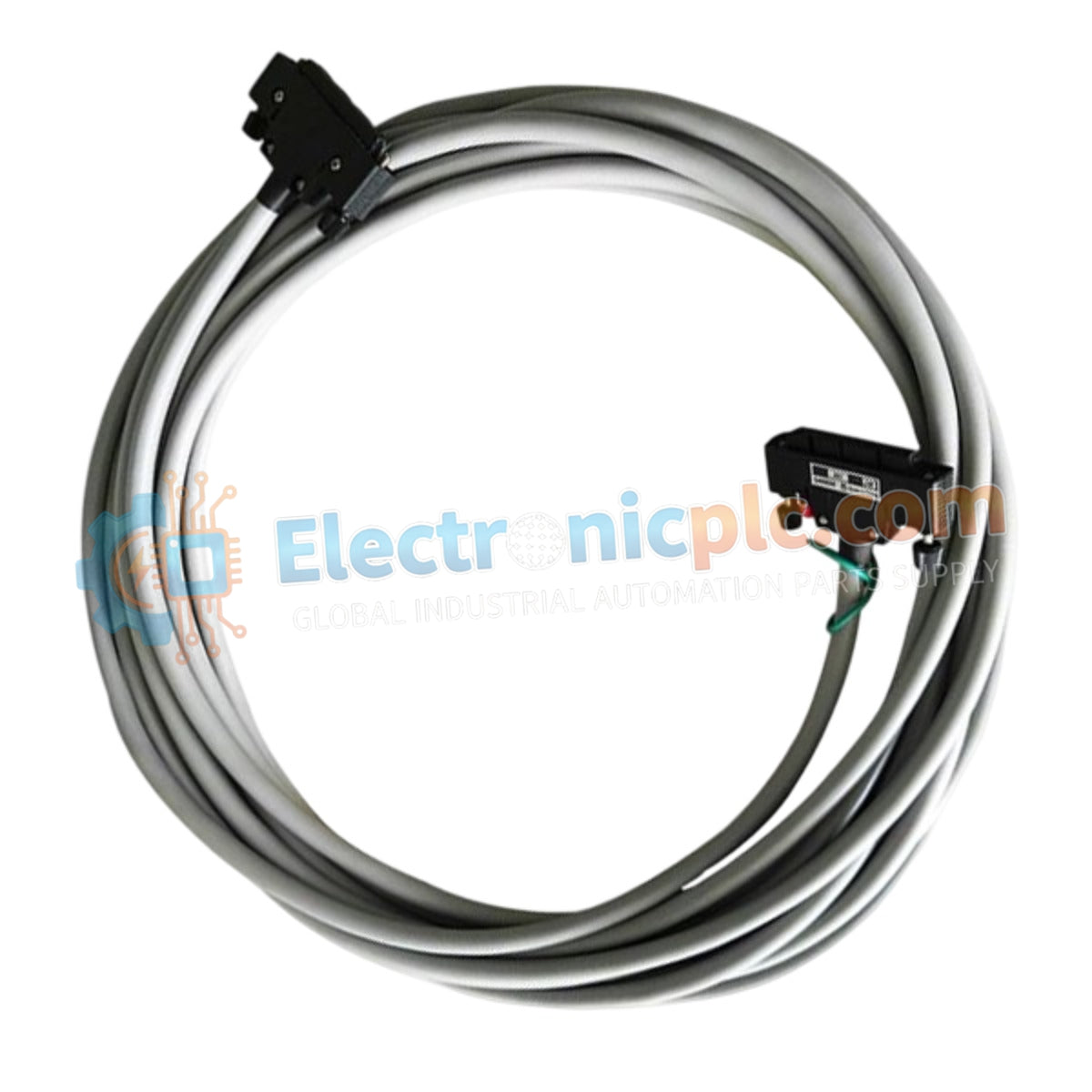
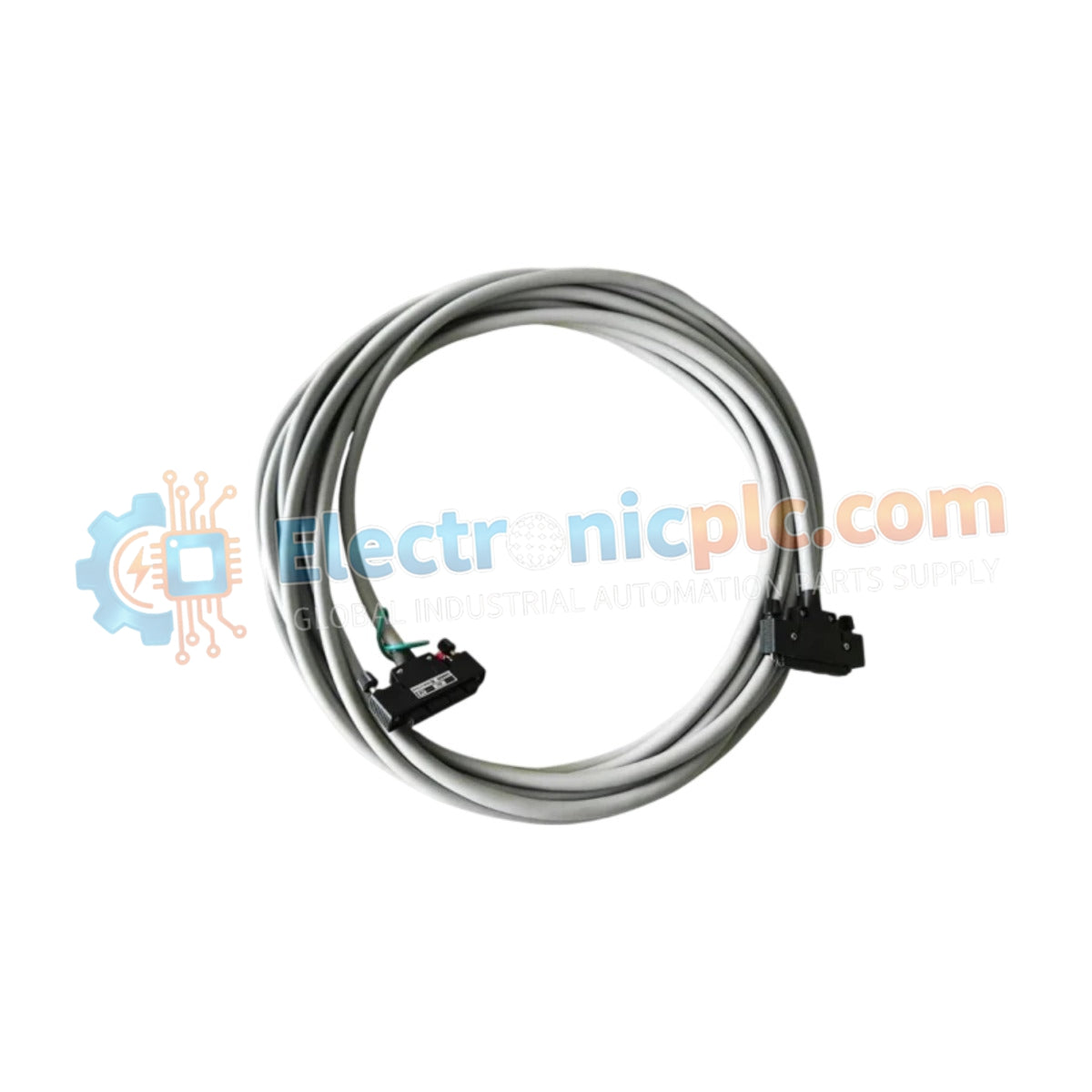
Configurado para la transmisión de datos de alta integridad en sistemas de control distribuido, el Yokogawa KS9-10*A (Cable de señal KS9) proporciona una ejecución física/eléctrica directa de la comunicación de bus entre los nodos del sistema y los subsistemas de E/S.
| Parámetro | Especificación |
|---|---|
| Modelo | KS9-10*A |
| Marca | Yokogawa |
| Origen | Japón |
| Peso | 0,8 kg |
| Dimensiones | 10 metros (longitud) |
| Temperatura de funcionamiento | -20 °C a 70 °C |
| Tipo de cable | Coaxial (red V/ER) o par trenzado (ESB/RIO) |
| Tipo de conector | Tipo N, BNC o terminal M4 sin soldadura |
| Radio mínimo de curvatura | 50 mm a 100 mm (dependiendo del bus) |
El KS9-10*A está diseñado para mantener la fidelidad de la señal en las arquitecturas de bus Yokogawa V net, ER, ESB y RIO. La configuración de blindaje es específica para los requisitos del bus; las variantes coaxiales proporcionan una transmisión de baja pérdida para las señales de bus V net y ER de alta frecuencia, mientras que la construcción de par trenzado para los buses ESB/RIO proporciona un rechazo eficaz del ruido de modo común. Cada conjunto de cables garantiza el aislamiento de canal a canal manteniendo una estricta adaptación de impedancia, lo cual es fundamental para evitar la pérdida de paquetes y las fluctuaciones de tiempo en las redes de control deterministas.
P: ¿Se puede terminar o acortar el KS9-10*A en el campo? R: No. El cable se termina en fábrica para mantener las especificaciones exactas de impedancia y blindaje. Alterar la longitud del cable o la interfaz del conector provocará reflejos de señal y fallos de comunicación en los buses del sistema.
P: ¿Existen requisitos de instalación específicos para los cables coaxiales de red V? R: Sí. Se debe observar estrictamente el radio mínimo de curvatura de 100 mm. Superar este radio puede causar la deformación de la capa dieléctrica, lo que lleva a una falta de adaptación de impedancia y a fallos de enlace posteriores.


