
Carrito
0 artículos
¿Tienes una cuenta?
Inicia sesión para finalizar tus compras con mayor rapidez.
Repuestos originales de automatización | Envío exprés a todo el mundo | Garantía de 12 meses — [Solicite presupuesto]

Configurado para el enrutamiento de señales dentro de la plataforma del sistema N-IO, el YOKOGAWA A2SMX801-S130 (Adaptador de señal de E/S de paso directo A2SMX801-S130) proporciona una ejecución física directa...
Disponibilidad: En existencias
Entrega confiable a nivel mundial
Garantía de devolución de dinero de 30 días
¿Necesitas más información? Consulta nuestra Política de envíos y reembolsos completa.


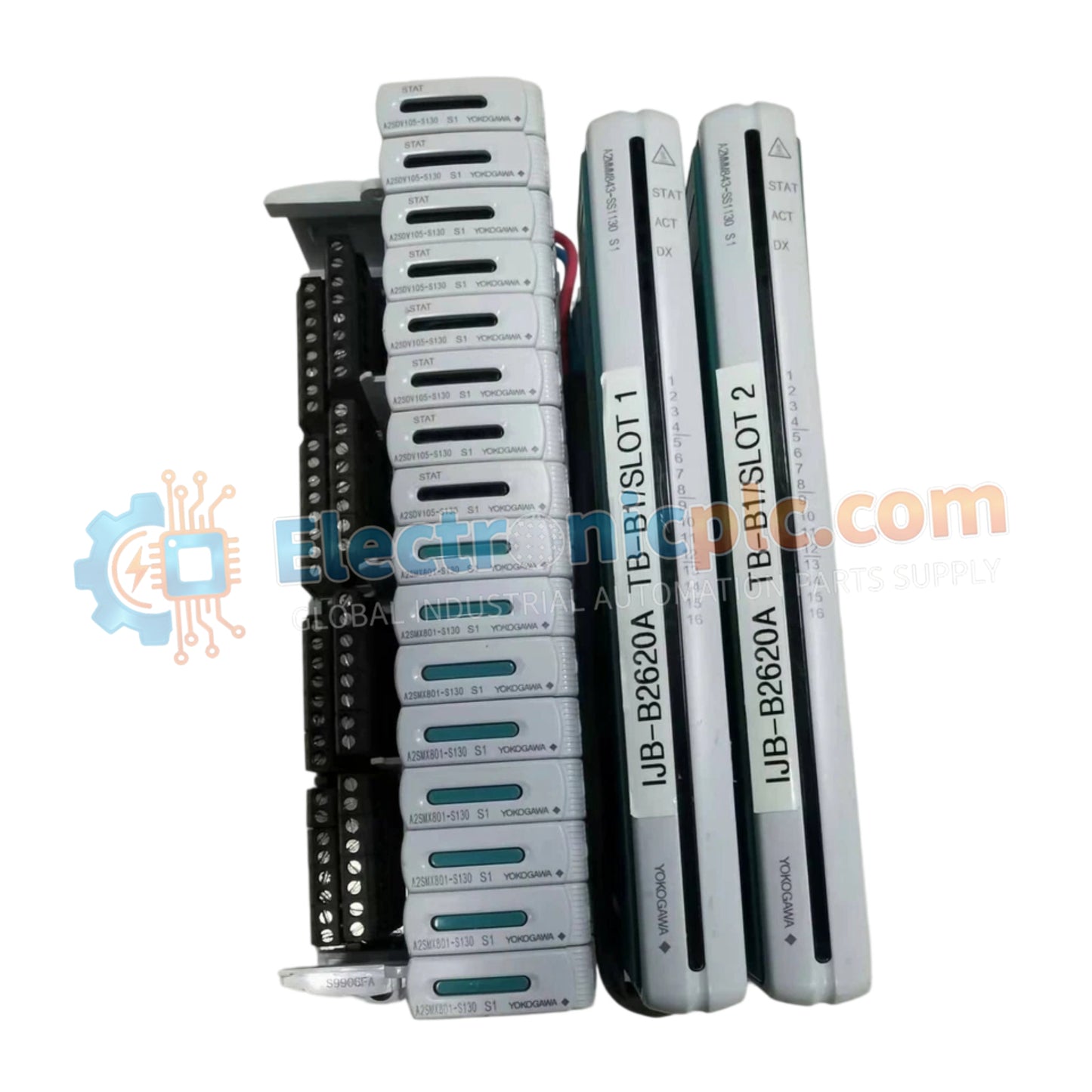
Configurado para el enrutamiento de señales dentro de la plataforma del sistema N-IO, el YOKOGAWA A2SMX801-S130 (Adaptador de señal de E/S de paso directo A2SMX801-S130) proporciona una ejecución física directa del mapeo de señales de E/S. El adaptador sirve como una interfaz pasiva para conectar instrumentos de campo y sensores directamente al sistema de control, facilitando la adquisición y el control de datos sin acondicionamiento de la señal.
| Parámetro | Especificación |
|---|---|
| Modelo | A2SMX801-S130 |
| Marca | YOKOGAWA |
| Origen | No especificado |
| Peso | No especificado |
| Dimensiones | Tamaño estándar de módulo N-IO |
| Temperatura de funcionamiento | 0 a 60 grados C |
| Consumo de energía | Pasivo (Ninguno) |
| Función | Adaptación de señal de E/S de paso directo |
| Aislamiento | No aislado |
El A2SMX801-S130 funciona como un componente de interfaz de señal no aislado. Está diseñado para mantener rutas de baja impedancia entre los transmisores de campo y la placa base del sistema N-IO. Dado que esta unidad carece de aislamiento galvánico activo, está diseñada para entornos donde los dispositivos de campo están autoaislados o donde las corrientes de bucle de tierra se gestionan mediante medidas de protección secundarias externas. El adaptador garantiza una conectividad consistente del protocolo HART de lazo de 4-20 mA al proporcionar una ruta de transmisión continua para superposiciones de señales digitales y analógicas.
P: ¿Este adaptador requiere alimentación externa para funcionar?
R: No. El A2SMX801-S130 es un dispositivo pasivo de paso directo y no requiere alimentación externa ni regulación de voltaje interna para funcionar.
P: ¿Puede esta unidad utilizarse como reemplazo de convertidores de señal aislados?
R: No. Este adaptador no proporciona aislamiento galvánico. Si la aplicación requiere protección contra ruido de modo común o aislamiento eléctrico entre el instrumento de campo y el sistema de control, debe utilizarse un aislador de señal activo.


