
Carrito
0 artículos
¿Tienes una cuenta?
Inicia sesión para finalizar tus compras con mayor rapidez.
Repuestos originales de automatización | Envío exprés a todo el mundo | Garantía de 12 meses — [Solicite presupuesto]

Configurado para el intercambio de datos en serie en arquitecturas de control distribuidas, el Yokogawa CSL/ACM11 (Módulo de Comunicación ACM11) proporciona la ejecución física directa del protocolo de comunicación RS-232C....
Disponibilidad: Bajas existencias: quedan 50
Entrega confiable a nivel mundial
Garantía de devolución de dinero de 30 días
¿Necesitas más información? Consulta nuestra Política de envíos y reembolsos completa.


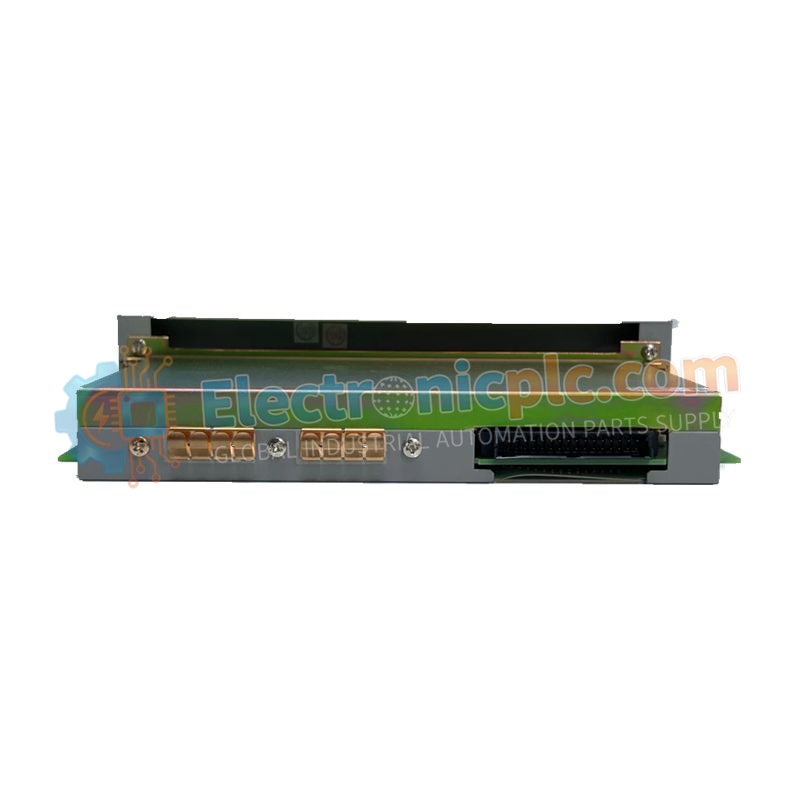
Configurado para el intercambio de datos en serie en arquitecturas de control distribuidas, el Yokogawa CSL/ACM11 (Módulo de Comunicación ACM11) proporciona la ejecución física directa del protocolo de comunicación RS-232C. Este módulo gestiona la transmisión de datos asíncrona, soportando conectividad en serie de alta velocidad para instrumentación heredada y dispositivos de control de máquinas locales, asegurando la integridad de los datos operativos dentro de los gabinetes de control industrial.
| Parámetro | Especificación |
|---|---|
| Modelo | CSL/ACM11 |
| Marca | Yokogawa |
| Categoría | Módulo PLC / Comunicación |
| Peso | 0.86 kg |
| Temperatura de Operación | -20 °C a +70 °C |
| Consumo de Energía | < 1 W |
| Protocolo | RS-232C |
| Tasa de Datos | Hasta 230 Kbps |
| Montaje | Carril DIN |
La arquitectura CSL/ACM11 facilita una integración serie fluida para dispositivos que requieren señalización RS-232C. Al soportar tasas de datos de hasta 230 Kbps, el módulo proporciona un rendimiento de alta velocidad para el monitoreo de estado, la carga de configuraciones y el intercambio de datos de diagnóstico. Su bajo consumo de energía y su amplio rango de temperatura de funcionamiento lo hacen adecuado para la integración en diversas unidades de PLC y control de máquinas donde el espacio y la disipación de calor son restricciones críticas. El montaje en carril DIN asegura una instalación física robusta, manteniendo la estabilidad de la conexión bajo las vibraciones industriales típicas.
P: ¿Se puede utilizar el ACM11 para comunicación de larga distancia (por ejemplo, > 15 metros)?
R: No, como interfaz RS-232C, el ACM11 está sujeto a las limitaciones de distancia estándar del protocolo RS-232; para aplicaciones de larga distancia, se debe considerar un convertidor o un protocolo alternativo (por ejemplo, RS-422/485).
P: ¿El puerto serie del ACM11 está ópticamente aislado?
R: El módulo está diseñado para los requisitos de interfaz RS-232C industriales estándar; verifique que el dispositivo serie conectado mantenga una conexión a tierra adecuada para evitar corrientes de bucle de tierra a través de la interfaz.


