
Carrito
0 artículos
¿Tienes una cuenta?
Inicia sesión para finalizar tus compras con mayor rapidez.
Repuestos originales de automatización | Envío exprés a todo el mundo | Garantía de 12 meses — [Solicite presupuesto]

Configurado para la transmisión de señales de alta integridad en sistemas de control distribuido, el YOKOGAWA KS2-20 (Cable de señal KS2-20) proporciona una ejecución física directa del enrutamiento de datos...
Disponibilidad: En existencias
Entrega confiable a nivel mundial
Garantía de devolución de dinero de 30 días
¿Necesitas más información? Consulta nuestra Política de envíos y reembolsos completa.
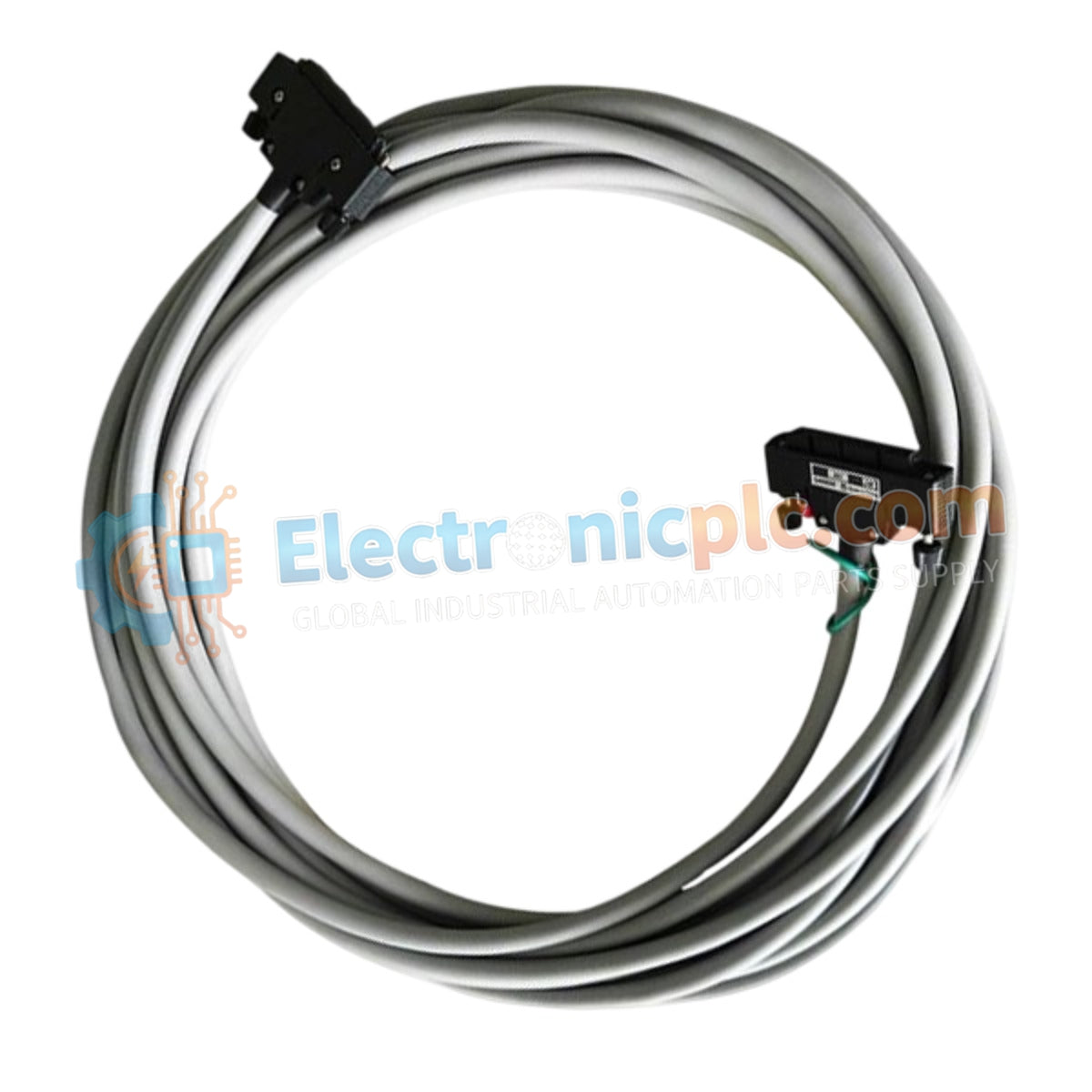
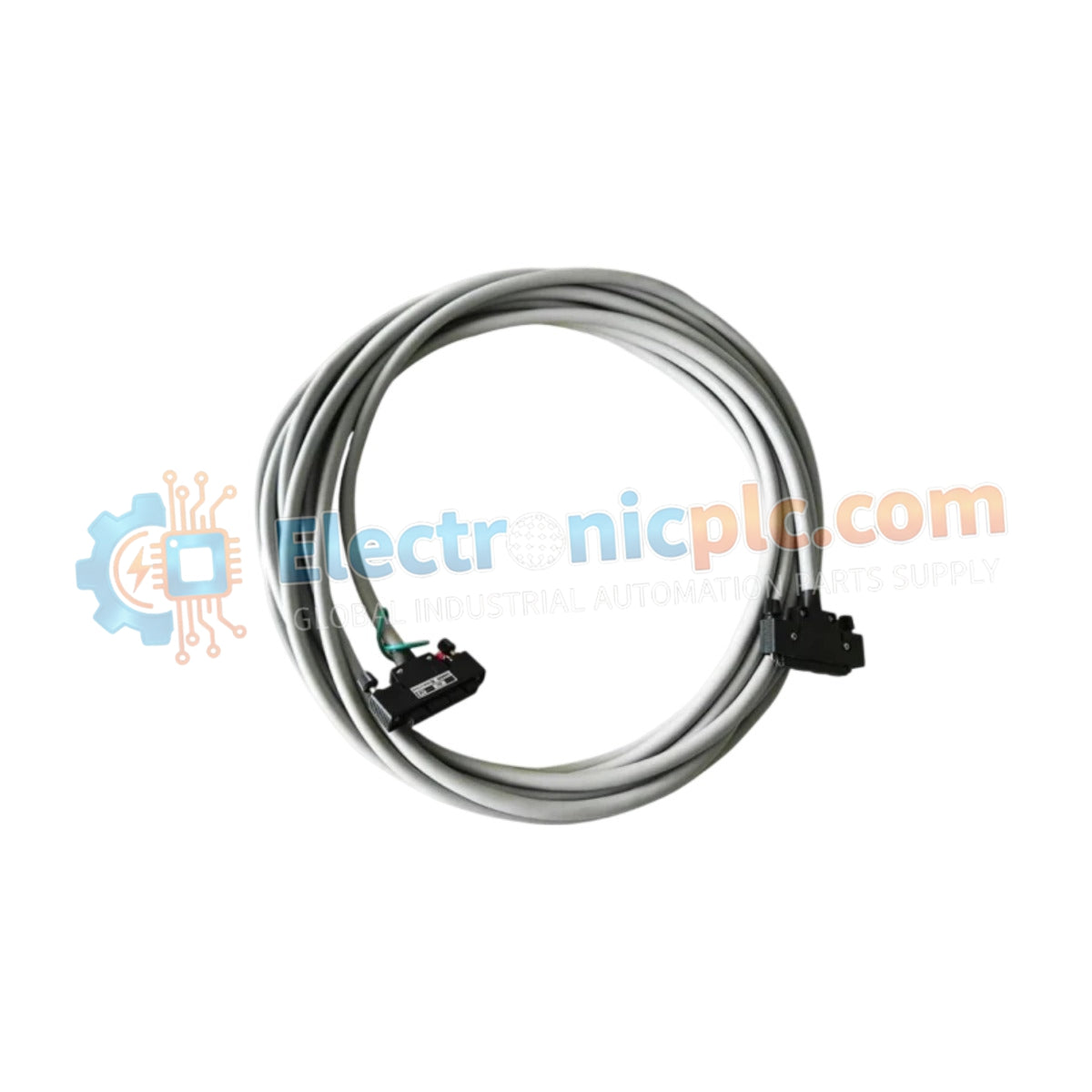
Configurado para la transmisión de señales de alta integridad en sistemas de control distribuido, el YOKOGAWA KS2-20 (Cable de señal KS2-20) proporciona una ejecución física directa del enrutamiento de datos entre la instrumentación de campo y los módulos de control. El conjunto de cables utiliza una interfaz de conector D-subminiatura de 20 pines de alta densidad para facilitar el transporte de señales estable y de baja latencia a través de las arquitecturas PLC y de la serie CENTUM de Yokogawa.
| Parámetro | Especificación |
|---|---|
| Modelo | KS2-20 |
| Marca | YOKOGAWA |
| Origen | Japón |
| Peso | 0,88 kg |
| Dimensiones | Longitud variable |
| Temperatura de funcionamiento | -20 a 70 grados C |
| Consumo de energía | Pasivo (Ninguno) |
| Tipo de conector | D-subminiatura de 20 pines |
| Blindaje | Cobre estañado trenzado |
El cable KS2-20 está diseñado con un blindaje de cobre estañado trenzado para mitigar las interferencias electromagnéticas, lo cual es fundamental para mantener la precisión de la señal en entornos de control industrial. El uso de conductores de cobre estañado mejora la soldabilidad y proporciona una resistencia superior a la corrosión, lo que garantiza una conductividad eléctrica a largo plazo. La cubierta y el aislamiento de PVC brindan la protección mecánica necesaria contra el estrés ambiental, manteniendo la integridad de la ruta de transmisión de datos incluso cuando se enruta a través de zonas de planta con alta vibración o temperatura variable.
P: ¿Se puede usar este cable para la transmisión de energía de alta corriente?
R: No. El KS2-20 está diseñado específicamente para la transmisión a nivel de señal. La utilización de este cable para la distribución de energía o cargas de alta corriente resultará en el sobrecalentamiento y la falla de los conductores y conectores internos.
P: ¿Cómo debo determinar la longitud correcta para mi aplicación?
R: La longitud total debe tener en cuenta el recorrido del cable desde la terminal de campo hasta la entrada del gabinete de control. Mida la ruta a lo largo de las bandejas de cables existentes, agregando un margen de holgura del 10% para evitar la tensión en los conectores D-subminiatura durante la expansión térmica o la vibración mecánica.


