
Carrito
0 artículos
¿Tienes una cuenta?
Inicia sesión para finalizar tus compras con mayor rapidez.
Repuestos originales de automatización | Envío exprés a todo el mundo | Garantía de 12 meses — [Solicite presupuesto]

Configurado para una transmisión de señal de alta integridad en plataformas de control industrial, el YOKOGAWA KS9-20 (cable PLC KS9-20) proporciona una ejecución física directa del enrutamiento de datos entre...
Disponibilidad: En existencias
Entrega confiable a nivel mundial
Garantía de devolución de dinero de 30 días
¿Necesitas más información? Consulta nuestra Política de envíos y reembolsos completa.
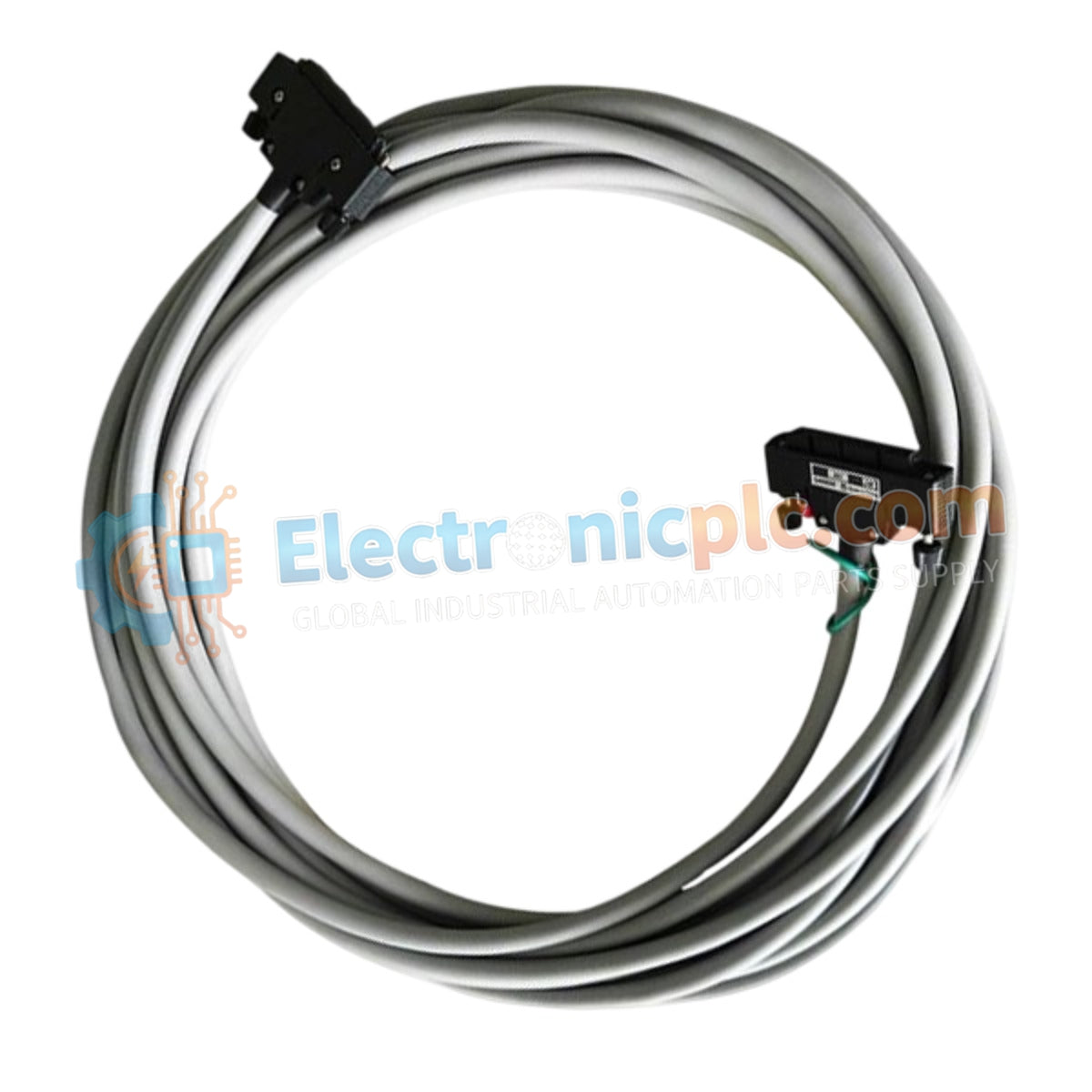
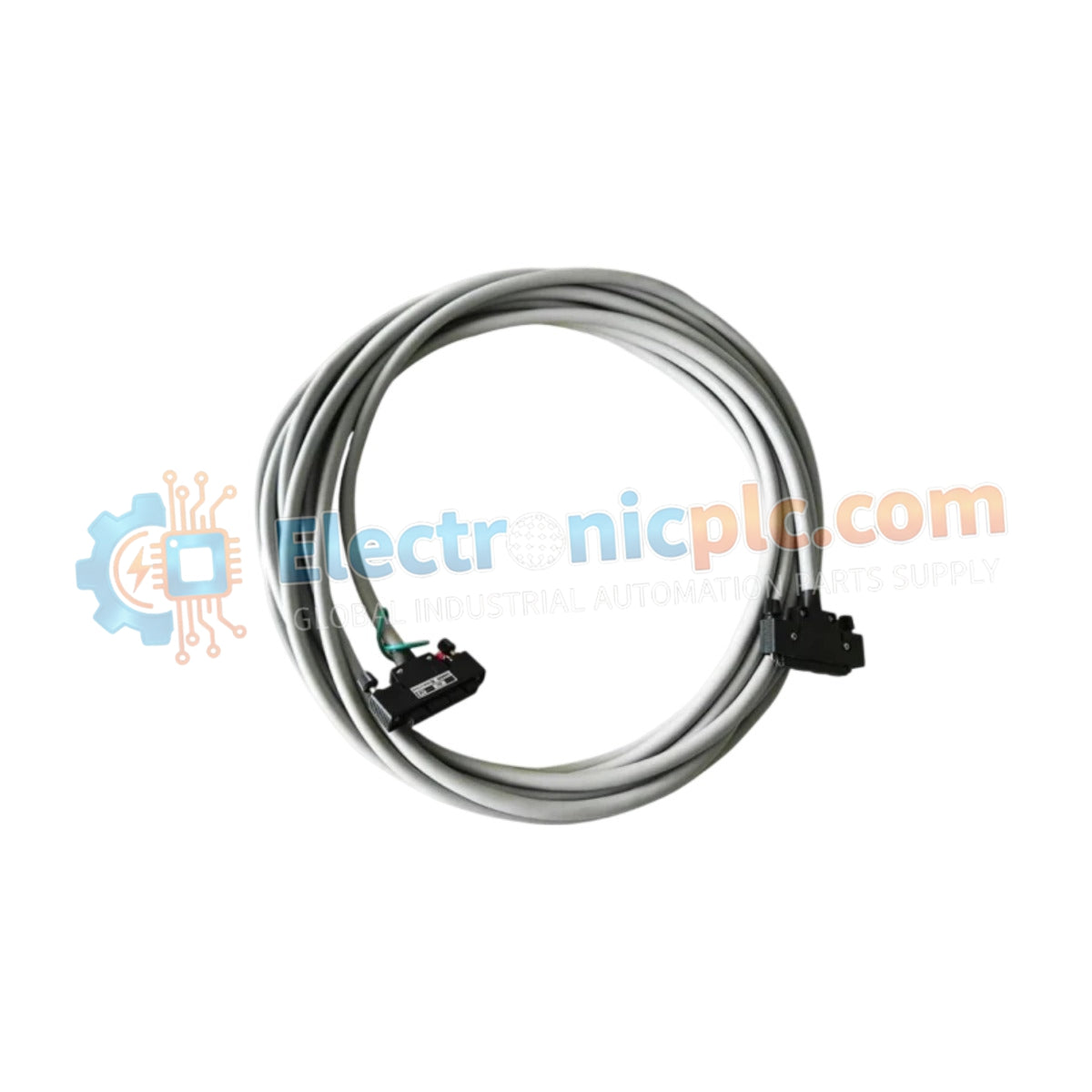
Configurado para una transmisión de señal de alta integridad en plataformas de control industrial, el YOKOGAWA KS9-20 (cable PLC KS9-20) proporciona una ejecución física directa del enrutamiento de datos entre los módulos de E/S del PLC y los bloques de terminales de campo. El conjunto de cables garantiza un transporte de señal estable y de baja latencia en las arquitecturas Yokogawa FA-M3 y de control distribuido a través de una interfaz de conector estandarizada de alta densidad.
| Parámetro | Especificación |
|---|---|
| Modelo | KS9-20 |
| Marca | YOKOGAWA |
| Origen | Japón |
| Peso | 0,9 kg |
| Dimensiones | Longitud variable |
| Temperatura de funcionamiento | Rango industrial estándar |
| Consumo de energía | Pasivo (Ninguno) |
| Tipo de conector | Interfaz PLC multipin |
| Blindaje | Protección EMI de grado industrial |
El conjunto de cables KS9-20 está diseñado para mantener la fidelidad de la señal en entornos de control industrial de alta densidad. Al utilizar conductores de cobre de alta conductividad y aislamiento de grado industrial, el cable proporciona una continuidad de trayectoria confiable tanto para señales de E/S analógicas como digitales. La integración de un blindaje resistente a EMI es esencial para mitigar el ruido inductivo generado por el cableado de accionamiento de alta potencia adyacente o las líneas de suministro de CA, asegurando que los paquetes de datos permanezcan determinísticos y libres de errores de paridad o corrupción dentro del ciclo de comunicación del backplane del PLC.
P: ¿Es compatible este cable con los módulos FA-M3 heredados?
R: Sí, el KS9-20 está diseñado para ser compatible con las interfaces de terminales de E/S FA-M3 estándar; sin embargo, siempre verifique la configuración de los pines con la documentación específica del módulo para asegurar un mapeo de señal adecuado.
P: ¿Se puede reparar el cable en el campo si el conector está dañado?
R: No se recomienda la reparación en campo de la interfaz del conector moldeado. Si la carcasa del conector o la integridad de los pines están comprometidas, el conjunto del cable debe reemplazarse para evitar fallas intermitentes de la señal que podrían causar un comportamiento errático de E/S.


