
Carrito
0 artículos
¿Tienes una cuenta?
Inicia sesión para finalizar tus compras con mayor rapidez.
Repuestos originales de automatización | Envío exprés a todo el mundo | Garantía de 12 meses — [Solicite presupuesto]

El YOKOGAWA NFAR181-S00 S2, también catalogado como el Módulo de Entrada RTD NFAR181, funciona como un componente de hardware dedicado para la detección de temperatura dentro de las plataformas N-IO...
Disponibilidad: En existencias
Entrega confiable a nivel mundial
Garantía de devolución de dinero de 30 días
¿Necesitas más información? Consulta nuestra Política de envíos y reembolsos completa.


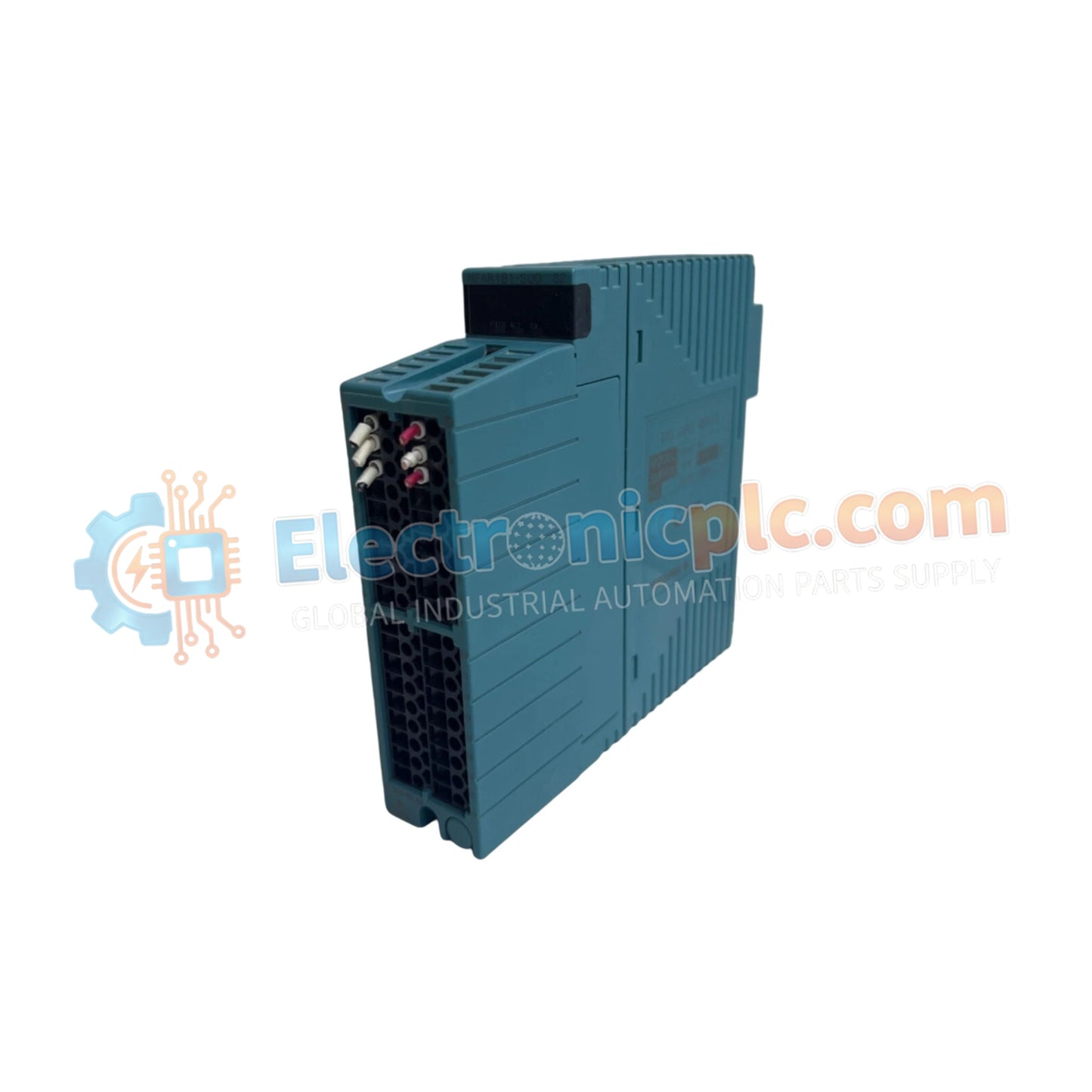
El YOKOGAWA NFAR181-S00 S2, también catalogado como el Módulo de Entrada RTD NFAR181, funciona como un componente de hardware dedicado para la detección de temperatura dentro de las plataformas N-IO (Network I/O). Este módulo proporciona ejecución física/eléctrica directa para adquirir señales resistivas de Detectores de Temperatura por Resistencia (RTD) montados en campo, convirtiendo datos térmicos en valores digitales para el control y monitoreo de procesos DCS.
| Parámetro | Especificación |
|---|---|
| Modelo | NFAR181-S00 S2 |
| Marca | YOKOGAWA |
| Origen | JAPÓN |
| Peso | 0,3 kg |
| Dimensiones | 2,2 cm x 12,4 cm x 12,6 cm |
| Temperatura de funcionamiento | -20 a 70 grados C |
| Consumo de energía | 1,8 W (típico) |
| Tipo de entrada | RTD (Detector de temperatura por resistencia) |
| Aislamiento | De canal a canal |
El NFAR181-S00 S2 utiliza aislamiento de canal a canal para evitar posibles interferencias entre múltiples lazos de medición de temperatura. Este diseño eléctrico suprime el ruido de modo común y los bucles de tierra, que son comunes en las arquitecturas de monitoreo térmico distribuido. El módulo admite una conversión de señal precisa, manteniendo la integridad de la medición al filtrar las fluctuaciones de resistencia entrantes antes de la transmisión de datos a través del bus de plano posterior N-IO.
P: ¿Este módulo requiere compensación de unión fría externa (CJC) para las mediciones de RTD?
R: No, se requiere compensación de unión fría para termopares; el NFAR181 está diseñado específicamente para entradas RTD, que utilizan compensación de resistencia de hilo conductor en su lugar.
P: ¿El NFAR181-S00 S2 es compatible con varios tipos de RTD como Pt100?
R: Sí, este módulo admite tipos de sensores RTD industriales estándar; verifique la configuración específica del sensor dentro del software de ingeniería para que coincida con las especificaciones del dispositivo de campo.


