
Carrito
0 artículos
¿Tienes una cuenta?
Inicia sesión para finalizar tus compras con mayor rapidez.
Repuestos originales de automatización | Envío exprés a todo el mundo | Garantía de 12 meses — [Solicite presupuesto]

Configurado para comunicación de puente de red de alta velocidad en la arquitectura DCS, el YOKOGAWA VC401-11 (Módulo acoplador de red V VC401-11) proporciona una ejecución física/eléctrica directa para la...
Disponibilidad: En existencias
Entrega confiable a nivel mundial
Garantía de devolución de dinero de 30 días
¿Necesitas más información? Consulta nuestra Política de envíos y reembolsos completa.


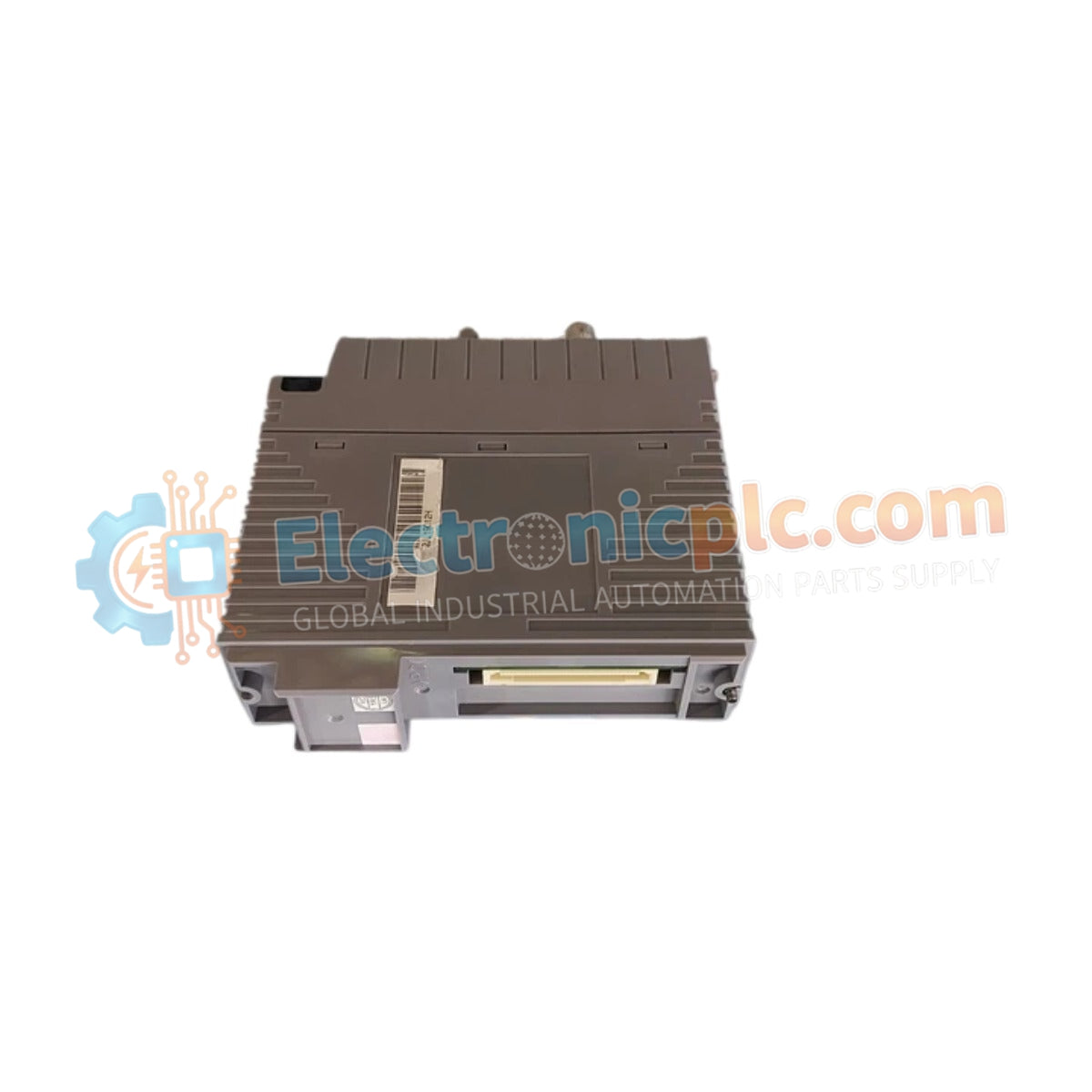
Configurado para comunicación de puente de red de alta velocidad en la arquitectura DCS, el YOKOGAWA VC401-11 (Módulo acoplador de red V VC401-11) proporciona una ejecución física/eléctrica directa para la sincronización del bus de control.
| Parámetro | Especificación |
|---|---|
| Modelo | VC401-11 |
| Marca | YOKOGAWA |
| Origen | JAPÓN |
| Peso | 0.56 kg |
| Dimensiones | 6.5 cm x 14.1 cm x 13 cm |
| Temperatura de funcionamiento | 5 a 40 grados C |
| Consumo de energía | 12.0 W (típico) |
| Interfaz | Bus de doble redundancia V Net |
El módulo facilita el intercambio transparente de datos a través de la red de control V Net, asegurando el determinismo de la temporización para las operaciones de control distribuidas. Al implementar soporte nativo para los protocolos V Net de YOKOGAWA, el VC401-11 mantiene una estricta integridad de comunicación de nodo a nodo. El circuito utiliza lógica de controlador de bus dedicada para gestionar la priorización de paquetes, mitigando eficazmente la congestión de la red dentro de las jerarquías de control de múltiples capas. Las características mejoradas de aislamiento de canal a canal protegen el procesador local contra los potenciales de bucle de tierra a menudo introducidos a través del cableado de red extendido, mientras que la lógica de compensación de unión fría (CJC) está integrada para la monitorización auxiliar de instrumentación sensible a la temperatura.
P: ¿El módulo VC401-11 admite el reemplazo en caliente dentro de un sistema V Net activo?
R: Sí, el módulo está diseñado para el intercambio en caliente. Asegúrese de que el sistema esté configurado para un funcionamiento redundante para evitar la pérdida de comunicación durante el intervalo de reemplazo.
P: ¿Cómo se sincroniza el módulo con el reloj de la red principal?
R: El módulo ejecuta automáticamente protocolos de sincronización al arrancar, sondeando el nodo maestro de red designado para alinear los temporizadores de comunicación internos.


