
My Cart
0 items
Genuine Automation Parts | Worldwide Express Delivery | 12-Month Warranty — [GET A QUOTE]

The Bently Nevada 3500/53 (part number 133388-01) is a sophisticated electronic overspeed detection system designed for the rigorous protection of critical rotating machinery. As a core component of the 3500 Machinery Protection System, this...
Availability: Low stock: 10 left
Reliable Worldwide Delivery
30-Day Money-Back Guarantee
Need more details? Read our fullShipping PolicyandRefund Policy.
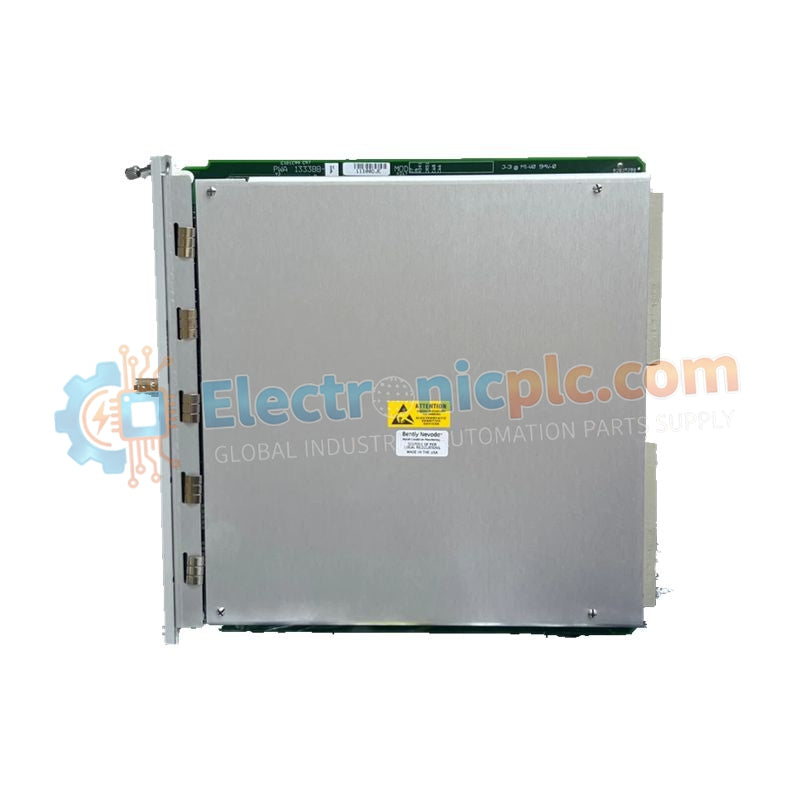

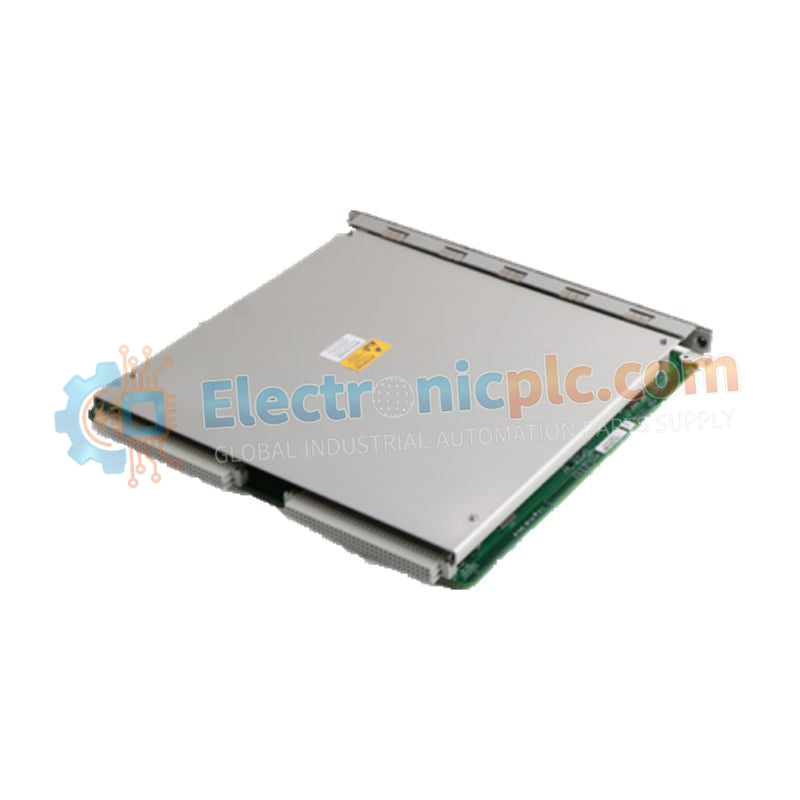
The Bently Nevada 3500/53 (part number 133388-01) is a sophisticated electronic overspeed detection system designed for the rigorous protection of critical rotating machinery. As a core component of the 3500 Machinery Protection System, this unit provides precise, high-speed monitoring of shaft rotational velocity to detect and prevent dangerous overspeed conditions. It features a dual-channel architecture that supports reliable redundancy, essential for preventing catastrophic failures in turbines, compressors, and large motors. Engineered for high-availability industrial environments, this system ensures that any deviation from defined operational speed thresholds triggers immediate alarm or trip logic within the protection hierarchy.
| Specification | Details |
|---|---|
| Model | 3500/53 |
| Part Number | 133388-01 |
| Module Type | Electronic Overspeed Detection System |
| Physical Dimensions | 2.6 cm x 25.8 cm x 24 cm |
| Weight | 0.85 kg |
| Compatibility | Bently Nevada 3500 Series Racks |
| Monitoring Channels | Supports dual-channel or redundant input configurations |
The 3500/53 system is built to provide rapid, fail-safe response times. By processing signals directly from proximity probes or magnetic pickups, it maintains high-fidelity speed data acquisition regardless of load or operating speed. Its integration into the 3500 rack backplane allows it to communicate status and alarm conditions directly to the system's external relay and communication modules, forming a comprehensive safety loop that is vital for modern plant operations.
A: The system includes continuous internal diagnostic checks. If a sensor signal is lost or an internal error is detected, the module is designed to trigger a "Not OK" status, ensuring the operator is aware of the potential loss of protection.
A: Yes, it is fully configurable within the 3500 system software to perform various voting logic sequences (such as 1-out-of-2 or 2-out-of-2) to prevent nuisance trips while ensuring maximum safety integrity.


