Skip to product information
1 of 3

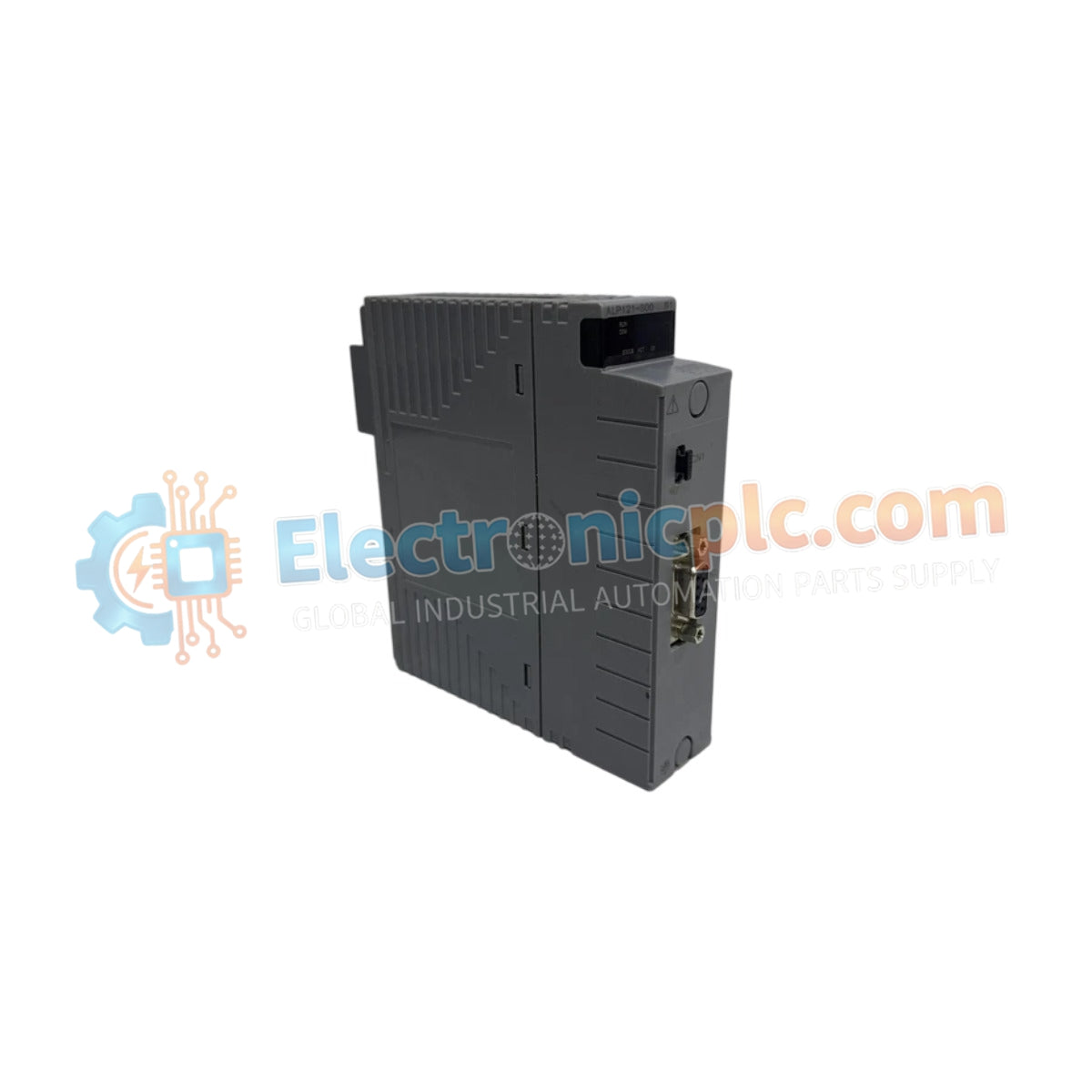
A2EE1A-T YOKOGAWA ESB Bus Adapter | New & Original Stock

A2EE1A-T YOKOGAWA ESB Bus Adapter | New & Original Stock

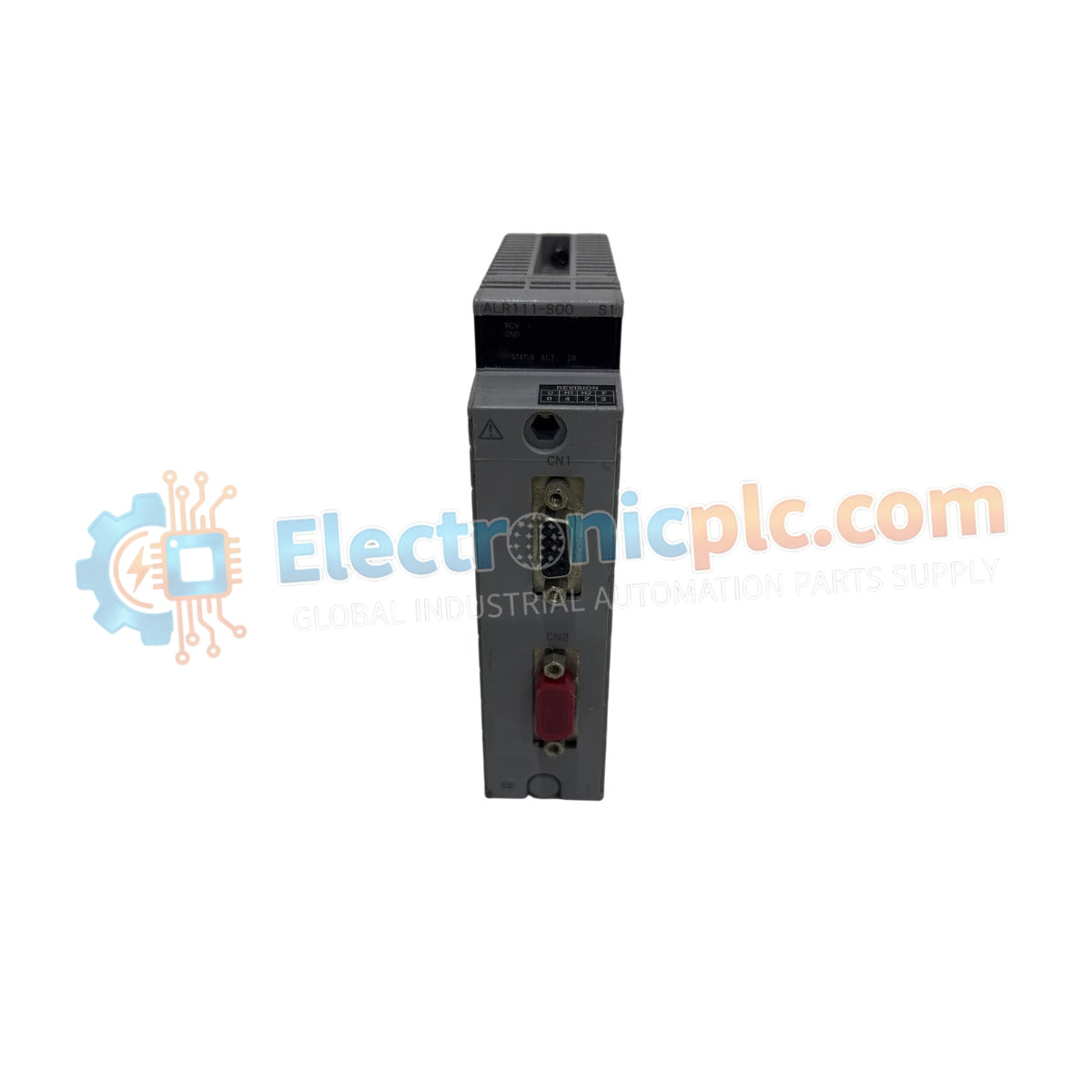
The YOKOGAWA A2EE1A-T, also cataloged as the A2EE1A-T ESB Bus Adapter, operates as a dedicated hardware component for signal termination and bus impedance matching within CENTUM VP control systems.

Hardware...

25 people are viewing this right now

AvailabilityLow stock: 99 left

SKU: A2EE1A-T
Vendor: Yokogawa
Category: ESB Bus Adapter
Related Series:

Shipping & Returns

Reliable Worldwide Delivery

  • Carriers: Shipped via DHL, FedEx, UPS, or USPS.
  • Dispatch: Orders processed in 1-2 business days and dispatched within 3-5 business days.
  • Tracking: Full tracking details provided via email upon shipment.

30-Day Money-Back Guarantee

  • Guarantee: 30-day return window for in-stock, factory-sealed products.
  • Condition: Items must be unopened, unused, and in original packaging.
  • Authenticity: We guarantee 100% original and authentic hardware.

Need more details? Read our fullShipping PolicyandRefund Policy.
Authenticity & Warranty

  • Genuine Guarantee: We supply only 100% original, brand-new, and factory-sealed industrial automation parts.
  • Full Coverage: Every component is backed by a 12-month comprehensive warranty from the date of purchase.
  • Traceability: All products come with original factory documentation and accessories for full industrial compliance.

Technical Support & Sourcing

  • Expert Assistance: Our technical team provides free consultation to help you verify compatibility for DCS and PLC systems.
  • Rare Part Sourcing: Specializing in obsolete and hard-to-find components from Allen-Bradley, Siemens, ABB, HIMA, and more.
  • Bulk Inquiries: Contact us at pambo@5gplc.com for volume pricing or customized project quotes.
View full product details

The YOKOGAWA A2EE1A-T, also cataloged as the A2EE1A-T ESB Bus Adapter, operates as a dedicated hardware component for signal termination and bus impedance matching within CENTUM VP control systems.

Hardware Specifications

Parameter Specification
Model A2EE1A-T
Brand YOKOGAWA
Origin Japan
Weight 0.3 kg
Dimensions 2.2 x 12.4 x 12.6 cm
Operating Temp Standard industrial range
Power Consumption Passive (Bus powered)
System Compatibility CENTUM VP, FIO Node, Optical ESB Bus Node
Function ESB Bus impedance termination

Channel-to-Channel Isolation and Loop Connectivity

The A2EE1A-T adapter maintains network signal integrity by providing active termination at the terminus of the ESB Bus architecture. The internal circuit design is specifically engineered to mitigate signal reflection that occurs at the end of the high-speed data bus, ensuring that the 4-20 mA HART loop protocol environment and digital data packets remain undisturbed. The adapter facilitates galvanic isolation within the bus interface, preventing common-mode noise propagation between field control units and node units. Proper application of this terminator is required to maintain deterministic communication velocity across distributed control platforms, as it stabilizes the transmission line impedance.

Frequently Asked Questions

Q: Is the A2EE1A-T required at every connection point in the ESB Bus?

A: No. The A2EE1A-T is intended for use specifically at the end of the ESB Bus chain. Installation at intermediate points will disrupt the bus impedance and may cause communication errors.

Q: Can this adapter be used to replace standard ESB cable connectors?

A: No. The A2EE1A-T serves the specific function of bus termination and does not provide passthrough connectivity for standard daisy-chain cabling. It must be installed at the final node connection point.

Field Installation Guidelines

  1. De-energize the field control unit and associated node units before initiating hardware changes to the ESB Bus network.
  2. Identify the final node or repeater unit in the physical ESB Bus topology; the A2EE1A-T must be mounted directly to the designated termination port.
  3. Ensure the adapter is fully seated into the mating connector; tighten the retaining screws to provide mechanical stability and prevent intermittent electrical contact.
  4. Verify that the bus cable shielding is properly grounded at the cabinet entry point to prevent external electromagnetic interference from affecting the terminated bus segment.
  5. Perform a network diagnostic check via the system engineering station after installation to confirm that communication parity and timing parameters are within nominal ranges.