Skip to product information
1 of 3

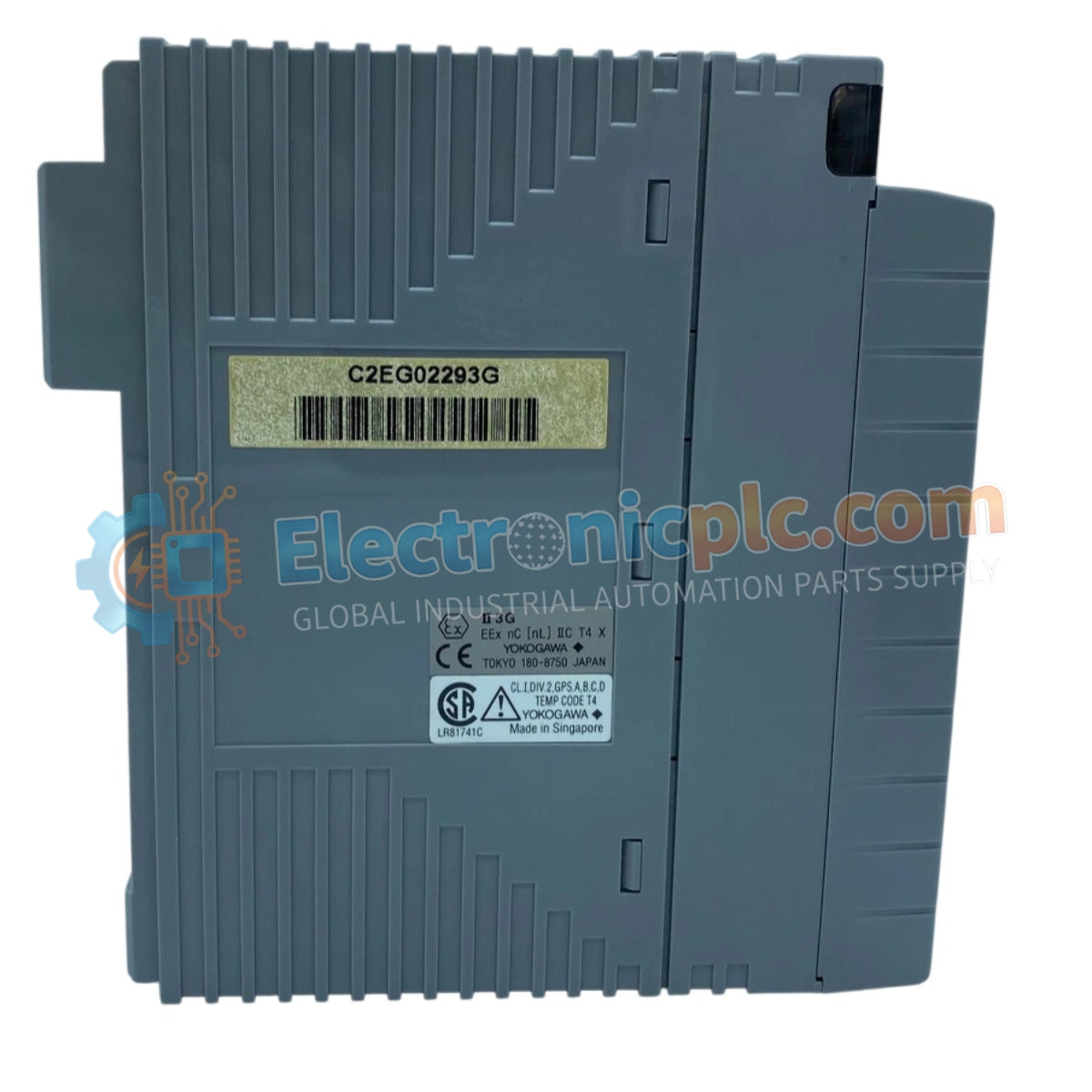
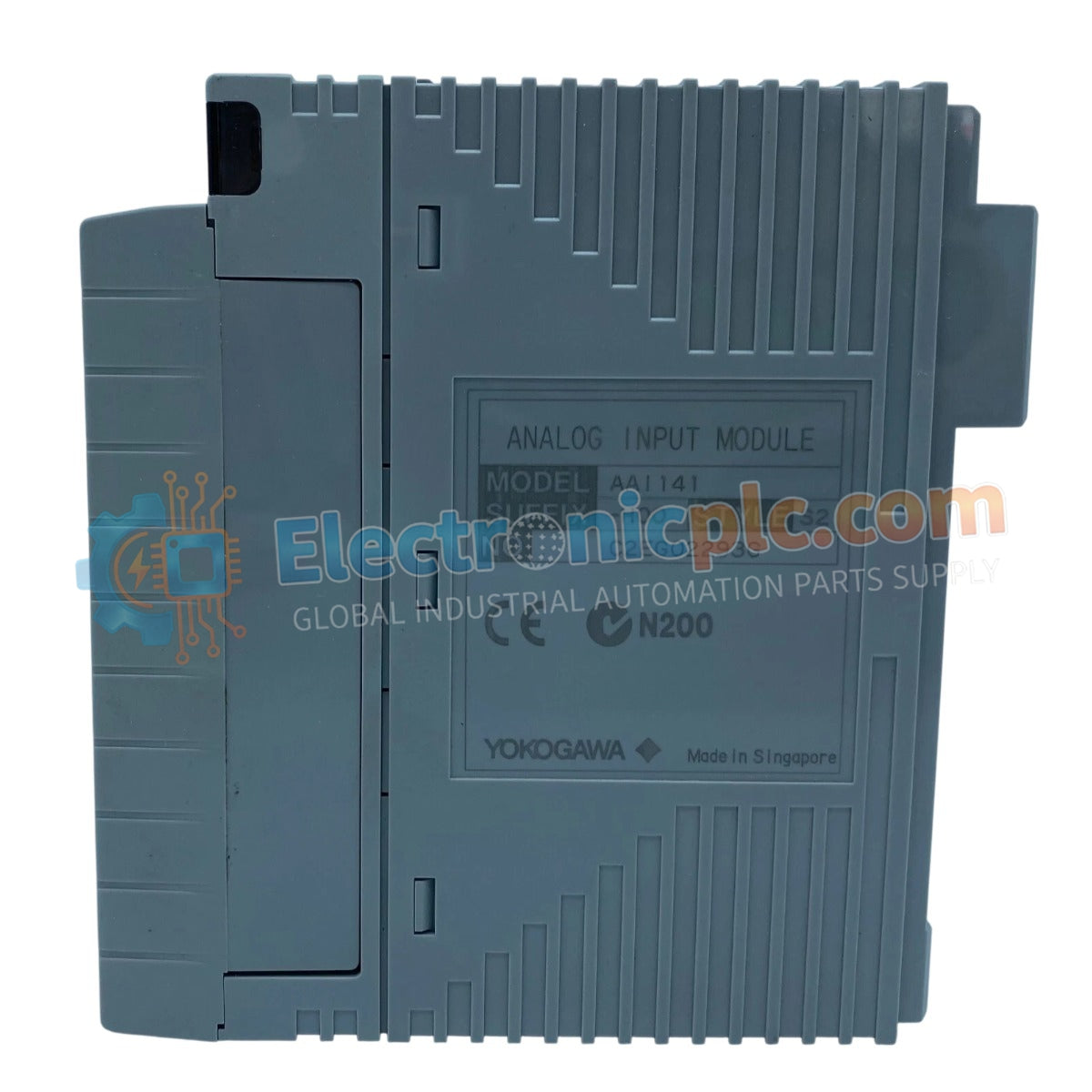
AAI141-H00/K4A00 YOKOGAWA Analog Input Module Datasheet & Technical Manual

AAI141-H00/K4A00 YOKOGAWA Analog Input Module Datasheet & Technical Manual

The YOKOGAWA AAI141-H00/K4A00 is a 16-channel, non-isolated analog input module engineered for integration within Yokogawa Distributed Control Systems (DCS). It is specifically designed to process 4-20 mA current signals while...

17 people are viewing this right now

AvailabilityLow stock: 99 left

SKU: AAI141-H00/K4A00
Vendor: Yokogawa
Related Series:

Shipping & Returns

Reliable Worldwide Delivery

  • Carriers: Shipped via DHL, FedEx, UPS, or USPS.
  • Dispatch: Orders processed in 1-2 business days and dispatched within 3-5 business days.
  • Tracking: Full tracking details provided via email upon shipment.

30-Day Money-Back Guarantee

  • Guarantee: 30-day return window for in-stock, factory-sealed products.
  • Condition: Items must be unopened, unused, and in original packaging.
  • Authenticity: We guarantee 100% original and authentic hardware.

Need more details? Read our fullShipping PolicyandRefund Policy.
Authenticity & Warranty

  • Genuine Guarantee: We supply only 100% original, brand-new, and factory-sealed industrial automation parts.
  • Full Coverage: Every component is backed by a 12-month comprehensive warranty from the date of purchase.
  • Traceability: All products come with original factory documentation and accessories for full industrial compliance.

Technical Support & Sourcing

  • Expert Assistance: Our technical team provides free consultation to help you verify compatibility for DCS and PLC systems.
  • Rare Part Sourcing: Specializing in obsolete and hard-to-find components from Allen-Bradley, Siemens, ABB, HIMA, and more.
  • Bulk Inquiries: Contact us at pambo@5gplc.com for volume pricing or customized project quotes.
View full product details

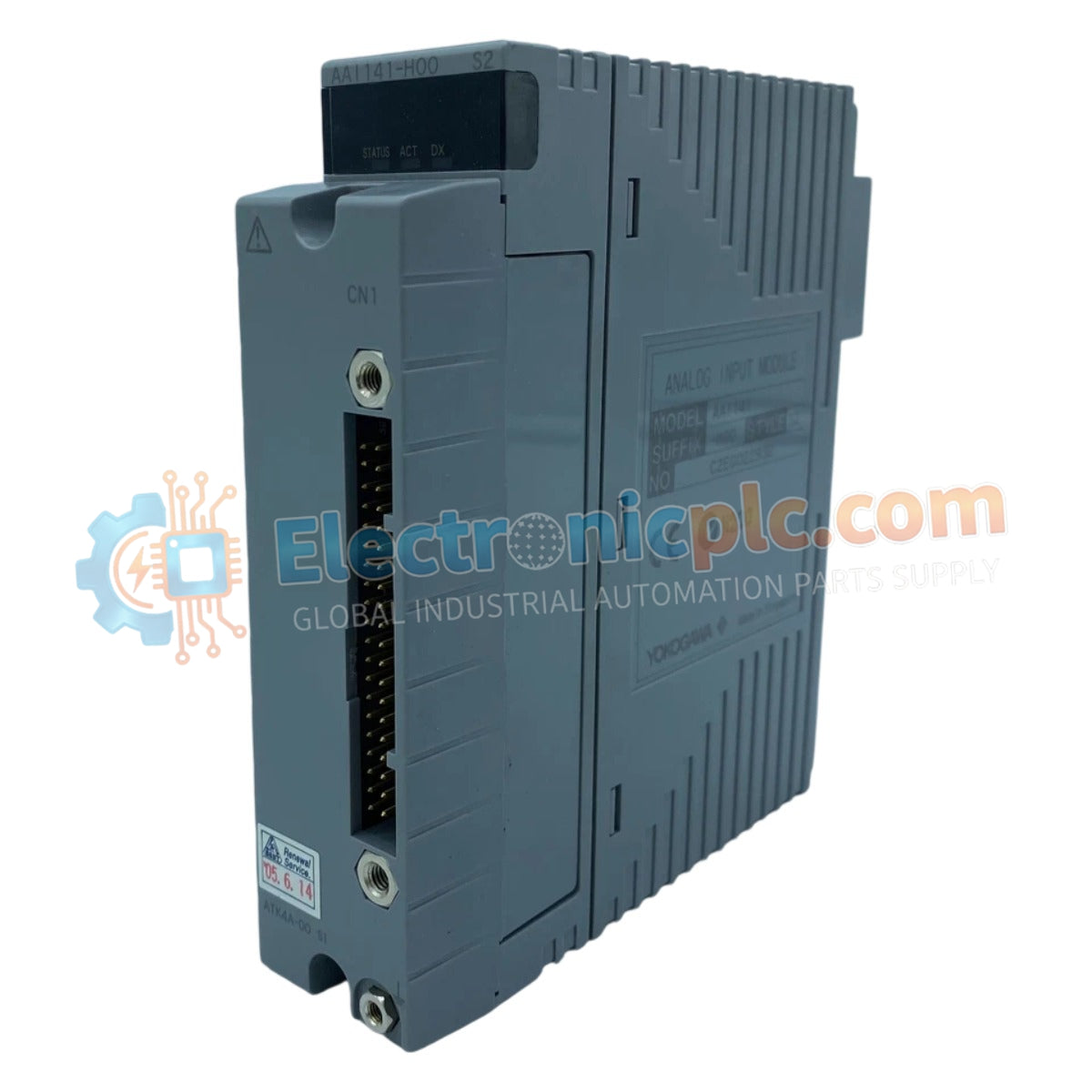
The YOKOGAWA AAI141-H00/K4A00 is a 16-channel, non-isolated analog input module engineered for integration within Yokogawa Distributed Control Systems (DCS). It is specifically designed to process 4-20 mA current signals while providing HART communication capabilities for advanced digital interaction with smart field devices.

Suffix Breakdown & Model Matrix

  • AAI141-H00: Base analog input module designation for current-based signals with HART support.
  • K4A00: Specification suffix denoting inclusion of the ATK4A-00 KS Cable Interface Adapter for flexible field connectivity.

Hardware Specifications

Parameter Specification
Model AAI141-H00/K4A00
Brand YOKOGAWA
Channels 16 (Non-isolated)
Input Range 4-20 mA (up to 25 mA permissible)
Input Impedance (ON) 250 Ω
Accuracy ±16 µA (for 1 to 23 mA range)
Data Update Period 40 ms
Power Supply (5V System) 310 mA
Power Supply (24V System) 450 mA
Withstand Voltage 1.5 kV AC for 1 minute

DCS Process Control Integration

The AAI141-H00/K4A00 module facilitates high-density signal acquisition for process monitoring. By supporting the HART protocol, the module enables the DCS to extract secondary diagnostic variables from intelligent transmitters, reducing the need for additional wiring or standalone configuration tools. The inclusion of the ATK4A-00 KS Cable Interface Adapter simplifies the connection between the module and terminal boards, streamlining the installation process in complex industrial cabinets.

Frequently Asked Questions

Q: Is this module isolated?

A: No, the AAI141-H00/K4A00 is a non-isolated analog input module. Ensure proper grounding and signal conditioning are addressed in your cabinet design to prevent ground loops.

Q: What are the transmitter power supply requirements?

A: The module provides transmitter power with a minimum output of 16.15 V at 20 mA and a maximum of 26.4 V at 0 mA.

Field Installation Guidelines

  1. Confirm that the system power is isolated before installing the module into the DCS rack.
  2. Utilize the ATK4A-00 KS Cable Interface Adapter to connect the module to your terminal board, ensuring the cables are securely seated to prevent intermittent signal loss.
  3. Tighten the front-panel mounting screws to ensure the module chassis achieves a low-impedance bond with the system ground, which is critical for reducing electromagnetic interference (EMI).
  4. Verify that all field loop wiring is torqued to manufacturer specifications to ensure long-term signal integrity and prevent resistive heating.
  5. Maintain the module's operating environment within the rated ambient temperature, noting a thermal drift characteristic of ±16 µA per 10°C change.