
My Cart
0 items
Genuine Automation Parts | Worldwide Express Delivery | 12-Month Warranty — [GET A QUOTE]

Configured for high-density signal acquisition in CENTUM series control platforms, the YOKOGAWA AAM10-S1 (AAM10-S1 Analog Input Module) provides direct physical signal conversion from field instrumentation to the system backplane bus.
...Availability: Low stock: 99 left
Reliable Worldwide Delivery
30-Day Money-Back Guarantee
Need more details? Read our fullShipping PolicyandRefund Policy.
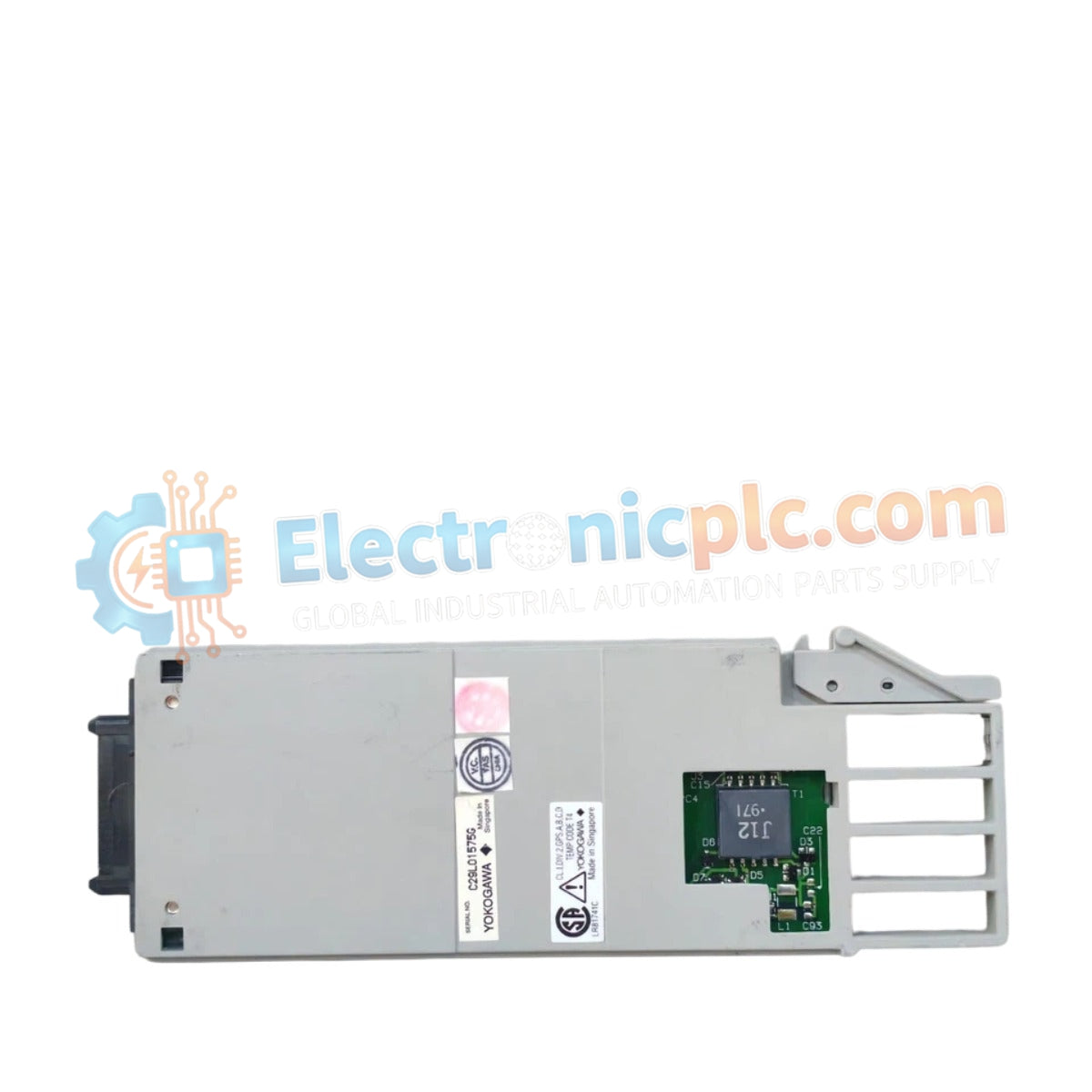
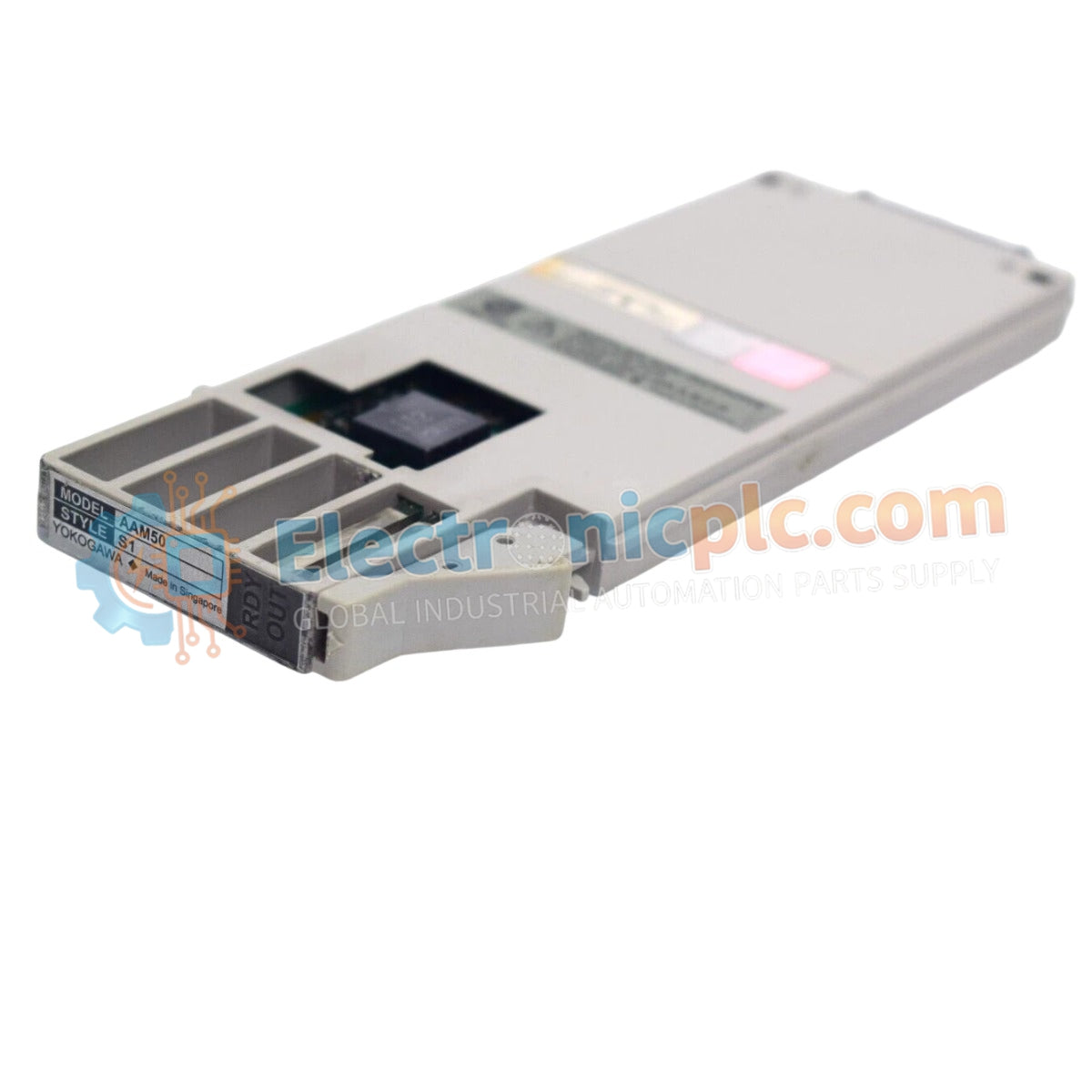
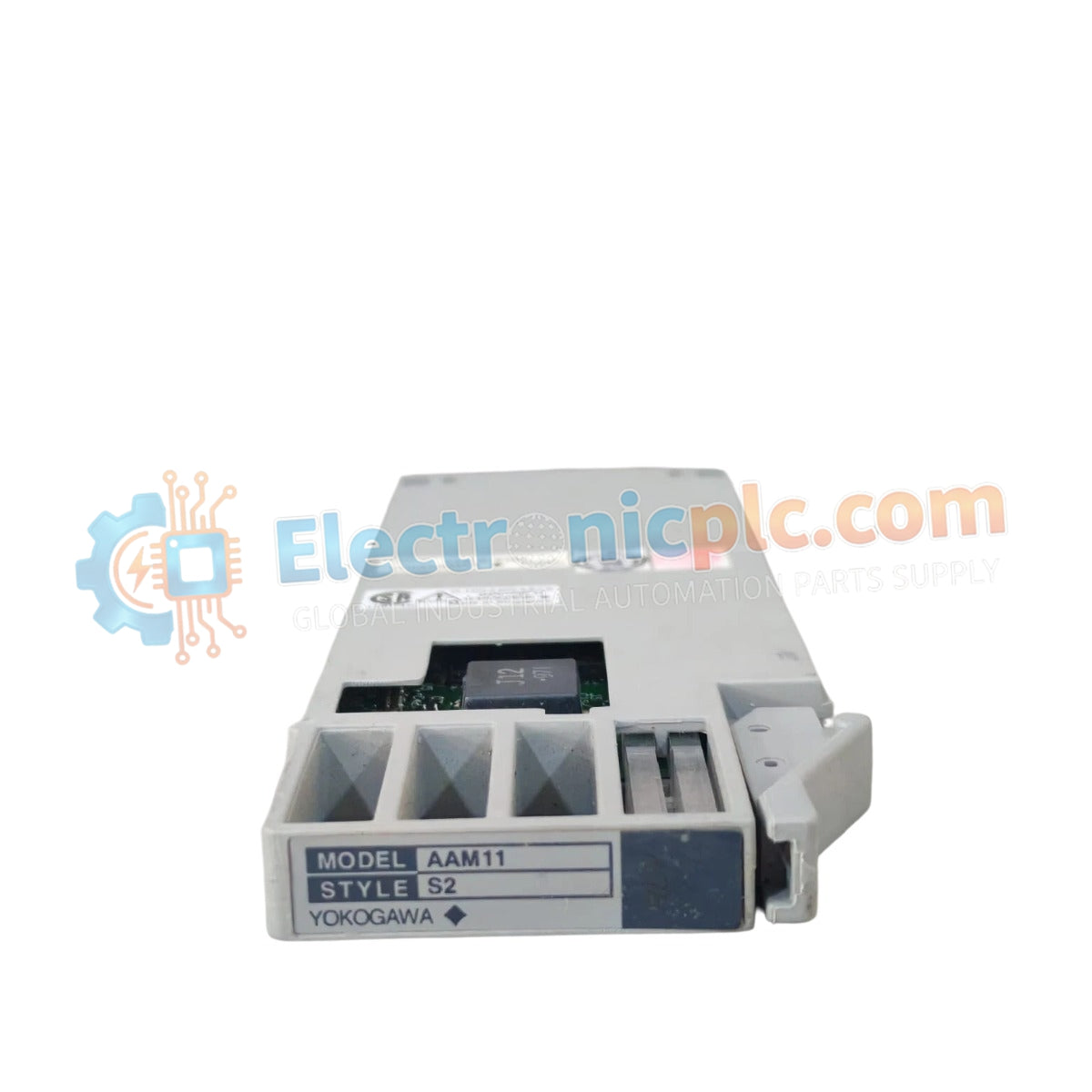
Configured for high-density signal acquisition in CENTUM series control platforms, the YOKOGAWA AAM10-S1 (AAM10-S1 Analog Input Module) provides direct physical signal conversion from field instrumentation to the system backplane bus.
| Parameter | Specification |
|---|---|
| Model | AAM10-S1 |
| Brand | YOKOGAWA |
| Origin | Japan |
| Weight | 0.63 kg |
| Dimensions | 5.1 cm x 25.4 cm x 11.4 cm |
| Operating Temp | 0 to 50 deg C |
| Power Consumption | 5.0 W |
| Channel Capacity | Multi-channel analog acquisition |
The module architecture incorporates active galvanic isolation on each input channel to prevent common-mode noise propagation and ground loop formation between disparate process loops. Integration with 4-20 mA HART loop protocol standards is supported, enabling bi-directional communication between field sensors and the system controller. The input stage utilizes precision shunt resistors for current measurement and high-impedance circuitry for voltage detection, maintaining signal linearity across the full measurement scale.
Q: Does the AAM10-S1 support hot-swap functionality during system operation?
A: Yes, the hardware supports insertion and removal while the backplane is energized; however, ensure the corresponding terminal block is configured for high-availability operation to prevent signal transients during the transition.
Q: How should the module be configured for different input signal types?
A: Input mode selection is executed via software parameters within the engineering station; verify that the terminal board wiring matches the selected input type before applying power to the field loops.


