Skip to product information
1 of 1

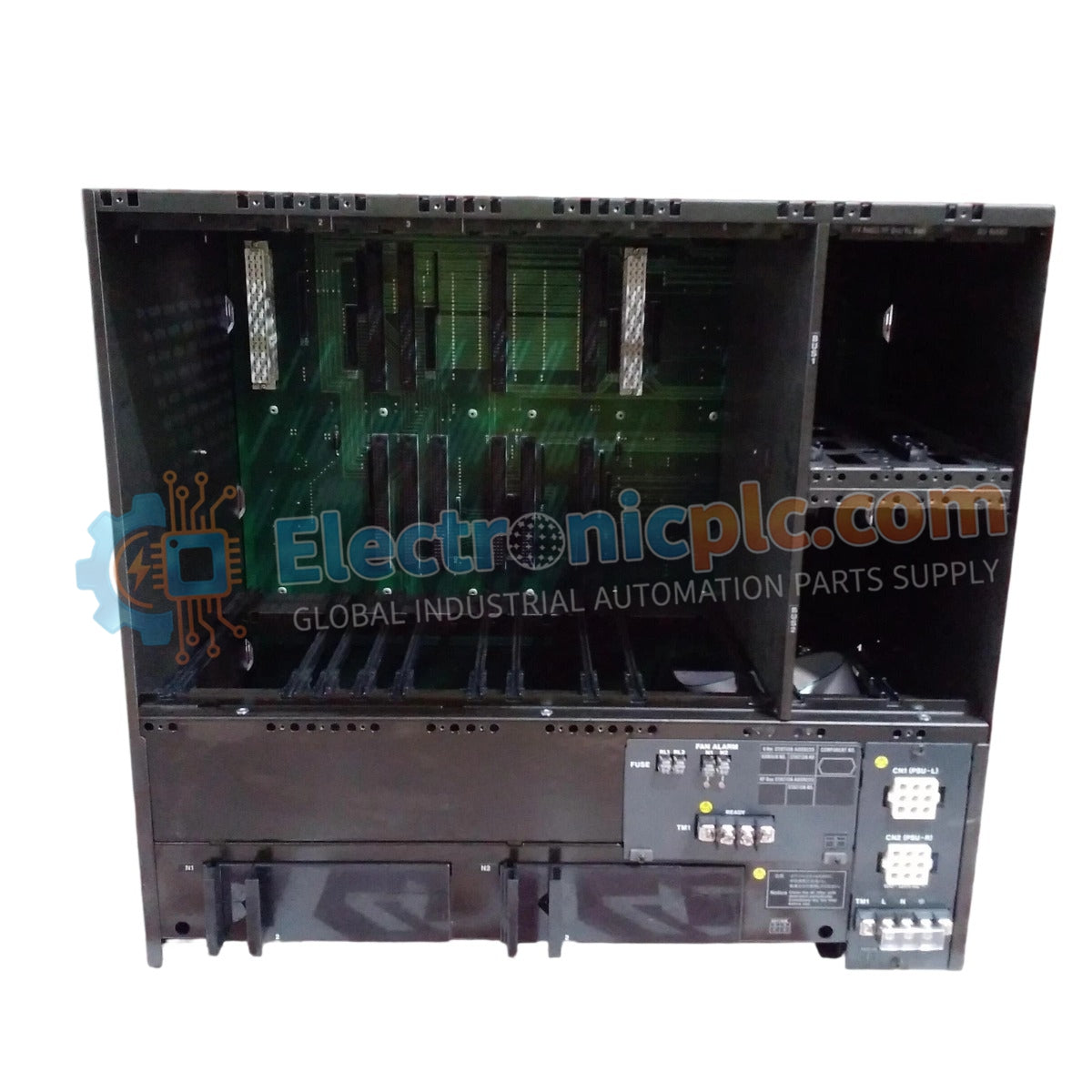
ABC11D-A2123 Yokogawa Bus Converter | New & Original Stock

ABC11D-A2123 Yokogawa Bus Converter | New & Original Stock

The Yokogawa ABC11D-A2123, also cataloged as the ABC11D Bus Converter, serves as the primary ABC11D communication component utilized to execute dual-redundant bus data conversion and network bridging across CENTUM VP...

23 people are viewing this right now

AvailabilityLow stock: 99 left

SKU: ABC11D-A2123
Vendor: Yokogawa
Category: Bus Converter
Related Series:

Shipping & Returns

Reliable Worldwide Delivery

  • Carriers: Shipped via DHL, FedEx, UPS, or USPS.
  • Dispatch: Orders processed in 1-2 business days and dispatched within 3-5 business days.
  • Tracking: Full tracking details provided via email upon shipment.

30-Day Money-Back Guarantee

  • Guarantee: 30-day return window for in-stock, factory-sealed products.
  • Condition: Items must be unopened, unused, and in original packaging.
  • Authenticity: We guarantee 100% original and authentic hardware.

Need more details? Read our fullShipping PolicyandRefund Policy.
Authenticity & Warranty

  • Genuine Guarantee: We supply only 100% original, brand-new, and factory-sealed industrial automation parts.
  • Full Coverage: Every component is backed by a 12-month comprehensive warranty from the date of purchase.
  • Traceability: All products come with original factory documentation and accessories for full industrial compliance.

Technical Support & Sourcing

  • Expert Assistance: Our technical team provides free consultation to help you verify compatibility for DCS and PLC systems.
  • Rare Part Sourcing: Specializing in obsolete and hard-to-find components from Allen-Bradley, Siemens, ABB, HIMA, and more.
  • Bulk Inquiries: Contact us at pambo@5gplc.com for volume pricing or customized project quotes.
View full product details

The Yokogawa ABC11D-A2123, also cataloged as the ABC11D Bus Converter, serves as the primary ABC11D communication component utilized to execute dual-redundant bus data conversion and network bridging across CENTUM VP control platforms.

Suffix Breakdown & Model Matrix

The ABC11D-A2123 identifier specifies the hardware interface and environmental configuration:

  • ABC11D: Base Bus Converter model series.
  • -A2123: Encodes specific bus interface protocols, voltage ratings, and network compatibility standards.

Hardware Specifications

Parameter Specification
Model ABC11D-A2123
Brand Yokogawa
Origin Japan
Weight 2.0 kg
Dimensions 230 mm x 130 mm x 80 mm
Operating Temp -20 deg C to 60 deg C
Power Consumption 50 W
Power Supply 24 V DC
Communication Dual-redundant V net, H net, Q net

Dual-Redundant Network Architecture

The ABC11D utilizes a dual-redundant architecture to maintain continuous communication between the V net and heterogeneous network segments (H net, Q net). In the event of a bus fault, the unit executes automatic switching from the primary to the secondary bus, ensuring data availability for Human Interface Stations (HIS). The module includes integrated fault detection and isolation circuitry to prevent localized network failures from propagating across the control system.

Frequently Asked Questions (FAQ)

Q: Does the automatic switching mechanism result in packet loss during a bus failure?

A: No, the switching logic is designed to be transparent to the upper-layer network protocols. The seamless failover ensures that active data frames are processed without interruption, maintaining the deterministic requirements of the CENTUM control network.

Q: Can the ABC11D-A2123 operate in non-redundant configurations?

A: While designed for dual-redundant operation, the module can interface with single-bus architectures; however, the redundancy features will remain inactive. For critical applications, dual-bus implementation is recommended to utilize the full fault-tolerant capability of the unit.

Field Installation Guidelines

  • Ensure the 24 V DC power source is stabilized and filtered to meet the 50 W power consumption requirements without voltage drops during peak network traffic.
  • Mount the unit in a location that permits at least 50 mm of airflow clearance on all sides, as internal components dissipate thermal energy during operation in high-traffic bus environments.
  • Verify that network cables are routed through shielded conduits; grounding the cable shields at the module entry point is essential for suppressing electromagnetic noise in mixed-bus environments.
  • Regularly check the diagnostic status LEDs on the front panel to ensure the primary and secondary bus status remains healthy during standard operation.