
My Cart
0 items
Genuine Automation Parts | Worldwide Express Delivery | 12-Month Warranty — [GET A QUOTE]

The Yokogawa ADM11C (ADM11C Contact Input Module) operates as a dedicated hardware component for sensing binary state changes within distributed control systems. This module detects dry contact closures or external...
Availability: Low stock: 99 left
Reliable Worldwide Delivery
30-Day Money-Back Guarantee
Need more details? Read our fullShipping PolicyandRefund Policy.


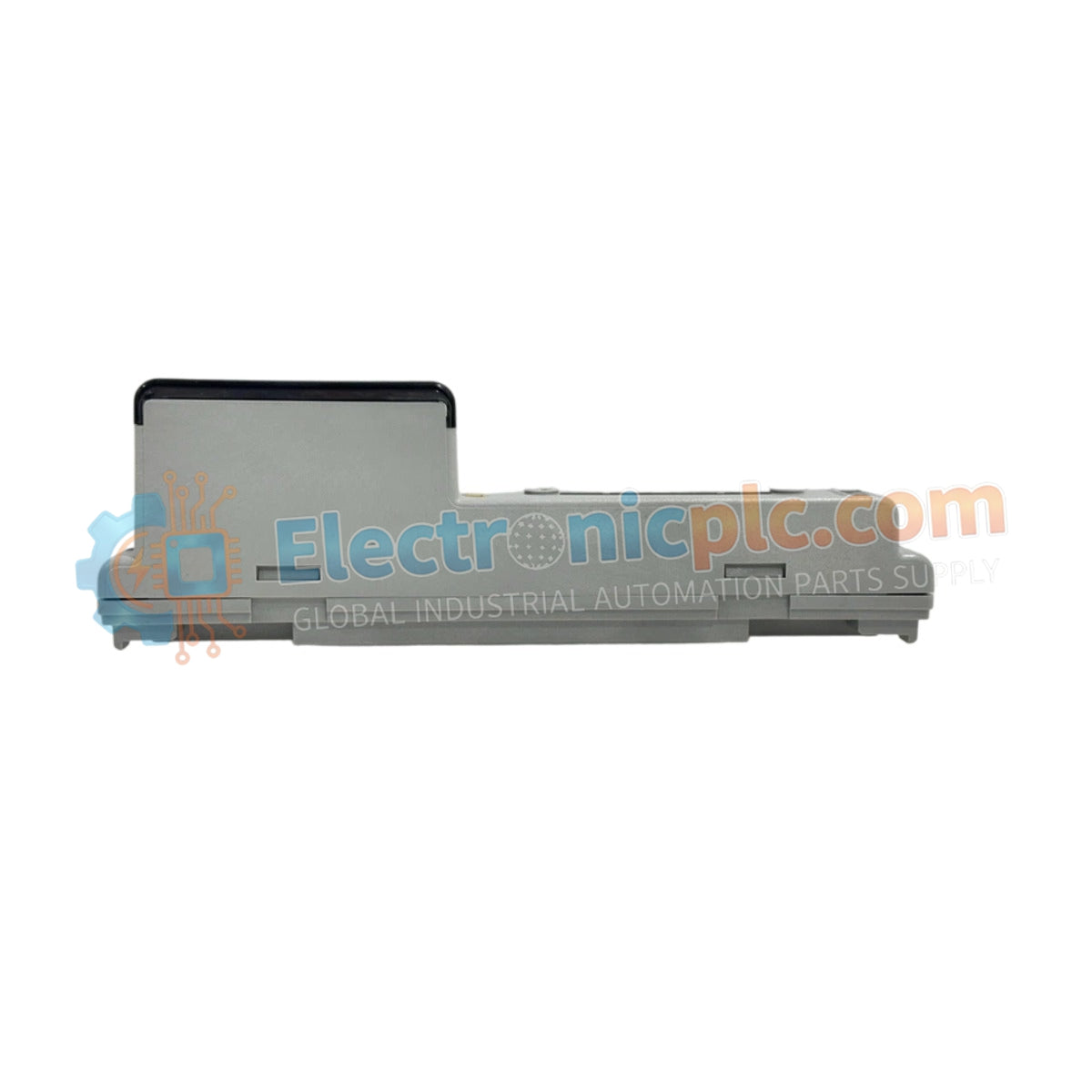
The Yokogawa ADM11C (ADM11C Contact Input Module) operates as a dedicated hardware component for sensing binary state changes within distributed control systems. This module detects dry contact closures or external voltage-level transitions, converting these physical field signals into digital data packets for processing within the Yokogawa control environment.
The ADM11C model represents a fixed-configuration input module. No additional hardware suffixes are associated with this base part number; it is delivered as a complete, non-modular assembly without field-selectable sub-components.
| Parameter | Specification |
|---|---|
| Model | ADM11C |
| Brand | Yokogawa |
| Origin | Japan |
| Weight | 0.1 kg |
| Dimensions | 2.2 cm x 12.4 cm x 12.6 cm |
| Operating Temp | -5 to 60 deg C |
| Power Consumption | 1 W (typical) |
| Input Type | Dry Contact / Voltage Level |
The ADM11C integrates into the Yokogawa instrumentation bus, supporting high-speed polling for discrete events. It utilizes channel-to-channel isolation to prevent electrical interference from field-side wiring from propagating into the control backplane. This architecture ensures that transient voltages on one input channel do not influence the logic state of adjacent channels. The module is engineered for compatibility with standard 4-20 mA loop interface cabinets, ensuring consistent signal conditioning across the process control interface.
Q: Does the ADM11C allow for hot-swapping while the rack remains energized?
A: Module replacement must be conducted according to the specific cabinet safety procedure, which typically requires isolating the terminal block or power supply to avoid transient signal spikes during insertion.
Q: How should field wiring be terminated to minimize signal noise?
A: Field wiring must be connected using shielded twisted-pair cables. The shield should be grounded only at the cabinet end to eliminate ground loop currents.


