
My Cart
0 items
Genuine Automation Parts | Worldwide Express Delivery | 12-Month Warranty — [GET A QUOTE]

Configured for discrete signal acquisition and system integration, the Yokogawa ADM51-2 S4 (ADM51-2 Contact Input Module) facilitates the monitoring of industrial switch states, sensor statuses, and field-side discrete signals within...
Availability: Low stock: 99 left
Reliable Worldwide Delivery
30-Day Money-Back Guarantee
Need more details? Read our fullShipping PolicyandRefund Policy.
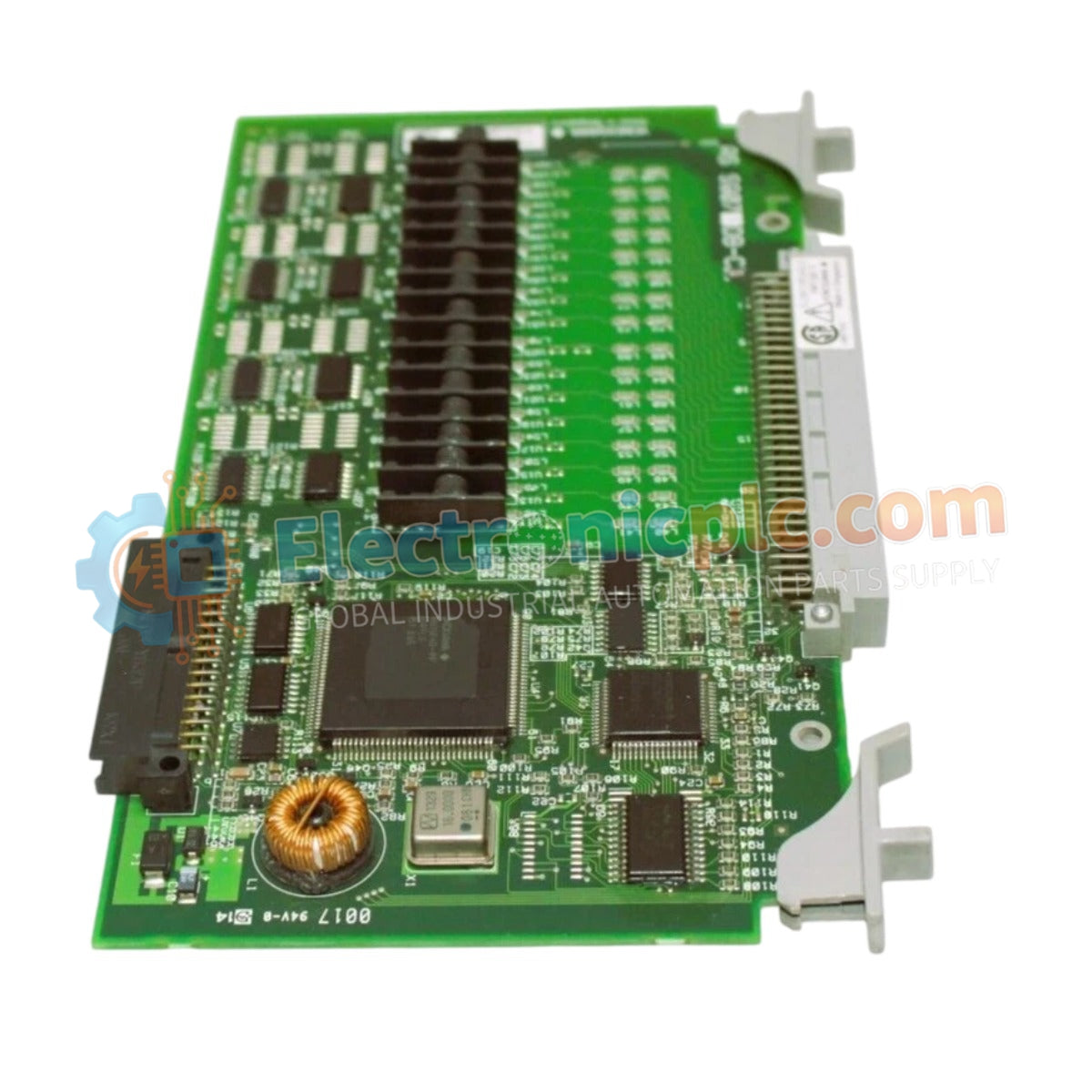

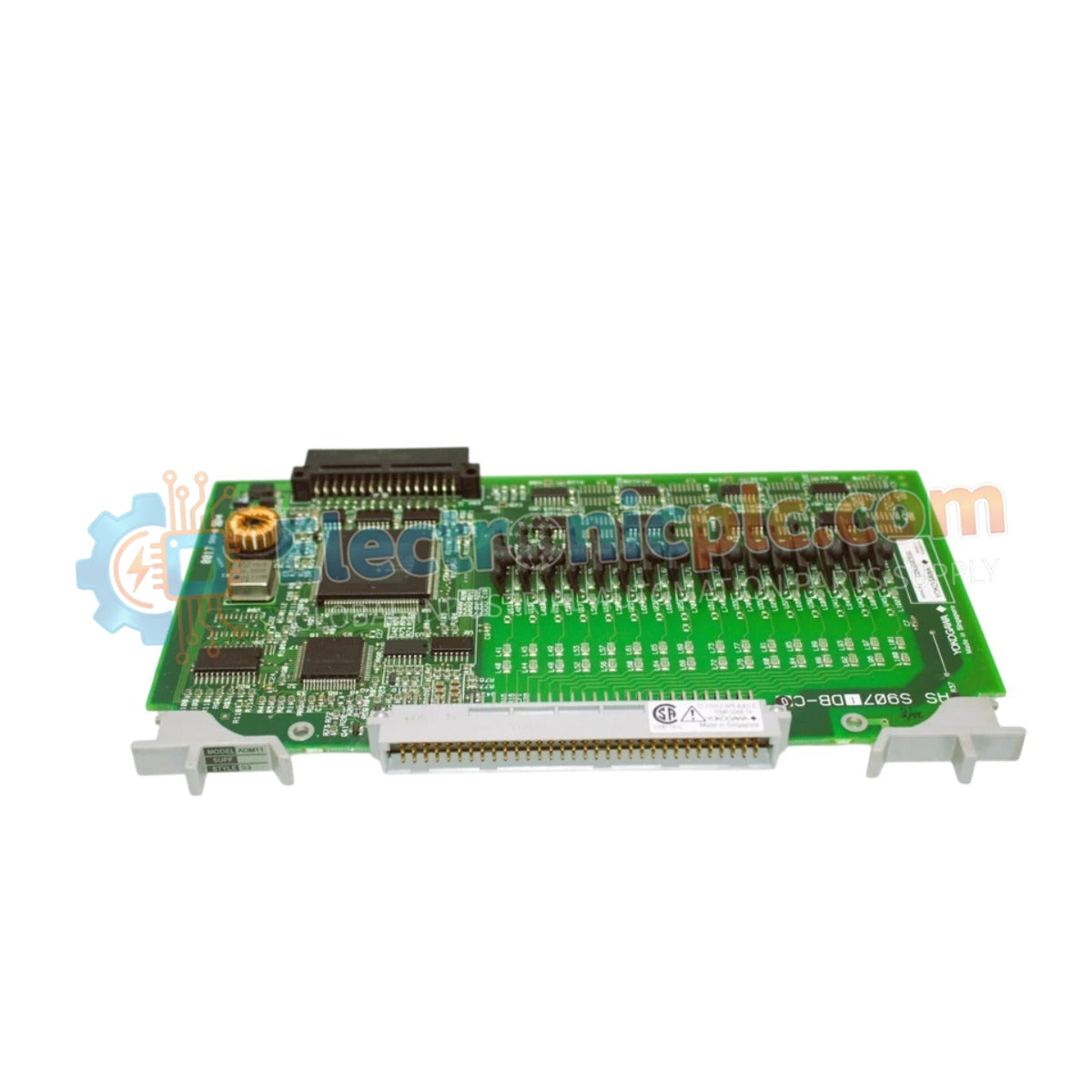
Configured for discrete signal acquisition and system integration, the Yokogawa ADM51-2 S4 (ADM51-2 Contact Input Module) facilitates the monitoring of industrial switch states, sensor statuses, and field-side discrete signals within Yokogawa distributed control systems (DCS).
| Parameter | Specification |
|---|---|
| Model | ADM51-2 S4 |
| Brand | Yokogawa |
| Origin | Japan |
| Weight | 0.2 kg |
| Dimensions | 12.7 cm x 2.5 cm x 20.3 cm |
| Operating Temp | 0 to 50 deg C |
| Component Type | Contact Input / Analog I/O Module |
| Backplane Interface | Standardized Yokogawa I/O bus |
The ADM51-2 S4 module serves as a bridge between the physical process environment and the digital control logic. By converting discrete field signals (such as contact closures) into system-readable status data, the module enables the DCS to perform real-time monitoring and interlock execution. Its multi-functional capability allows for flexible integration, ensuring that both contact input and analog signal data are processed with the high level of accuracy required for mission-critical industrial applications.
Q: Is this module strictly for contact inputs, or does it support analog signals as well?
A: The ADM51-2 S4 is designed with versatility in mind; however, always refer to the specific system documentation or pinout diagram to confirm whether your specific application requires a contact-input configuration or analog signal processing, as wiring requirements will differ significantly.
Q: Can the ADM51-2 S4 be installed in any slot within the I/O nest?
A: While the module is designed for the Yokogawa I/O bus, you must ensure the slot is configured for the module type (Input vs. Output) to prevent electrical conflicts and ensure proper communication with the field control station.


