
My Cart
0 items
Genuine Automation Parts | Worldwide Express Delivery | 12-Month Warranty — [GET A QUOTE]

The Yokogawa ADM51-2 (ADM51-2 Contact Input Module), also cataloged as an Analog Input/Output Module, operates as a dedicated hardware component for sensing discrete field states and process variables within Yokogawa...
Availability: Low stock: 99 left
Reliable Worldwide Delivery
30-Day Money-Back Guarantee
Need more details? Read our fullShipping PolicyandRefund Policy.
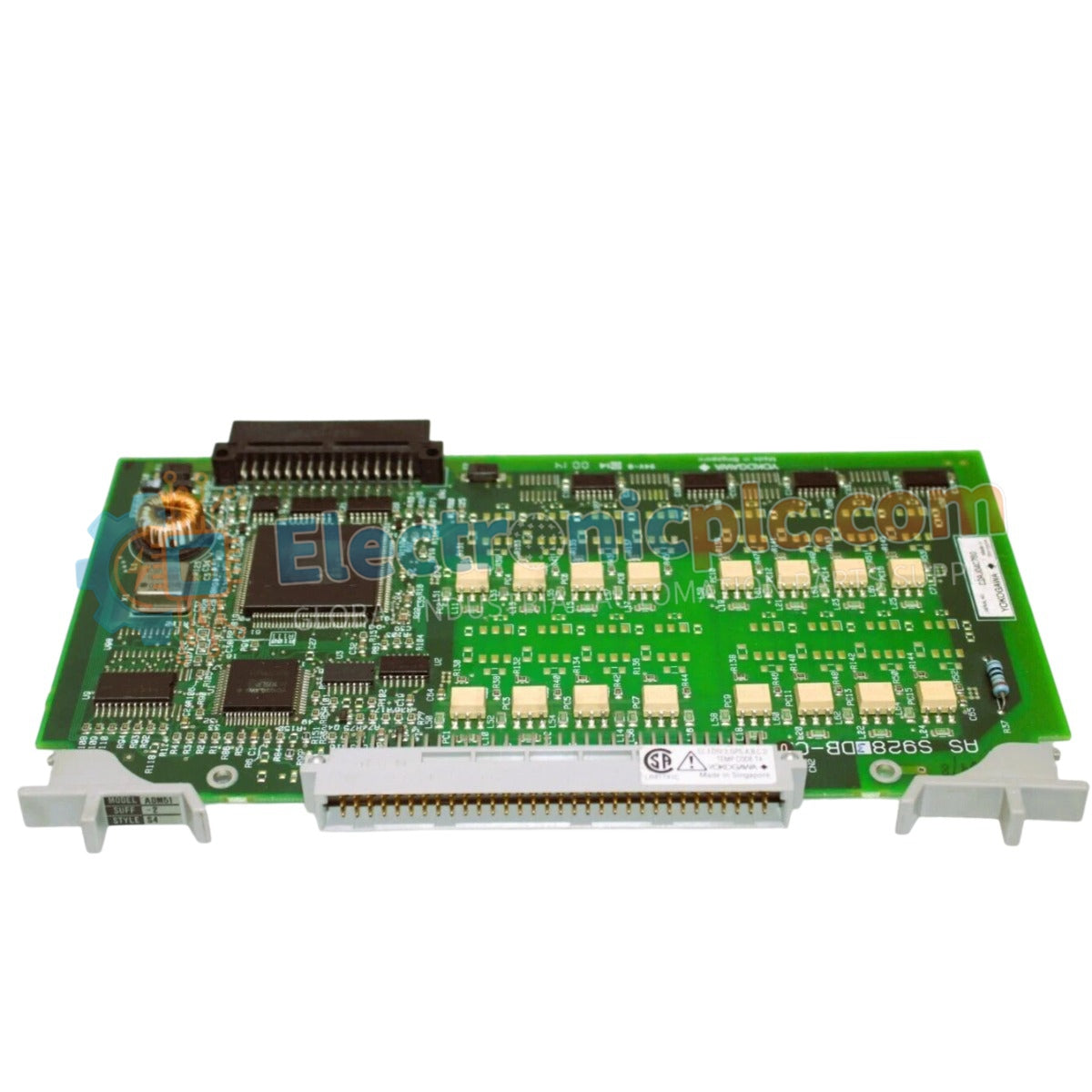

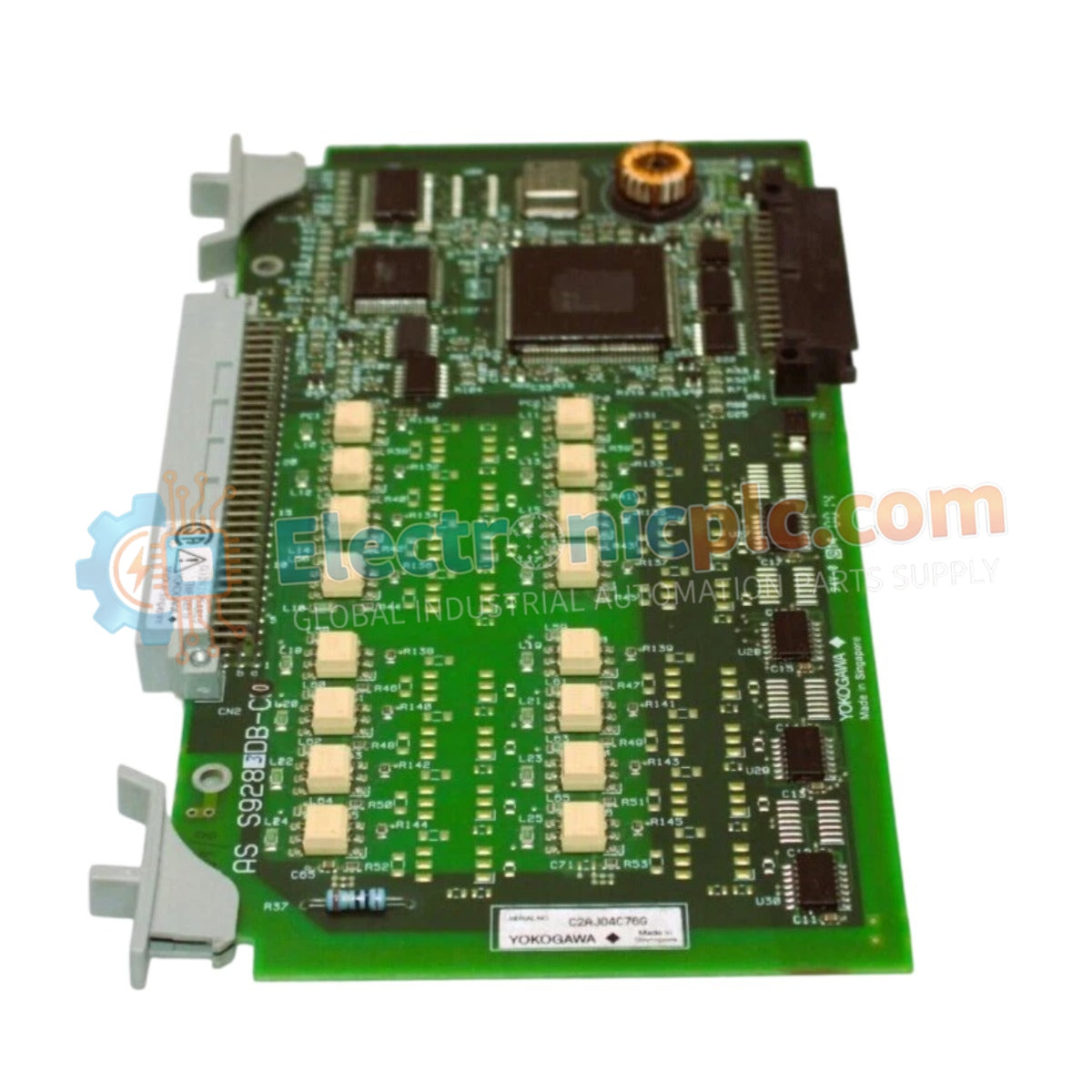
The Yokogawa ADM51-2 (ADM51-2 Contact Input Module), also cataloged as an Analog Input/Output Module, operates as a dedicated hardware component for sensing discrete field states and process variables within Yokogawa distributed control platforms. This component serves as the primary input interface utilized to execute signal acquisition across CENTUM system platforms.
| Parameter | Specification |
|---|---|
| Model | ADM51-2 |
| Brand | Yokogawa |
| Origin | Japan |
| Weight | 0.2 kg |
| Dimensions | 12.7 cm x 2.5 cm x 20.3 cm |
| Operating Temp | 0 to 60 deg C |
| Power Consumption | 2 W (nominal) |
| Module Function | Contact/Analog Input/Output |
The ADM51-2 integrates into the DCS architecture to facilitate signal processing via channel-to-channel isolation. This electrical design methodology ensures that fluctuations in input field voltage or output current demand do not compromise the integrity of the module backplane communication bus. Furthermore, the module supports cold junction compensation (CJC) logic, which maintains accurate readings for instrumentation loops requiring precise environmental stability during operation.
Q: Can this module be used for both contact sensing and analog signal processing simultaneously?
A: The ADM51-2 is designed for specific I/O configurations; verify the module firmware mapping within the CENTUM project database to confirm current channel allocation for either contact or analog modes.
Q: What is the primary precaution for module extraction from an active backplane?
A: Users must isolate all field-side power sources connected to the terminal block before unseating the module to prevent backplane bus communication errors or transient power surges.


