
My Cart
0 items
Genuine Automation Parts | Worldwide Express Delivery | 12-Month Warranty — [GET A QUOTE]

Configured for high-capacity power distribution in DCS cabinet architectures, the YOKOGAWA AEPV7D-25 (AEPV7D-25 Primary Power Supply Bus Unit) provides direct electrical current delivery for critical instrumentation hardware. This component serves...
Availability: Low stock: 99 left
Reliable Worldwide Delivery
30-Day Money-Back Guarantee
Need more details? Read our fullShipping PolicyandRefund Policy.


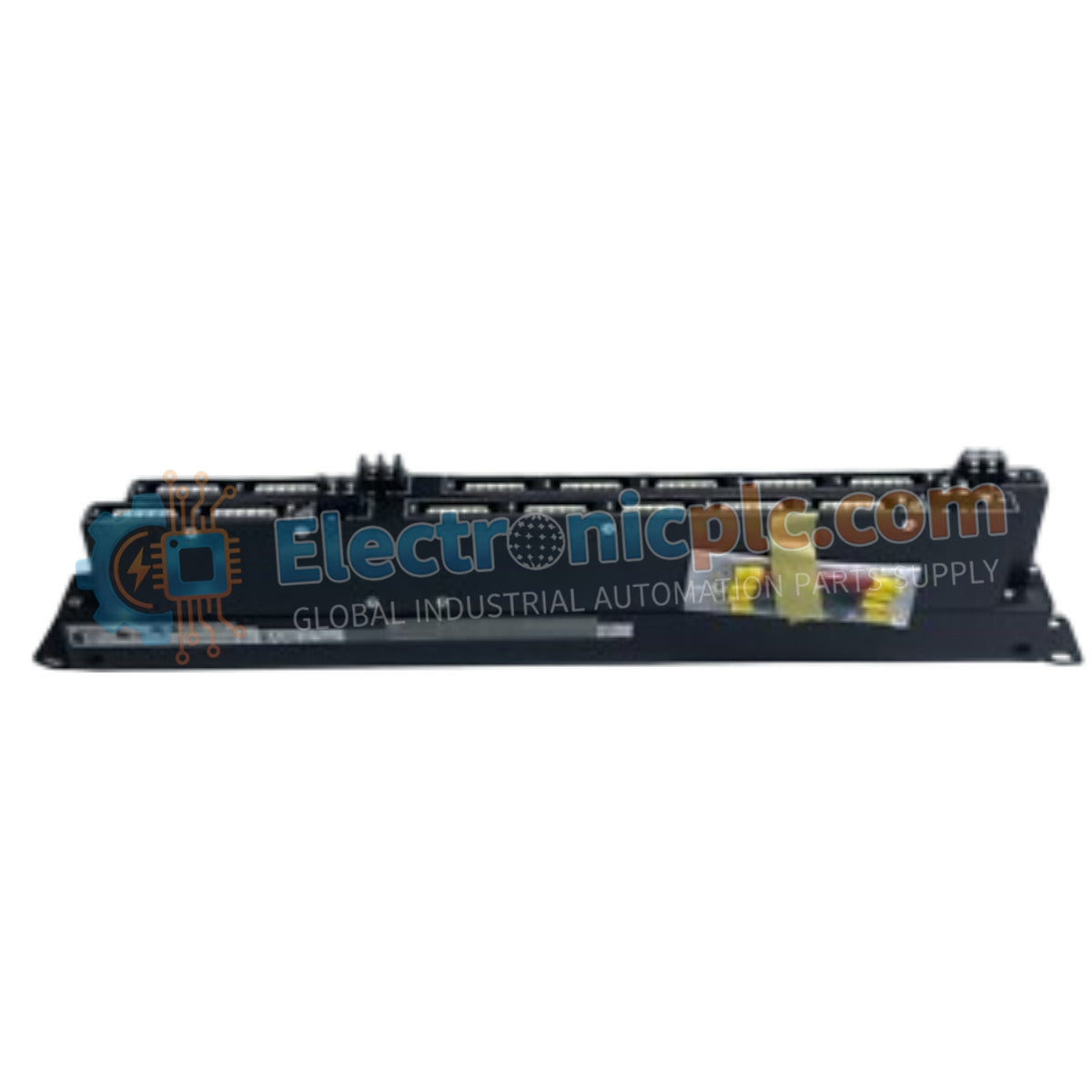
Configured for high-capacity power distribution in DCS cabinet architectures, the YOKOGAWA AEPV7D-25 (AEPV7D-25 Primary Power Supply Bus Unit) provides direct electrical current delivery for critical instrumentation hardware. This component serves as the primary distribution node utilized to execute power bus management across industrial control platforms.
| Parameter | Specification |
|---|---|
| Model | AEPV7D-25 |
| Brand | Yokogawa |
| Origin | Subject to manufacturing batch |
| Weight | 1.8 kg |
| Dimensions | Standard cabinet mounting form factor |
| Operating Temp | Standard industrial ambient range |
| Power Consumption | Not applicable (Distribution component) |
| Input Voltage | 220 to 240 V AC |
| Withstanding Voltage | 1500 V AC |
| Max Current (Unit) | 20 A |
| Max Current (Port) | 6 A |
The AEPV7D-25 manages the primary power bus, providing a stable 220 to 240 V AC supply to modular control components. The unit is engineered to maintain low-impedance power paths, ensuring that voltage fluctuations do not affect the sensitive electronics of connected Field Control Units (FCUs) or I/O modules. With a 20 A total unit capacity and 6 A per-port limit, it provides the necessary overhead for redundant power configurations in high-density rack setups.
Q: Does the AEPV7D-25 require external circuit protection?
A: The bus unit is designed to work within a protected electrical environment. It must be installed downstream of appropriate branch circuit protection (e.g., circuit breakers or fuses) sized according to the 20 A total unit capacity.
Q: Is the 6 A per-port limit a physical or electronic current threshold?
A: It is an electrical design limit based on the terminal interface and conductor sizing. Exceeding this limit will cause localized heating at the connector interface, potentially leading to terminal degradation or premature failure.


