Skip to product information
1 of 2

AFF50D-H41111 Yokogawa Field Control Unit | New & Original Stock

AFF50D-H41111 Yokogawa Field Control Unit | New & Original Stock

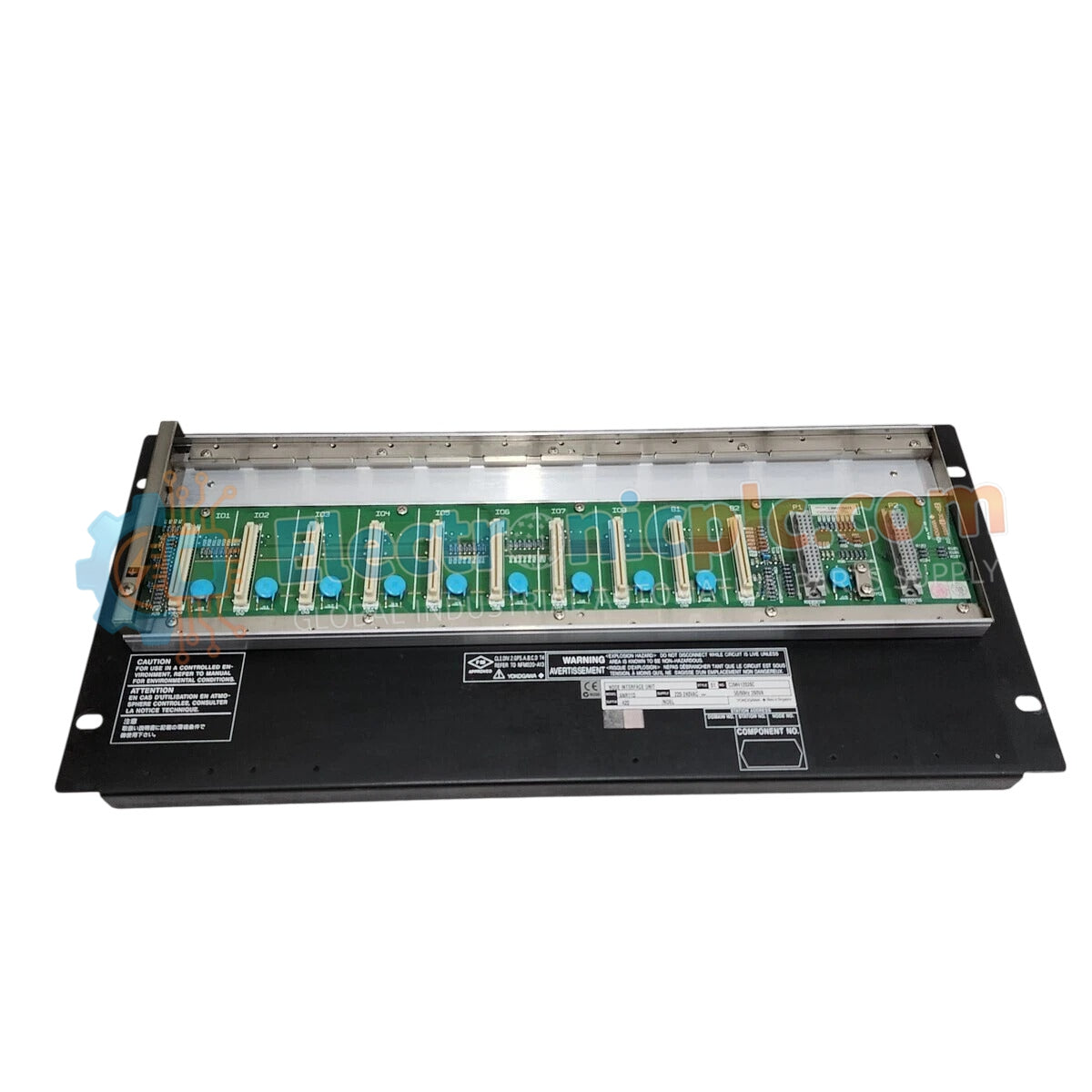
Configured for high-availability process management in DCS platforms, the Yokogawa AFF50D-H41111 (AFF50D-H41111 Field Control Unit) provides direct physical/electrical execution of real-time industrial process control and monitoring tasks.

Hardware Specifications

20 people are viewing this right now

AvailabilityLow stock: 99 left

SKU: AFS30D-H4113
Vendor: Yokogawa
Category: Field Control Unit
Related Series:

Shipping & Returns

Reliable Worldwide Delivery

  • Carriers: Shipped via DHL, FedEx, UPS, or USPS.
  • Dispatch: Orders processed in 1-2 business days and dispatched within 3-5 business days.
  • Tracking: Full tracking details provided via email upon shipment.

30-Day Money-Back Guarantee

  • Guarantee: 30-day return window for in-stock, factory-sealed products.
  • Condition: Items must be unopened, unused, and in original packaging.
  • Authenticity: We guarantee 100% original and authentic hardware.

Need more details? Read our fullShipping PolicyandRefund Policy.

Authenticity & Warranty

  • Genuine Guarantee: We supply only 100% original, brand-new, and factory-sealed industrial automation parts.
  • Full Coverage: Every component is backed by a 12-month comprehensive warranty from the date of purchase.
  • Traceability: All products come with original factory documentation and accessories for full industrial compliance.

Technical Support & Sourcing

  • Expert Assistance: Our technical team provides free consultation to help you verify compatibility for DCS and PLC systems.
  • Rare Part Sourcing: Specializing in obsolete and hard-to-find components from Allen-Bradley, Siemens, ABB, HIMA, and more.
  • Bulk Inquiries: Contact us at pambo@5gplc.com for volume pricing or customized project quotes.
View full product details

Configured for high-availability process management in DCS platforms, the Yokogawa AFF50D-H41111 (AFF50D-H41111 Field Control Unit) provides direct physical/electrical execution of real-time industrial process control and monitoring tasks.

Hardware Specifications

Parameter Specification
Model AFF50D-H41111
Brand Yokogawa
Origin Japan
Weight 3.5 kg
Dimensions 17.8 cm x 22.9 cm x 25.4 cm
Operating Temp Industrial grade (consult system manual)
Power Consumption 200 VA
Power Supply 100-120 VAC, 50/60 Hz
Redundancy Dual redundant processors

DCS Process Control and Network Determinism

The unit utilizes a dual-processor architecture to maintain system-wide process continuity through high-speed redundancy switching. This modular design supports scalable I/O expansion, allowing the controller to interface with diverse field instrumentation via high-speed deterministic communication protocols. The internal bus structure is optimized for low-latency command execution and continuous data synchronization between primary and standby processor modules, ensuring that the control system adheres to strict cycle-time requirements in demanding industrial environments.

Frequently Asked Questions

Q: How is the switchover handled during a processor failure?

A: The system implements an active-standby redundancy mechanism. Upon detection of a primary processor fault, the standby processor assumes control of the I/O bus and communication interfaces with a deterministic switchover time designed to prevent process disruption.

Q: Is the unit compatible with existing field networks using non-Yokogawa protocols?

A: The unit supports multiple communication protocols for subsystem integration. Specific interoperability is managed through the hardware's communication interface modules and the DCS software configuration.

Field Installation Guidelines

  1. Verify that the incoming 100-120 VAC power supply is stabilized and protected by an appropriate circuit breaker to meet the 200 VA power consumption load.
  2. Ensure the unit is mounted in a vertical orientation within the control cabinet to facilitate convection cooling across the internal heat sinks.
  3. Establish a robust protective earth (PE) connection to the chassis grounding lug to mitigate electrical noise and protect the redundant processor circuitry from surge events.
  4. Route communication cables through dedicated, shielded pathways to maintain signal determinism and prevent electromagnetic interference (EMI).
  5. After installing the module and power connections, perform a system integrity test using the engineering workstation to verify processor synchronization and communication link status.