
My Cart
0 items
Genuine Automation Parts | Worldwide Express Delivery | 12-Month Warranty — [GET A QUOTE]

Configured for high-speed signal distribution within distributed I/O architectures, the YOKOGAWA AIP181 (AIP181 Electrical Transceiver RIO I/O Module) provides direct physical signal translation and network coupling for Remote I/O (RIO)...
Availability: Low stock: 99 left
Reliable Worldwide Delivery
30-Day Money-Back Guarantee
Need more details? Read our fullShipping PolicyandRefund Policy.


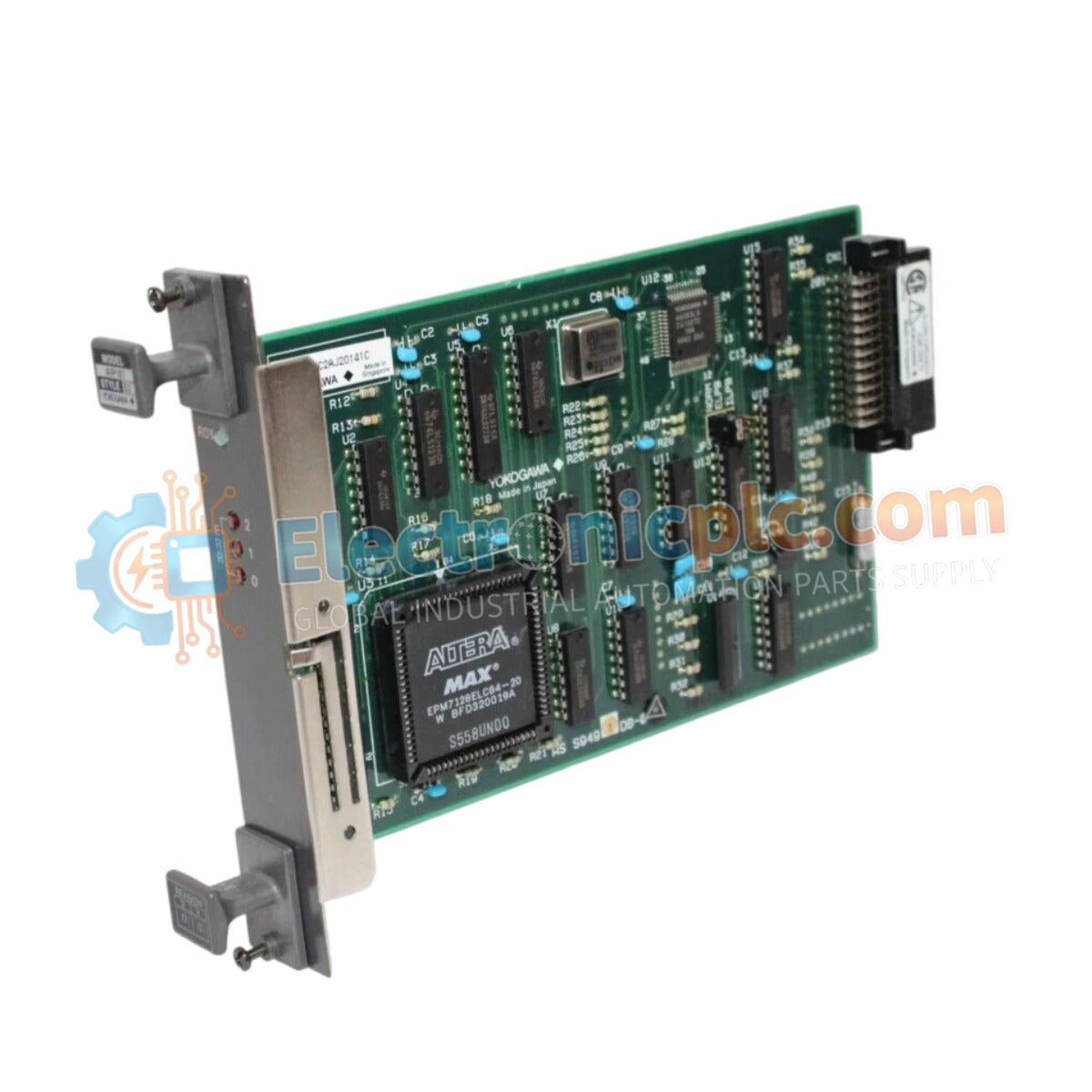
Configured for high-speed signal distribution within distributed I/O architectures, the YOKOGAWA AIP181 (AIP181 Electrical Transceiver RIO I/O Module) provides direct physical signal translation and network coupling for Remote I/O (RIO) subsystems. This hardware component serves as the primary gateway utilized to execute data transmission between field-level control devices and system controllers across industrial networks.
| Parameter | Specification |
|---|---|
| Model | AIP181 |
| Brand | Yokogawa |
| Origin | Japan |
| Weight | 0.16 kg |
| Dimensions | Standard PLC/Add-On Board form factor |
| Operating Temp | Standard industrial ambient range |
| Power Consumption | Nominal backplane power supply |
| Function | Electrical transceiver for RIO I/O |
The AIP181 manages the electrical layer of the RIO protocol, converting digital control signals into the appropriate physical format for transmission over the network bus. This transceiver architecture is optimized to maintain data integrity across varying cable lengths, mitigating attenuation and signal distortion common in distributed instrumentation environments. It serves as a bridge for I/O communication, ensuring that signals from remote sensors and actuators are synchronized with the central processor's cycle.
Q: As this is a discontinued component, what are the primary considerations for long-term support?
A: Given the discontinued status, maintenance strategies should prioritize internal cabinet environmental control—specifically temperature and humidity regulation—to extend the functional lifespan of the existing board. Future migration paths to active series components should be evaluated according to the system integration lifecycle.
Q: Is the AIP181 susceptible to electrical noise from proximity to heavy power cabling?
A: Yes, as an electrical transceiver, it is sensitive to electromagnetic interference (EMI). Installation must ensure physical segregation from power lines and VFD cabling to prevent packet loss or communication jitter on the RIO bus.


