
My Cart
0 items
Genuine Automation Parts | Worldwide Express Delivery | 12-Month Warranty — [GET A QUOTE]

Configured for high-speed signal distribution and system connectivity in industrial control architectures, the YOKOGAWA AIP261 (AIP261 Interface Expansion Card) provides direct physical execution of backplane I/O expansion and bus communication...
Availability: In stock
Reliable Worldwide Delivery
30-Day Money-Back Guarantee
Need more details? Read our fullShipping PolicyandRefund Policy.


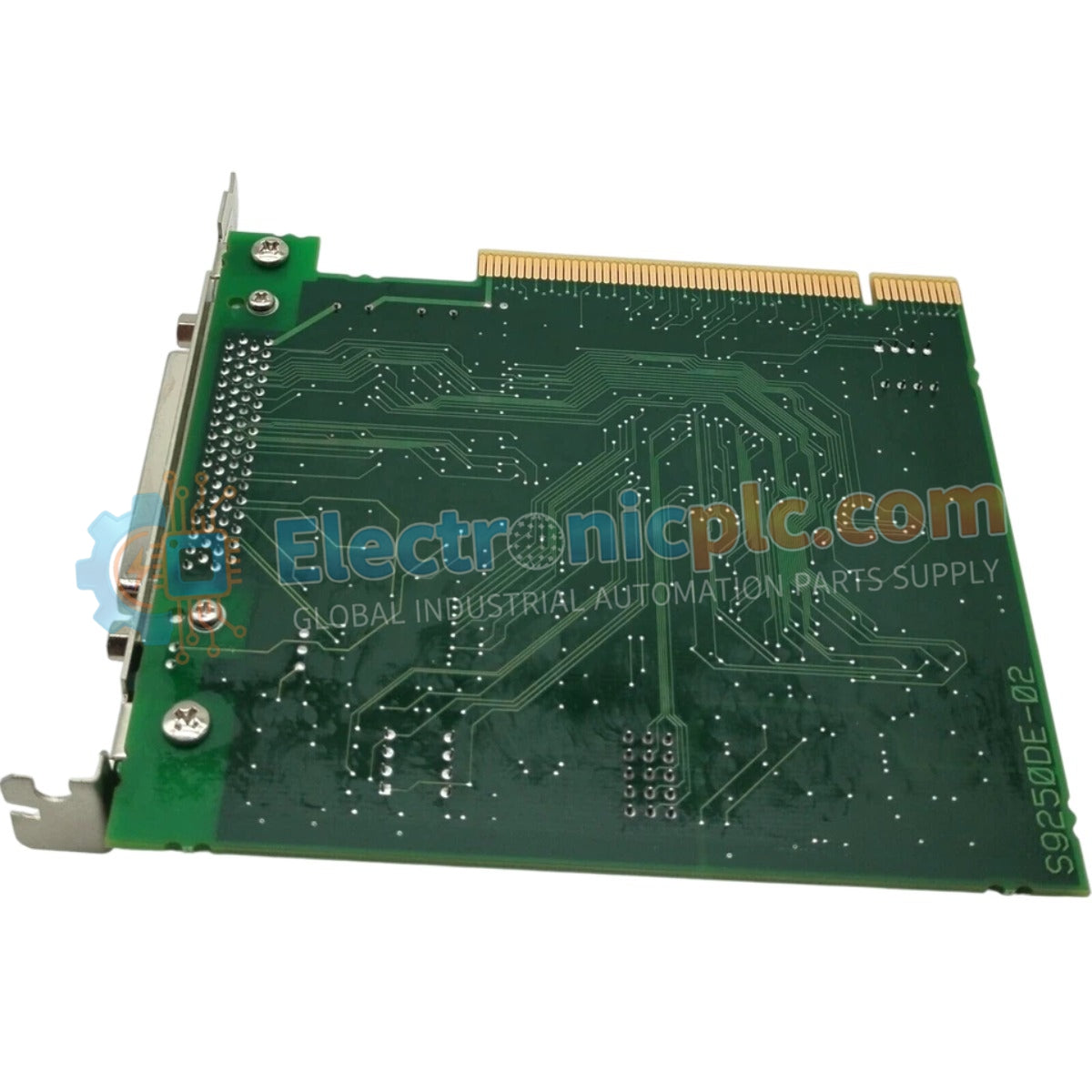
Configured for high-speed signal distribution and system connectivity in industrial control architectures, the YOKOGAWA AIP261 (AIP261 Interface Expansion Card) provides direct physical execution of backplane I/O expansion and bus communication management.
| Parameter | Specification |
|---|---|
| Model | AIP261 |
| Brand | YOKOGAWA |
| Origin | Japan |
| Weight | 0.65 kg |
| Dimensions | 2.5 cm x 12.7 cm x 14.0 cm |
| Operating Temp | 0 deg C to 60 deg C |
| Power Consumption | Passive (backplane powered) |
| Module Type | Interface Expansion Card |
| Interface | Proprietary system bus |
The AIP261 expansion card is engineered to maintain high-speed deterministic data throughput between the primary controller and remote I/O subsystems. In distributed control network environments, maintaining consistent backplane bus communication velocity is required to prevent synchronization errors and jitter. The module architecture incorporates low-latency buffering and signal regeneration to ensure that control packets are transmitted across the expansion interface without degradation, supporting the real-time requirements of complex process automation.
Q: Does the AIP261 require specific firmware configuration upon installation?
A: Yes. The system controller must recognize the card via the hardware configuration utility. Ensure that the controller firmware is updated to support the AIP261 expansion interface to enable seamless data exchange.
Q: Is the AIP261 compatible with both copper and optical expansion cabling?
A: The AIP261 is designed for specific interface standards. Verify the port type and system cabling requirements defined in the Yokogawa technical manual to ensure physical compatibility with the existing expansion bus infrastructure.


