Skip to product information
1 of 3

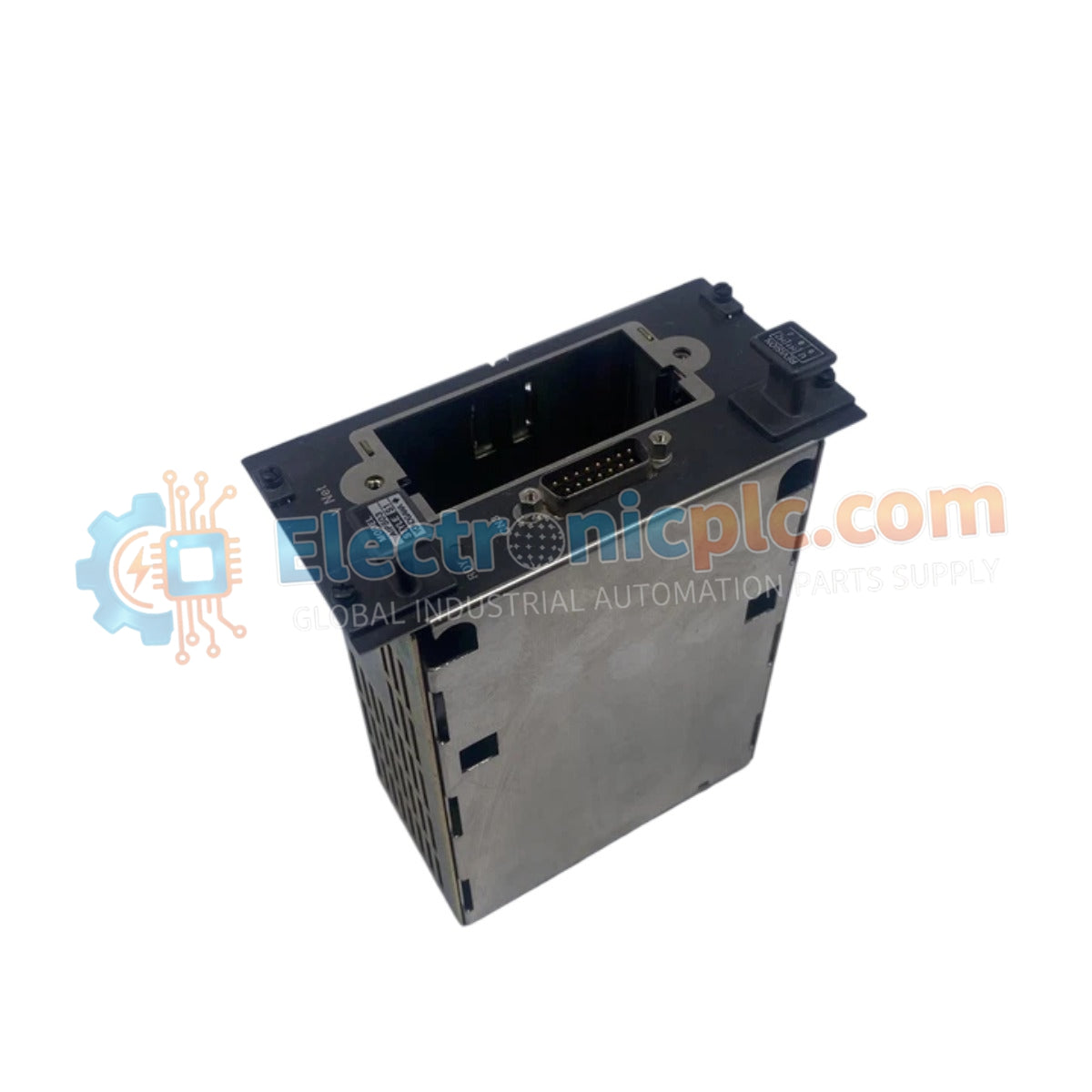
AIP503 YOKOGAWA Coupler Module | New & Original Stock

AIP503 YOKOGAWA Coupler Module | New & Original Stock

Configured for high-speed network integration within Yokogawa control platforms, the YOKOGAWA AIP503-S1 (AIP503-S1 Coupler Module) provides direct physical signal transmission and data bridging between field instrumentation and V-NET process control...

20 people are viewing this right now

AvailabilityLow stock: 99 left

SKU: AIP503
Vendor: Yokogawa
Category: Coupler Module
Related Series:

Shipping & Returns

Reliable Worldwide Delivery

  • Carriers: Shipped via DHL, FedEx, UPS, or USPS.
  • Dispatch: Orders processed in 1-2 business days and dispatched within 3-5 business days.
  • Tracking: Full tracking details provided via email upon shipment.

30-Day Money-Back Guarantee

  • Guarantee: 30-day return window for in-stock, factory-sealed products.
  • Condition: Items must be unopened, unused, and in original packaging.
  • Authenticity: We guarantee 100% original and authentic hardware.

Need more details? Read our fullShipping PolicyandRefund Policy.

Authenticity & Warranty

  • Genuine Guarantee: We supply only 100% original, brand-new, and factory-sealed industrial automation parts.
  • Full Coverage: Every component is backed by a 12-month comprehensive warranty from the date of purchase.
  • Traceability: All products come with original factory documentation and accessories for full industrial compliance.

Technical Support & Sourcing

  • Expert Assistance: Our technical team provides free consultation to help you verify compatibility for DCS and PLC systems.
  • Rare Part Sourcing: Specializing in obsolete and hard-to-find components from Allen-Bradley, Siemens, ABB, HIMA, and more.
  • Bulk Inquiries: Contact us at pambo@5gplc.com for volume pricing or customized project quotes.
View full product details

Configured for high-speed network integration within Yokogawa control platforms, the YOKOGAWA AIP503-S1 (AIP503-S1 Coupler Module) provides direct physical signal transmission and data bridging between field instrumentation and V-NET process control networks. This hardware component serves as the primary gateway utilized to execute network communication synchronization across CENTUM CS and CENTUM VP platforms.

Suffix Breakdown & Model Matrix

  • AIP503: Base model identifier for the V-NET coupler module.
  • -S1: Designates the specific hardware revision and interface configuration variant.

Hardware Specifications

Parameter Specification
Model AIP503-S1
Brand Yokogawa
Origin Japan
Weight 1.8 kg
Dimensions 7.6 cm x 15.2 cm x 17.8 cm
Operating Temp Standard industrial ambient range
Power Consumption 24 VDC
Network Type V-NET (10BASE-5)

Process Control Network Connectivity

The AIP503-S1 manages the V-NET (10BASE-5) communication protocol to ensure deterministic data exchange across the distributed control architecture. By acting as a bridge, the module performs the necessary electrical and logical signal conversion required for high-velocity transmission between the field-level data bus and the system network. This ensures low-latency polling of field devices and robust performance in real-time control applications.

Frequently Asked Questions

Q: Does the AIP503-S1 require a specific transceiver for the V-NET connection?

A: The module is designed for 10BASE-5 connectivity; ensure that the appropriate AUI (Attachment Unit Interface) cables and external transceivers are utilized if the network backbone requires a physical medium transition.

Q: How is the module grounded to the cabinet chassis?

A: The AIP503-S1 utilizes the mounting fasteners and dedicated backplane ground lugs to establish a chassis bond. Ensure these connections are clean and tightened to provide an effective path for transient electrical noise.

Field Installation Guidelines

  • Verify that the 24 VDC power source is stable and correctly terminated to the module's power input before system activation.
  • Inspect the V-NET interface ports for pin alignment and oxidation prior to cable connection.
  • Route network cabling through dedicated shielded conduits, maintaining separation from high-voltage power lines to prevent signal packet errors.
  • Secure the coupler module within the rack-mount assembly to prevent vibration-induced intermittent connectivity.
  • Perform a V-NET diagnostic check using the DCS engineering software after installation to confirm that the node status is healthy and communication latency is within nominal parameters.