
My Cart
0 items
Genuine Automation Parts | Worldwide Express Delivery | 12-Month Warranty — [GET A QUOTE]

Configured for high-speed network integration in control systems, the Yokogawa AIP532 (AIP532 ESB Bus Coupler Module) provides direct physical execution of data signal bridging between the V-Net and the Extended...
Availability: Low stock: 99 left
Reliable Worldwide Delivery
30-Day Money-Back Guarantee
Need more details? Read our fullShipping PolicyandRefund Policy.


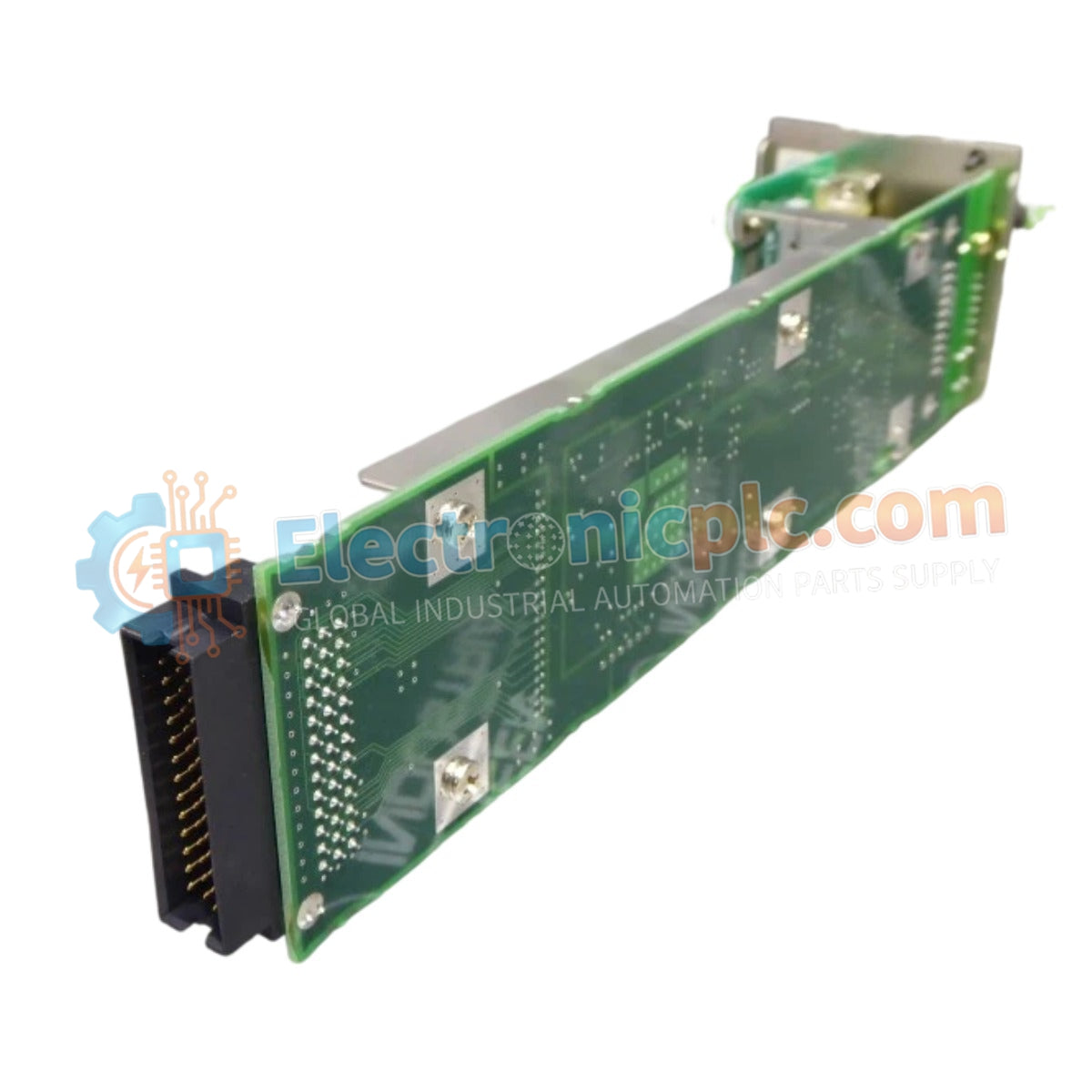
Configured for high-speed network integration in control systems, the Yokogawa AIP532 (AIP532 ESB Bus Coupler Module) provides direct physical execution of data signal bridging between the V-Net and the Extended Standard Bus (ESB) communication segments.
| Parameter | Specification |
|---|---|
| Model | AIP532 |
| Brand | Yokogawa |
| Origin | Japan |
| Weight | 1.2 kg |
| Dimensions | 6.3 cm x 6.3 cm x 24.1 cm |
| Operating Temp | 0 deg C to 50 deg C |
| Power Consumption | 24 VDC |
| Bus Interface | ESB (Extended Standard Bus) |
The AIP532 architecture is engineered to maintain strict channel-to-channel isolation between the control bus and the field-level I/O nodes. The module facilitates seamless protocol mapping, ensuring that traffic between the DCS controller and distributed I/O racks adheres to deterministic latency requirements. By utilizing advanced signal conditioning, the unit effectively isolates electromagnetic interference common in high-density rack environments, while its internal logic manages cold junction compensation (CJC) for integrated thermal measurement modules where applicable.
Q: Can the AIP532 be hot-swapped during active system operation?
A: No, this module must not be extracted or inserted while the system backplane is energized. Power must be fully isolated to prevent electrical transients from causing logic corruption on the ESB bus.
Q: How should the ESB bus termination be verified?
A: The ESB bus requires active termination at the final node of the communication chain. Impedance must be measured at 120-ohm (nominal) between the communication lines to ensure proper signal termination and minimize packet loss.


