
My Cart
0 items
Genuine Automation Parts | Worldwide Express Delivery | 12-Month Warranty — [GET A QUOTE]

Configured for multi-protocol serial data orchestration within Yokogawa control networks, the YOKOGAWA AIP581 (AIP581 Transceiver RIO I/O Module) provides direct physical signal translation and protocol management between Field Control Units...
Availability: Low stock: 99 left
Reliable Worldwide Delivery
30-Day Money-Back Guarantee
Need more details? Read our fullShipping PolicyandRefund Policy.


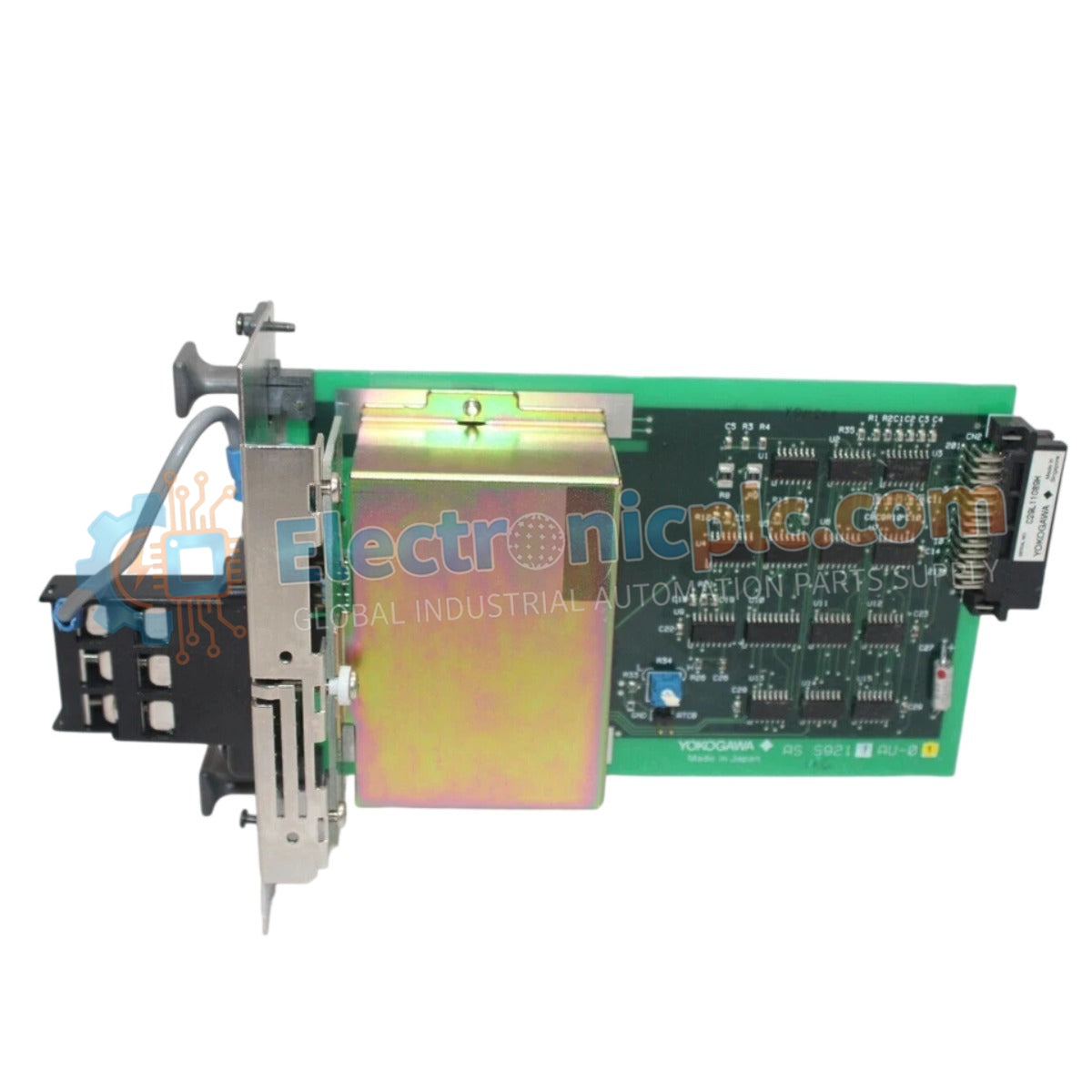
Configured for multi-protocol serial data orchestration within Yokogawa control networks, the YOKOGAWA AIP581 (AIP581 Transceiver RIO I/O Module) provides direct physical signal translation and protocol management between Field Control Units (FCUs) and diverse field-level instrumentation. This hardware component serves as the primary gateway utilized to execute data synchronization across CENTUM VP and CS 3000 distributed control platforms.
| Parameter | Specification |
|---|---|
| Model | AIP581 |
| Brand | Yokogawa |
| Origin | Subject to manufacturing batch |
| Weight | 0.4 kg |
| Dimensions | 23 cm x 13 cm x 5 cm |
| Operating Temp | Standard industrial ambient range |
| Operating Voltage | 110 V / 220 V / 240 V AC |
| Function | Transceiver and protocol gateway |
| Interfaces | Profibus, I/O Link, DeviceNet, Modbus, RS485 |
The AIP581 manages the electrical and logical conversion of multiple industrial protocols, enabling the integration of heterogeneous devices into a unified control architecture. By supporting interfaces such as Profibus, Modbus, and RS485, the module maintains data fidelity between remote field sensors and the central DCS controller. Its robust transceiver design is optimized to minimize communication latency and signal attenuation across distributed network topologies.
Q: Can the AIP581 be configured to support multiple protocols simultaneously?
A: The module's capability to bridge multiple protocols is governed by the system engineering configuration. Ensure the firmware and port settings are assigned in accordance with the specific device communication requirements defined in the CENTUM control system project.
Q: Is the high-voltage operating range (110 V - 240 V AC) internally regulated?
A: The AIP581 includes internal power conditioning to manage the specified input voltage range. Verify that the incoming power supply is within these parameters and free of significant harmonic distortion to ensure optimal transceiver performance.


