
My Cart
0 items
Genuine Automation Parts | Worldwide Express Delivery | 12-Month Warranty — [GET A QUOTE]

Engineered for precision thermal monitoring in industrial control systems, the YOKOGAWA AMM31T (AMM31T RTD Input Multiplexer Module) is a high-reliability component designed to interface multiple Resistance Temperature Detector (RTD) sensors...
Availability: Low stock: 99 left
Reliable Worldwide Delivery
30-Day Money-Back Guarantee
Need more details? Read our fullShipping PolicyandRefund Policy.


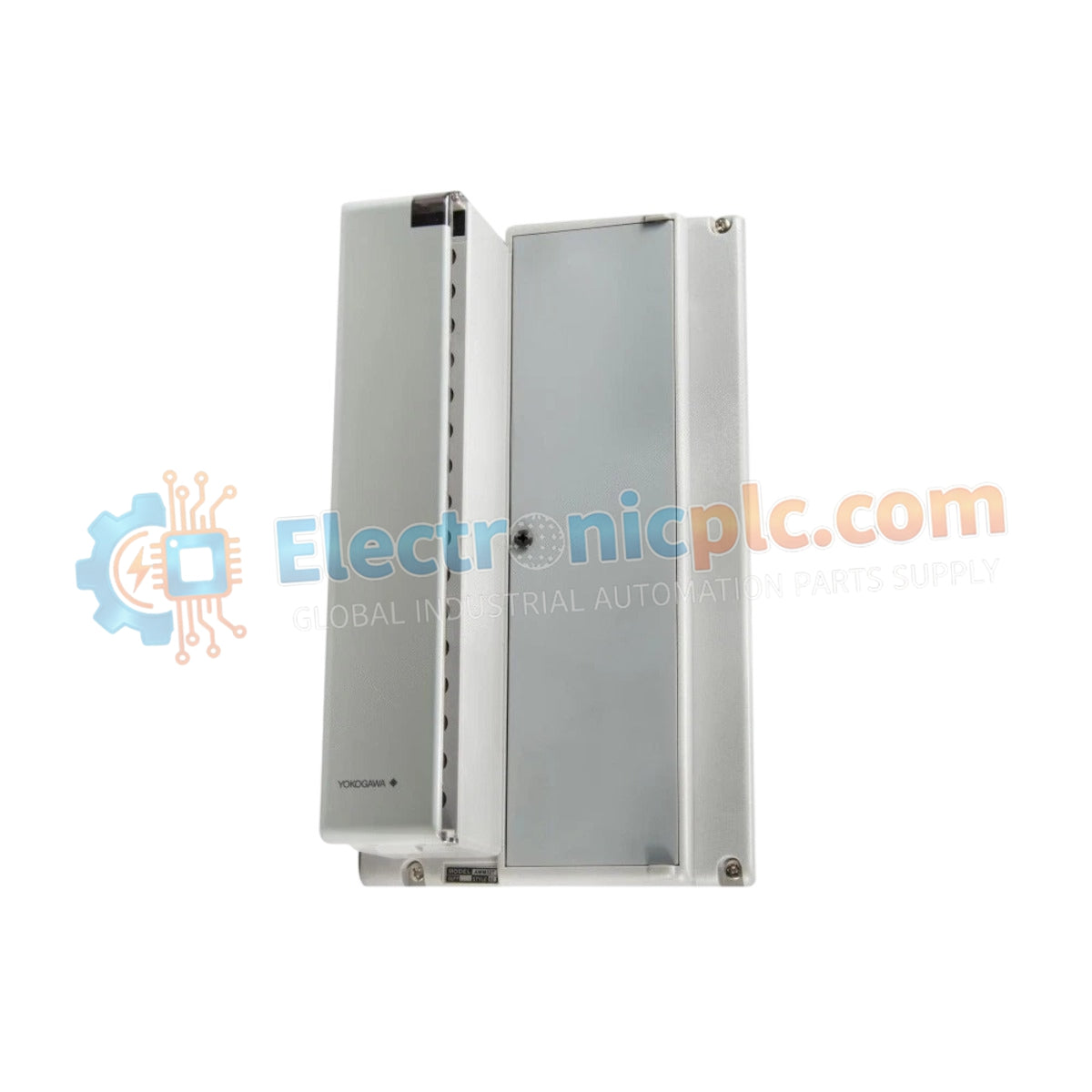
Engineered for precision thermal monitoring in industrial control systems, the YOKOGAWA AMM31T (AMM31T RTD Input Multiplexer Module) is a high-reliability component designed to interface multiple Resistance Temperature Detector (RTD) sensors into a centralized Yokogawa DCS or PLC architecture. This module enables efficient signal acquisition, providing high-resolution temperature data for mission-critical process loops.
| Parameter | Specification |
|---|---|
| Model | AMM31T |
| Brand | YOKOGAWA |
| Origin | Japan |
| Weight | 0.5 kg |
| Dimensions | 150 x 100 x 120 mm |
| Operating Temp | Industrial standard |
| Input Type | RTD (Resistance Temperature Detector) |
| Function | Signal Multiplexing |
The AMM31T is optimized for managing the low-resistance signals generated by RTDs. By utilizing multiplexing technology, the module can sample data from numerous sensors sequentially, digitizing the readings for downstream processing. This design is particularly effective in high-density applications where individual channel wiring for every sensor would be cost-prohibitive or physically impractical. The module provides the necessary excitation current for the RTD elements and utilizes internal bridge circuits to achieve precise temperature conversion.
Q: How does the multiplexer handle potential lead-wire resistance errors?
A: The AMM31T is designed to support 3-wire or 4-wire RTD configurations, which allow the control system to compensate for lead-wire resistance, ensuring that the temperature reading is based solely on the RTD element's resistance.
Q: Is this module compatible with all standard RTD types (Pt100, Pt1000)?
A: Yes. The AMM31T is generally compatible with common industrial RTD standards. Configuration via the engineering workstation allows for the selection of specific RTD curves (e.g., DIN/IEC standards) to ensure accurate linearization across the sensor's range.


