
My Cart
0 items
Genuine Automation Parts | Worldwide Express Delivery | 12-Month Warranty — [GET A QUOTE]

Configured for high-density signal integration in control networks, the Yokogawa AMN31 S1 (AMN31 Nest for Terminal I/O Modules) provides direct physical/electrical execution of modular backplane routing for 31 distinct I/O...
Availability: Low stock: 99 left
Reliable Worldwide Delivery
30-Day Money-Back Guarantee
Need more details? Read our fullShipping PolicyandRefund Policy.

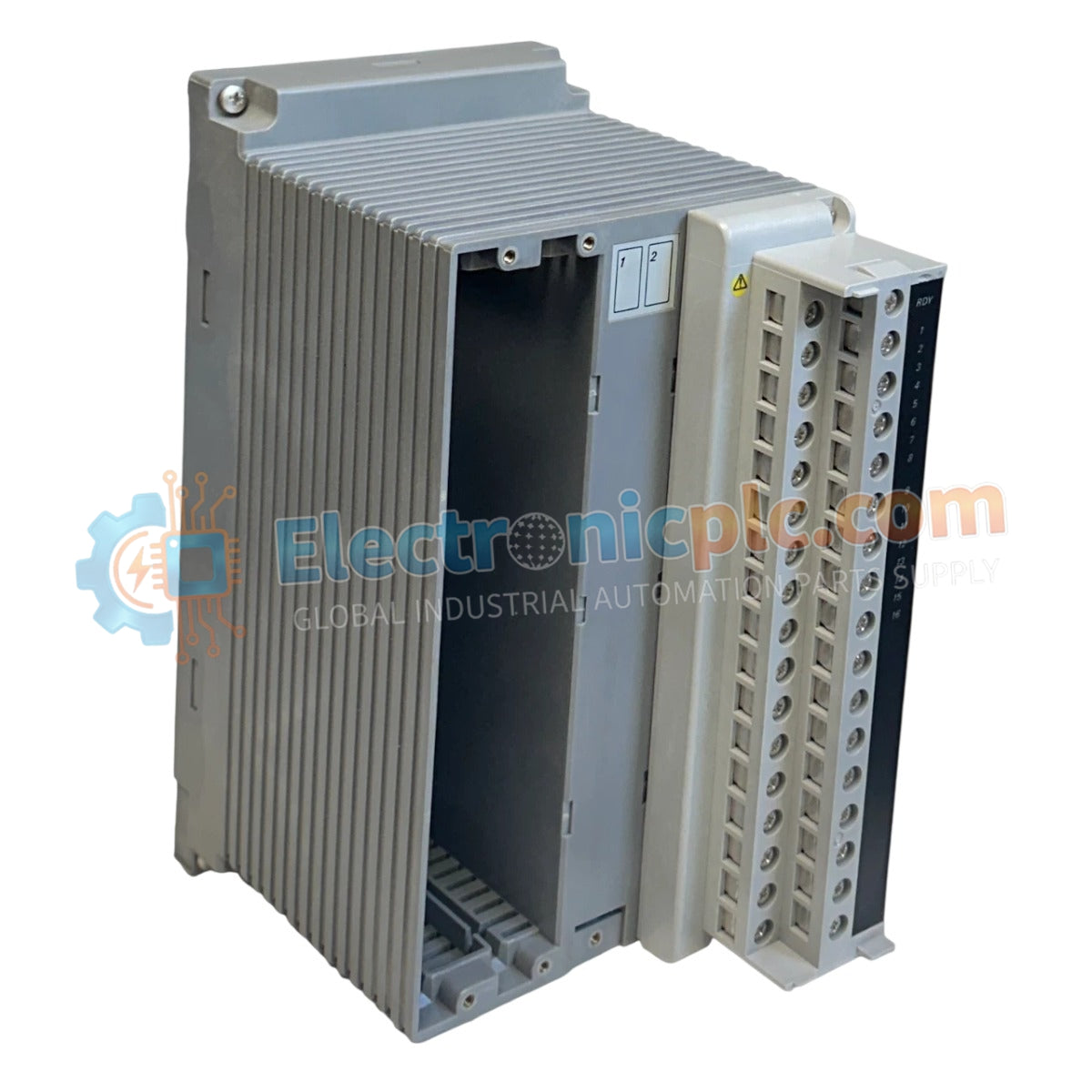
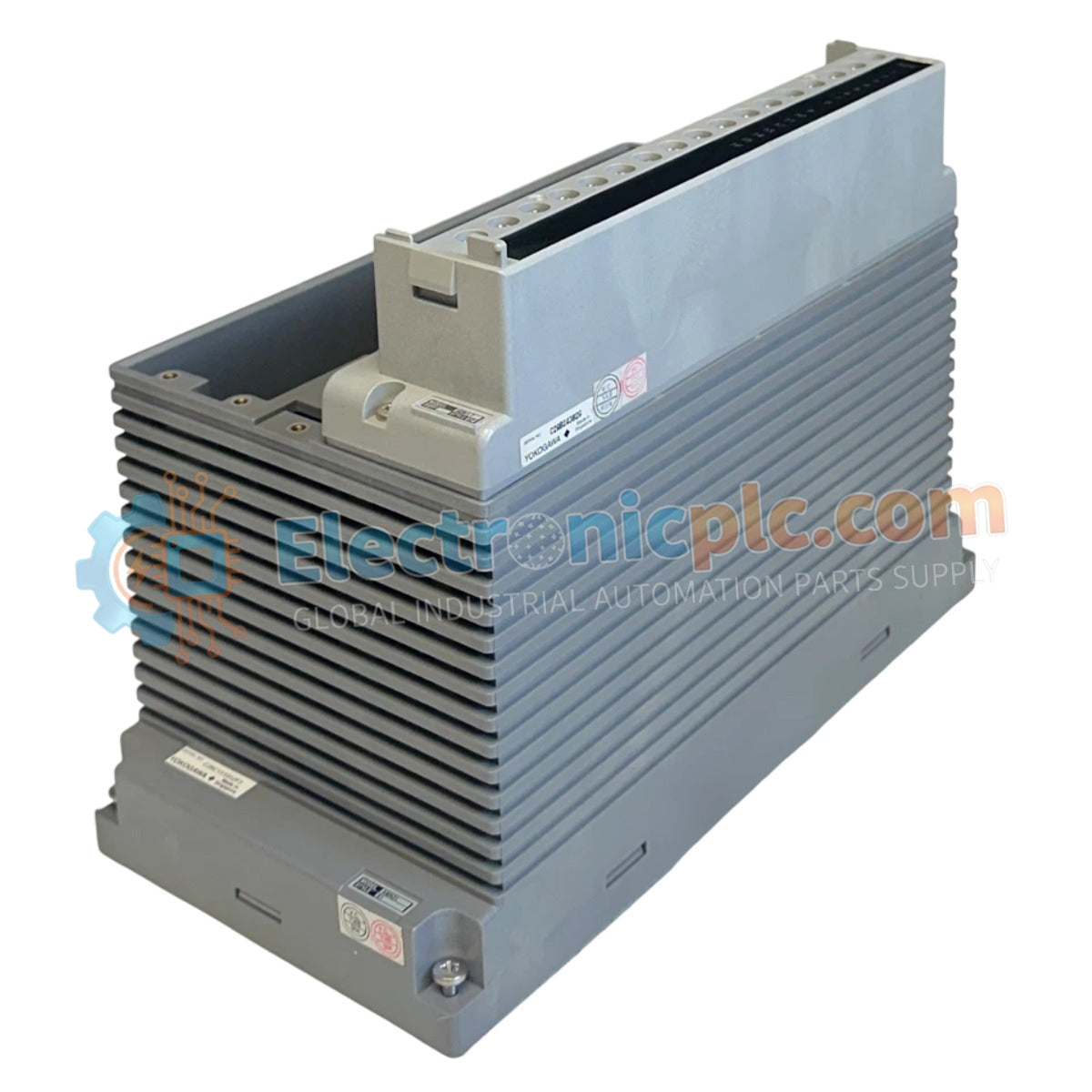
Configured for high-density signal integration in control networks, the Yokogawa AMN31 S1 (AMN31 Nest for Terminal I/O Modules) provides direct physical/electrical execution of modular backplane routing for 31 distinct I/O modules across CENTUM CS 3000 and CENTUM CS platforms.
| Parameter | Specification |
|---|---|
| Model | AMN31 S1 |
| Brand | Yokogawa |
| Origin | Japan |
| Weight | 0.9 kg |
| Dimensions | 12.7 cm x 15.2 cm x 25.4 cm |
| Operating Temp | -20 to 60 deg C |
| Power Consumption | 24 VDC, 100 W |
| Slot Capacity | 31 slots |
| Protection Rating | NEMA 4X, IEC IP66 |
The AMN31 S1 backplane nest serves as the primary interconnect structure for terminal-based I/O configurations. The design incorporates standardized channel-to-channel isolation architecture to prevent common-mode noise propagation between field instrumentation and the controller bus. By maintaining structural rigidity and precise slot indexing, the assembly ensures low-impedance signal paths, facilitating stable 4-20 mA HART loop protocol transmission and protecting the integrity of sensitive process data in harsh industrial environments.
Q: Does the AMN31 S1 support redundant power inputs for the 100 W load capacity?
A: The nest features a primary 24 VDC power interface; for high-availability requirements, redundant power supply modules must be utilized at the cabinet distribution level to maintain the rated load capacity.
Q: Is the IP66 protection rating maintained when the I/O modules are inserted?
A: The NEMA 4X and IEC IP66 ratings are contingent upon the correct installation of all front-panel fastening hardware and the integrity of the environmental seal between the modules and the nest chassis.


