Skip to product information
1 of 3

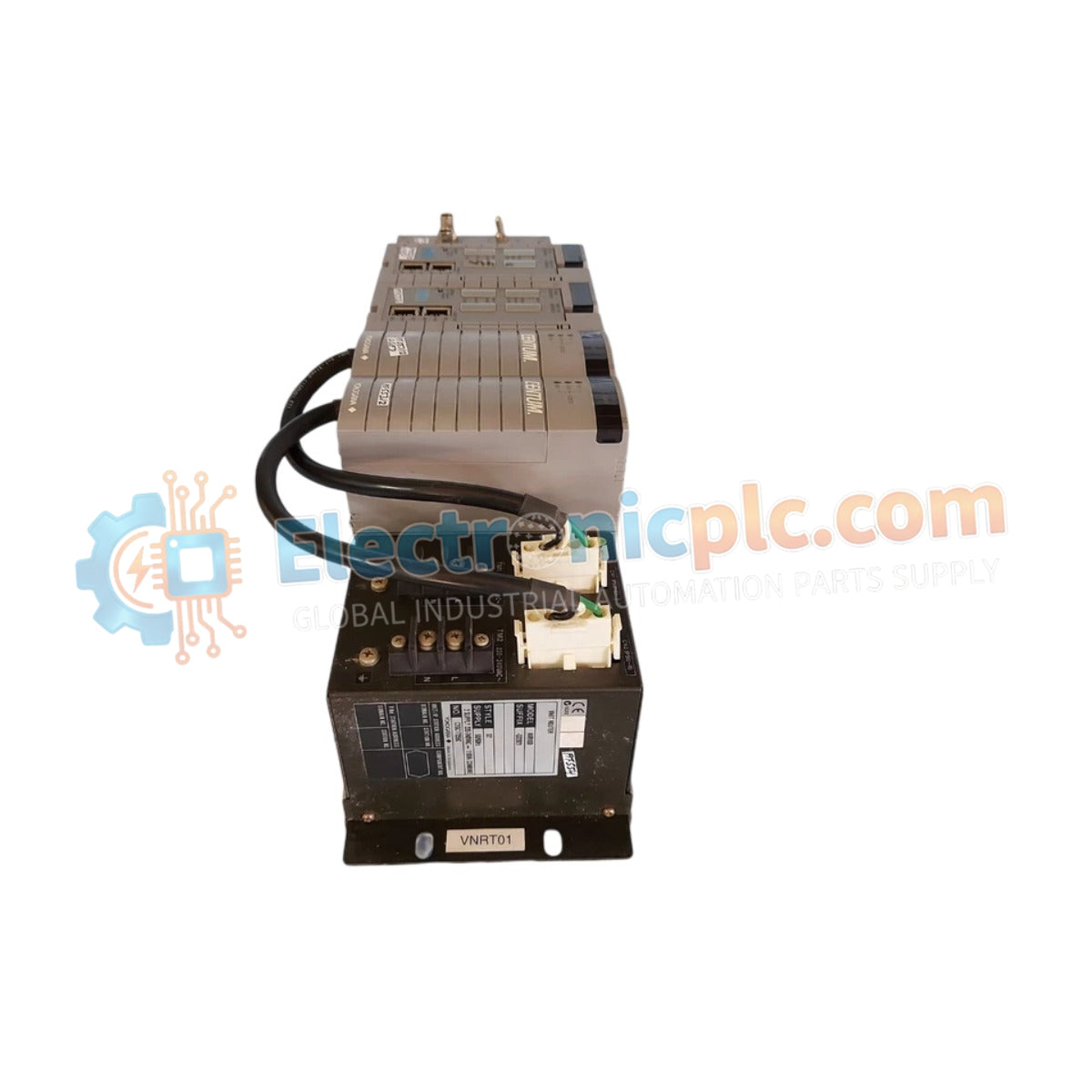
AVR10D-A22040 YOKOGAWA Duplexed V net Router

AVR10D-A22040 YOKOGAWA Duplexed V net Router

Configured for deterministic data routing within V net control networks, the YOKOGAWA AVR10D-A22040 (AVR10D Duplexed V net Router) provides direct physical/electrical execution of inter-subnetwork communication and traffic management across DCS...

22 people are viewing this right now

AvailabilityLow stock: 99 left

SKU: AVR10D-A22040
Vendor: Yokogawa
Related Series:

Shipping & Returns

Reliable Worldwide Delivery

  • Carriers: Shipped via DHL, FedEx, UPS, or USPS.
  • Dispatch: Orders processed in 1-2 business days and dispatched within 3-5 business days.
  • Tracking: Full tracking details provided via email upon shipment.

30-Day Money-Back Guarantee

  • Guarantee: 30-day return window for in-stock, factory-sealed products.
  • Condition: Items must be unopened, unused, and in original packaging.
  • Authenticity: We guarantee 100% original and authentic hardware.

Need more details? Read our fullShipping PolicyandRefund Policy.

Authenticity & Warranty

  • Genuine Guarantee: We supply only 100% original, brand-new, and factory-sealed industrial automation parts.
  • Full Coverage: Every component is backed by a 12-month comprehensive warranty from the date of purchase.
  • Traceability: All products come with original factory documentation and accessories for full industrial compliance.

Technical Support & Sourcing

  • Expert Assistance: Our technical team provides free consultation to help you verify compatibility for DCS and PLC systems.
  • Rare Part Sourcing: Specializing in obsolete and hard-to-find components from Allen-Bradley, Siemens, ABB, HIMA, and more.
  • Bulk Inquiries: Contact us at pambo@5gplc.com for volume pricing or customized project quotes.
View full product details

Configured for deterministic data routing within V net control networks, the YOKOGAWA AVR10D-A22040 (AVR10D Duplexed V net Router) provides direct physical/electrical execution of inter-subnetwork communication and traffic management across DCS platforms.

Suffix Breakdown & Model Matrix

  • AVR10D: Base model designation for the duplexed V net router assembly.
  • A: Denotes the standard hardware revision and chassis format.
  • 22: Specifies the dual-port V net communication interface configuration.
  • 040: Identifies the integrated logic firmware version and port-speed compatibility standard.

Hardware Specifications

Parameter Specification
Model AVR10D-A22040
Brand YOKOGAWA
Origin japan
Weight  3.0 kg
Dimensions Standard 19-inch Rack-Mount
Operating Temp 5 deg C to 40 deg C
Power Consumption Subject to redundancy loading
Interface Duplexed V net (Dual Port)

Process Control and DCS Connectivity

The AVR10D-A22040 maintains high-speed data integrity across distributed control stations by utilizing redundant V net communication channels. The router employs hardware-based channel-to-channel isolation to prevent electrical interference propagation between the V net segments and the local control bus. By managing protocol-specific data packets, the router ensures deterministic latency for real-time process control commands. Cold junction compensation (CJC) is not applicable to this router component; however, internal diagnostic buffers continuously monitor bus signal quality to prevent packet loss during heavy network traffic.

Frequently Asked Questions

Q: Does the AVR10D-A22040 support hot-swapping in a live V net environment?

A: The duplexed configuration allows for the replacement of a single router unit while the system remains operational, provided the standby unit has completed synchronization and the V net segment is stable.

Q: Is external configuration required for the V net addresses?

A: Yes, network addressing and subnetwork routing tables must be configured via the system engineering station to align the router with the existing V net infrastructure.

Field Installation Guidelines

  1. Chassis Mounting: Install the unit in a standard control rack. Ensure the mounting brackets are securely fastened to maintain mechanical stability and proper alignment with the V net backplane interface.
  2. Earthing and Shielding: Connect the chassis ground terminal to the instrument earth bus using a low-impedance copper strap. Ensure that all V net communication cables utilize shielded connectors to minimize common-mode noise.
  3. Redundancy Synchronization: Before enabling the duplexed pair, verify that the firmware versions on both router modules match. Power up the modules sequentially to allow for internal diagnostic self-testing and synchronization.
  4. Wiring Segregation: Route V net cables through dedicated, non-conductive cable trays, maintaining separation from high-voltage lines to prevent electromagnetic interference (EMI) ingress.